
Published:
2003-01-01
Updated:
2023-06-08
Learning Ukulele with Curt
Exploring Improvisation Using Tetrachords
Traditionally, a tetrachord is a series of four tones filling in the interval of a perfect fourth. In modern usage a tetrachord is any four-note segment of a scale or tone row including the augmented fourth (+4). The term tetrachord derives from ancient Greek music theory, it literally means four strings.
Main Category: Improvisation Main Instrument: Improvisation

6 August 2026
Traditionally, a tetrachord is a series of four tones filling in the interval of a perfect fourth. In modern usage a tetrachord is any four-note segment of a scale or tone row including the augmented fourth (+4). The term tetrachord derives from ancient Greek music theory, it literally means four strings.
When delving into improvisation, incorporating the concept of tetrachords as smaller modules of four notes, rather than adhering solely to a traditional scale approach, can make improvisation more approachable and manageable. By focusing on these compact segments, musicians can navigate and experiment within a narrower tonal range, allowing for greater exploration and creative expression in improvisational contexts.
5 lessons in the Exploring Improvisation Using Tetrachords LessonSERIES :
Series Info
Improvisation
Improvisation
553 visits

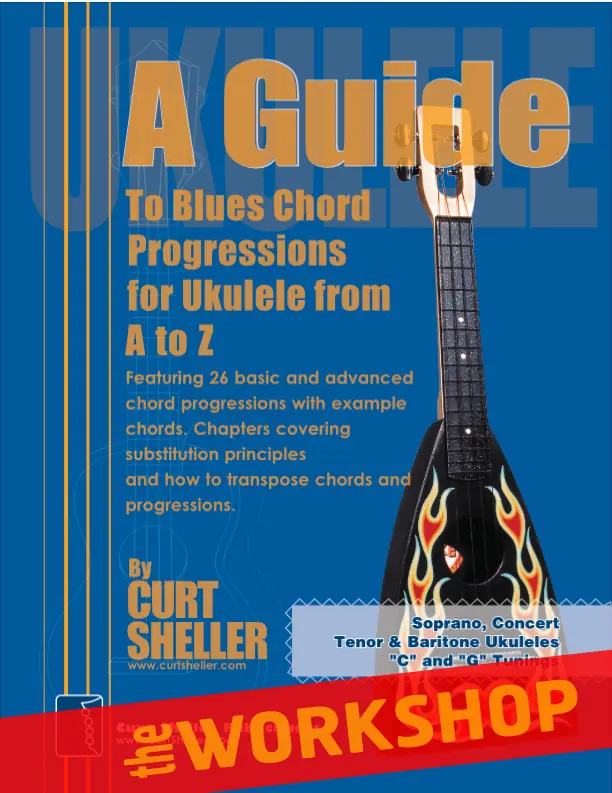
Exploring the Blues on Ukulele
A Guide to Blues Chord Progressions for Ukulele from A to Z explores the “Blues” chord progressions. The Blues are at the heart of all American music. It has influenced Country, Rock, Folk, Jazz, Bluegrass and just about every form of American music we listen to today.