
Published:
2013-05-16
Updated:
2013-05-16
Learning Ukulele with Curt
Call Me
Call Me (a Tony Hatch composition first recorded by Petula Clark) was the first single released from his 1966 A&M album, The More I See You. The title single from the album, sung in a soft, very high tenor range and played on primarily adult-formatted radio stations, confused some disc jockeys, who were unfamiliar with Montez's past work.
Author(s): Publisher: Code: UL550
Main Category: Accessories Main Instrument: Any

2026-08-19
RelatedSongAssets
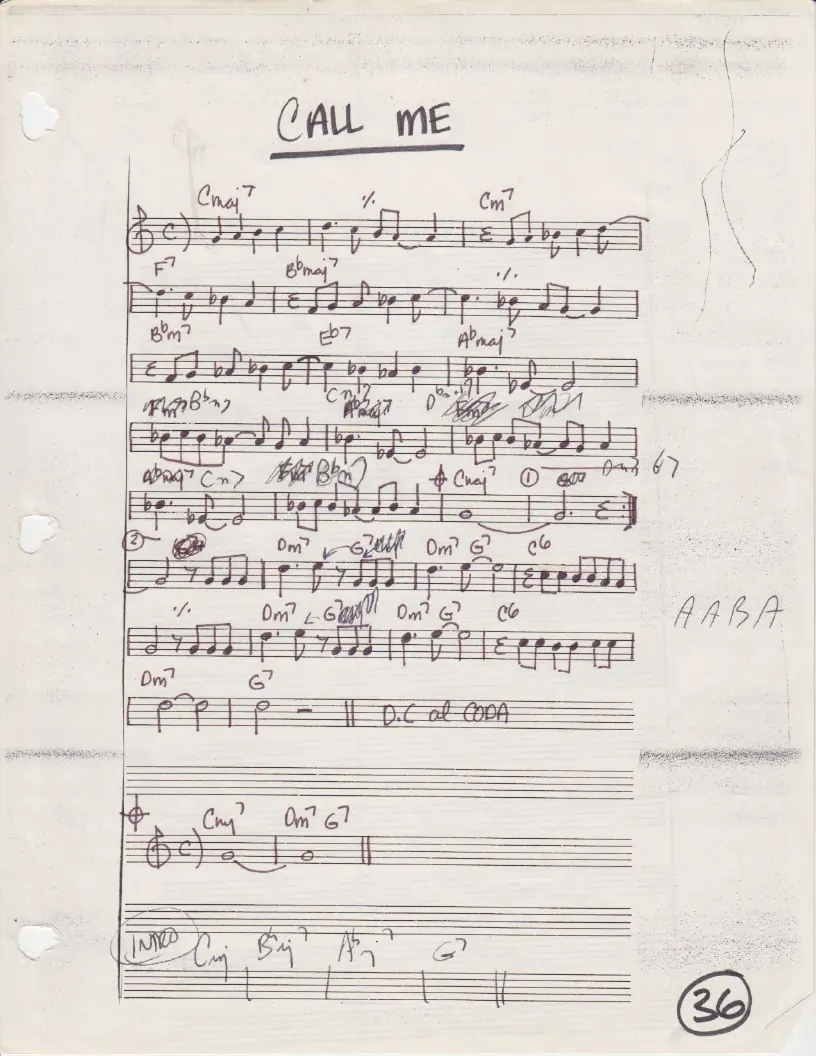
If you're a registered site member and have the correct permissions you can view ALL the pages of this PDF or Samples pages at a larger size using the LearningUkulele.com Online PDF Viewer.
This Download is NOT part of your LearningUkulele.com & Learning Ukulele with Curt membership level.
Sign-up for Premium Site Access or Upgrade Your Plan to download this PDF or your can purchase a copy for download
Sign In for Access…Contact Us if there are any issues.
Call Me (a Tony Hatch composition first recorded by Petula Clark) was the first single released from his 1966 A&M album, The More I See You. The title single from the album, sung in a soft, very high tenor range and played on primarily adult-formatted radio stations, confused some disc jockeys, who were unfamiliar with Montez's past work.
Montez grew up in Hawthorne, California, influenced by the Latino-flavored music of his community and the success of Ritchie Valens.

Call Me is in the The Daily Ukulele Leap Year — 366 Songs for Better Living book.
Strum a different song every day with easy arrangements of 366 of your favorite songs in one big songbook! The Daily Ukulele features ukulele arrangements with melody, lyrics and uke chord grids and are in ukulele-friendly keys that are particularly suited for groups of one to one hundred to play and sing.
In 1962, he recorded the single "Let's Dance" on Monogram Records (written and produced by Jim Lee). It went to No.4 on the Billboard Hot 100 chart in the U.S. and to No.2 on the UK Singles Chart (spending four weeks there). The follow-up, "Some Kinda Fun", was a lesser hit in the U.S., but reached No.10 in the U.K. in January 1963. Nonetheless, both records sold over one million copies, and were awarded gold discs.
Call Me
Premium Play-along Tracks are only available to Premium
members and Active/Private Students.
Here is a Demo of Desafinado to get an idea of the quality of these custom play-along tracks.
Play-along Demo: Desafinado
Desafinado — Premium Play-along Track with Guitar Melody Played
I, (Curt) originally created these tracks to perform over for gigs and this was a demo for booking gigs.
These Premium Play-along Tracks are available to LearningUkulele.com & Learning Ukulele with Curt. Site Members and are my personal one-of-kind tracks I (Curt) and Chuck Anderson recorded and arranged last century.
1966 Comeback
Montez returned to the recording studio in 1965, this time at A&M Records. Montez was searching for the same rock and roll formula that would replicate the success of "Let's Dance". During a recording session, A&M co-founder Herb Alpert (who co-produced Montez's first A&M album) suggested that Montez try a different approach: a middle of the road, soft sound. Though reluctant at first, Montez agreed to go along with his mentor's suggestion.
Call Me (a Tony Hatch composition first recorded by Petula Clark) was the first single released from his 1966 A&M album, *The More I See You*. The title single from the album, sung in a soft, very high tenor range and played on primarily adult-formatted radio stations, confused some disc jockeys, who were unfamiliar with Montez's past work. The song became enormously popular and has been used many times in movies, notably*Frantic*, starring Harrison Ford. When announcing the song, the DJs would often refer to Montez as a female. But by the time the album was released, Montez's pictures on the front and back of the jacket cleared up any mystery surrounding his sex, as explained in the album's notes on the back of the record jacket.
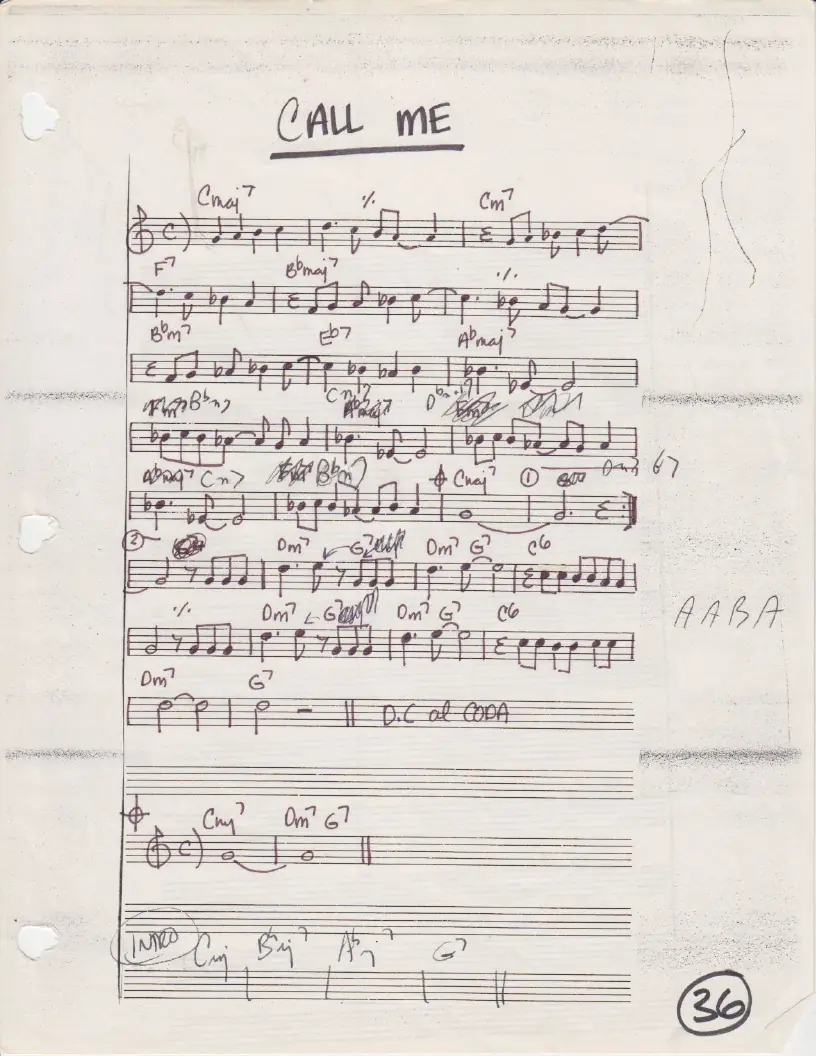
Call Me
Call Me (a Tony Hatch composition first recorded by Petula Clark) was the first single released from his 1966 A&M album, The More I See You. The title single from the album, sung in a soft, very high tenor range and played on primarily adult-formatted radio stations, confused some disc jockeys, who were unfamiliar with Montez's past work.