Learning Ukulele with Curt
All 42 Songs
Most musicians' goals are to perform or write music, songs. With well over 100 songs on LearningUkulele.com & Learning Ukulele with Curt to choose from, that is bound to be some here for you. Apply all your new-found ukulele skills, chops, and music knowledge to songs. This is why we do all the other hard stuff — to make the songs easier and make some music.
29 August 2026
Showing 1–20 of 42 results
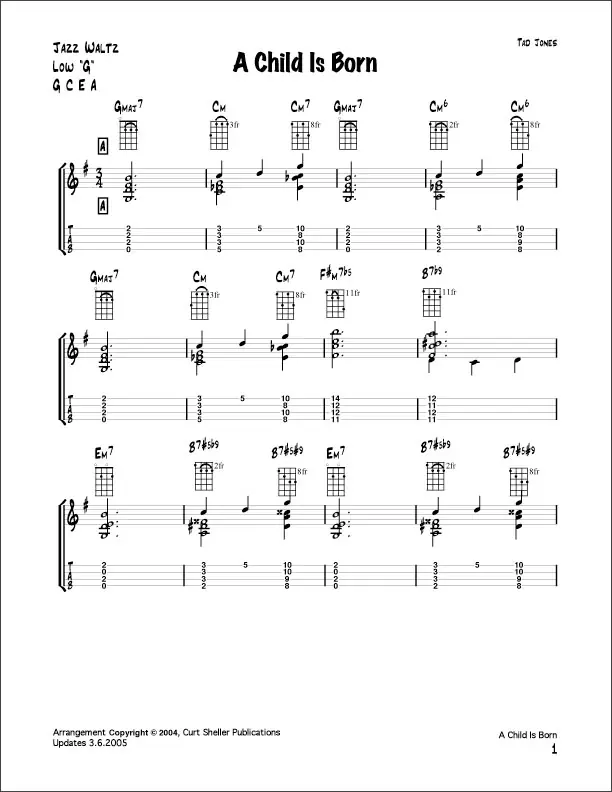
A Child is Born
A Child Is Born is a jazz ballad. It was written in 1969 by the jazz trumpeter Thad Jones and Alec Wilder and has since become a jazz standard. An arrangement of this "Jazz" standard for ukulele in "C" tuning G C E A, with a low "G". suitable for performance on standard high "G" C tuning.

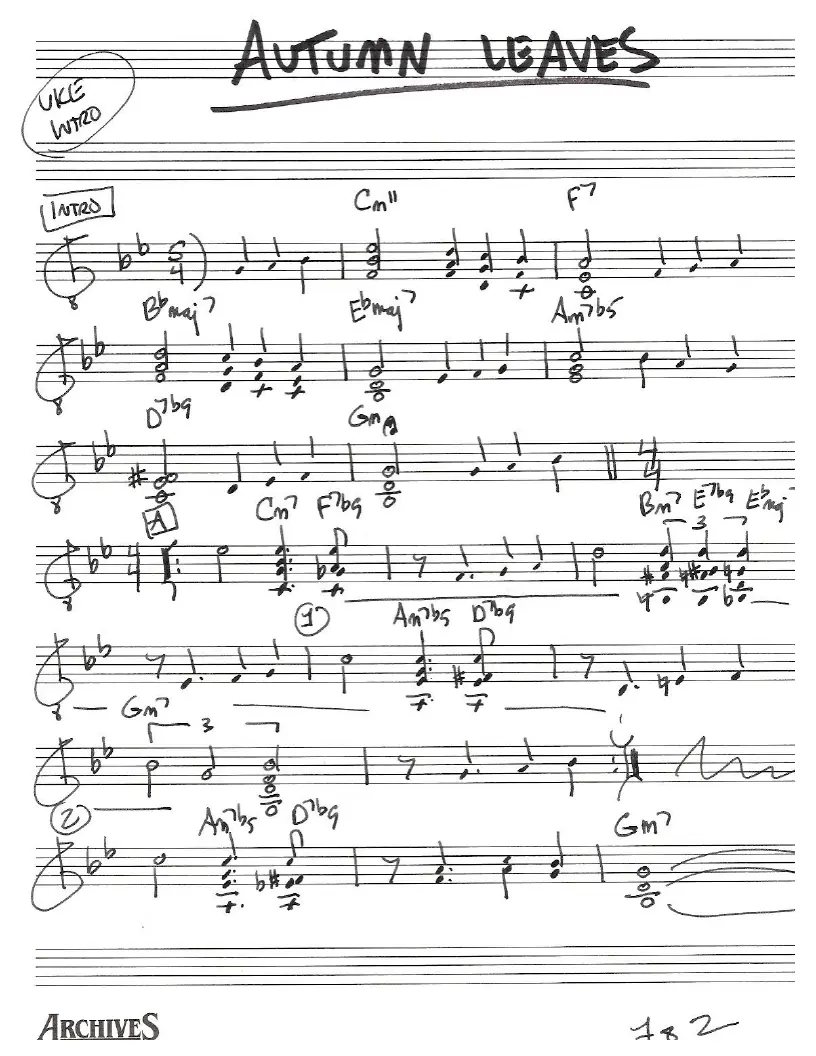
Autumn Leaves
Autumn Leaves is a much-recorded popular song. Originally it was a 1945 French song "Les Feuilles mortes" (literally "The Dead Leaves") with music by Joseph Kosma and lyrics by poet Jacques Prevert. Yves Montand (with Irene Joachim) introduced "Les feuilles mortes" in 1946 in the film Les Portes de la Nuit. The American songwriter Johnny Mercer wrote English lyrics in 1947 and Jo Stafford was among the first to perform this version.
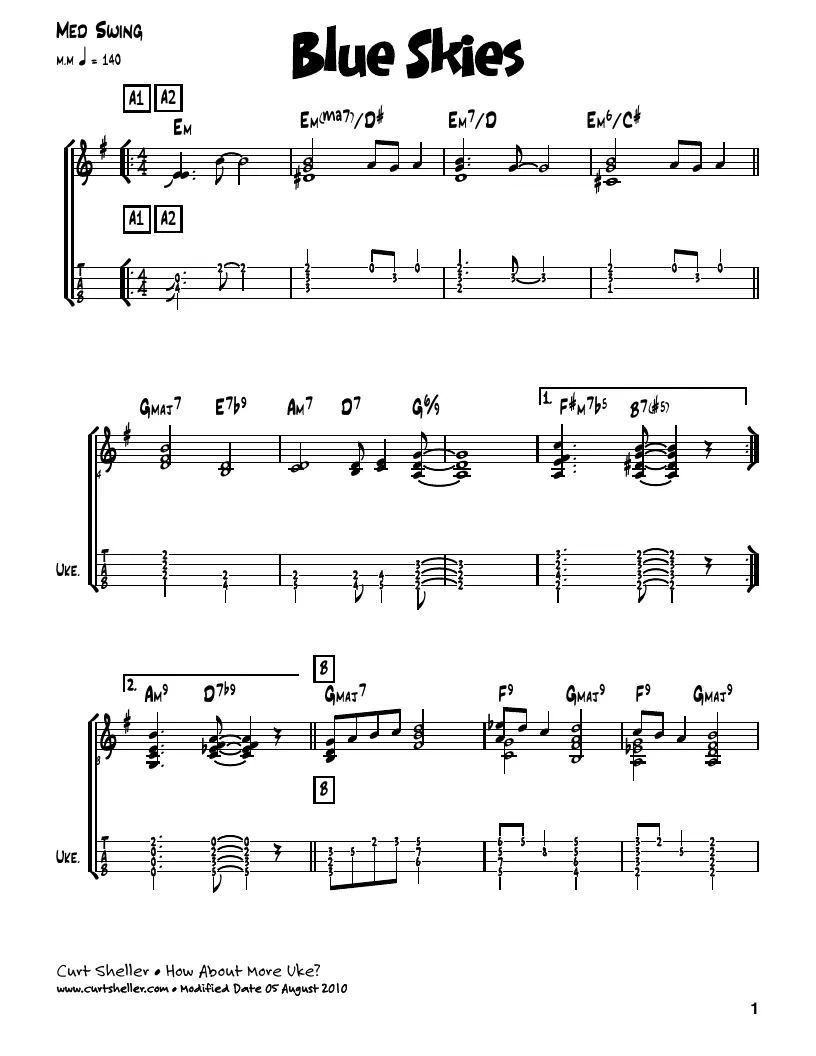
Blue Skies
Blue Skies is a popular song, written by Irving Berlin in 1926. The song was composed in 1926 as a last minute addition to the Rodgers and Hart musical, Betsy. Although the show only ran for 39 performances, "Blue Skies" was an instant success, with audiences on opening night demanding 24 encores of the piece from star, Belle Baker. During the final repetition, Ms. Baker forgot her lyrics, prompting Berlin to sing them from his seat in the front row.
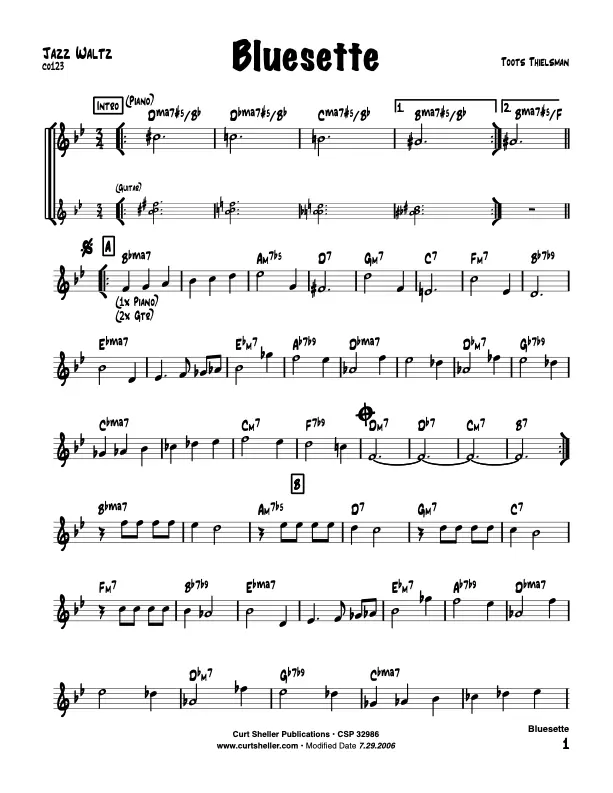
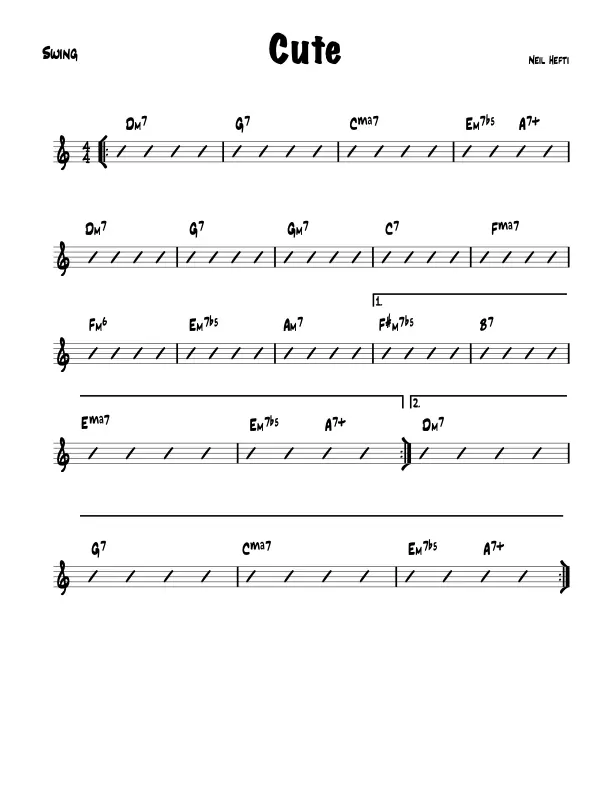
Cute
Written by Neal Hefti (October 29, 1922 – October 11, 2008) was an American jazz trumpeter, composer, tune writer, and arranger. He was perhaps best known for composing the theme music for the Batman television series of the 1960s, and for scoring the 1968 film The Odd Couple and the subsequent TV series of the same name.
Days Of Wine And Roses
Days of Wine and Roses is a popular song, from the 1962 movie of the same name. The music was written by Henry Mancini with lyrics by Johnny Mercer. They received the Academy Award for Best Original Song for their work. In 2004 it finished at #39 in AFI's 100 Years...100 Songs survey of top tunes in American cinema.
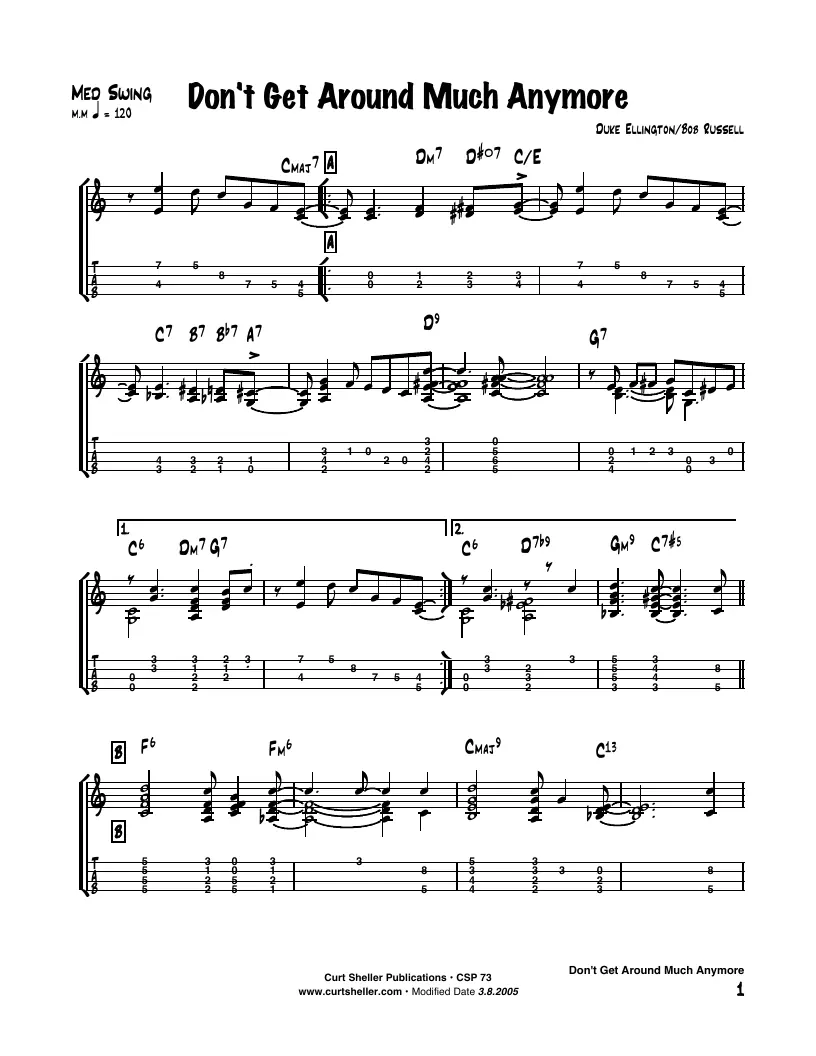
Don't Get Around Much Anymore
Don't Get Around Much Anymore is a jazz standard with music by Duke Ellington and lyrics by Bob Russell. The tune was originally titled "Never No Lament" and was first recorded by Ellington in 1940 as a big band instrumental. Russell's lyrics and the new title were added in 1942.
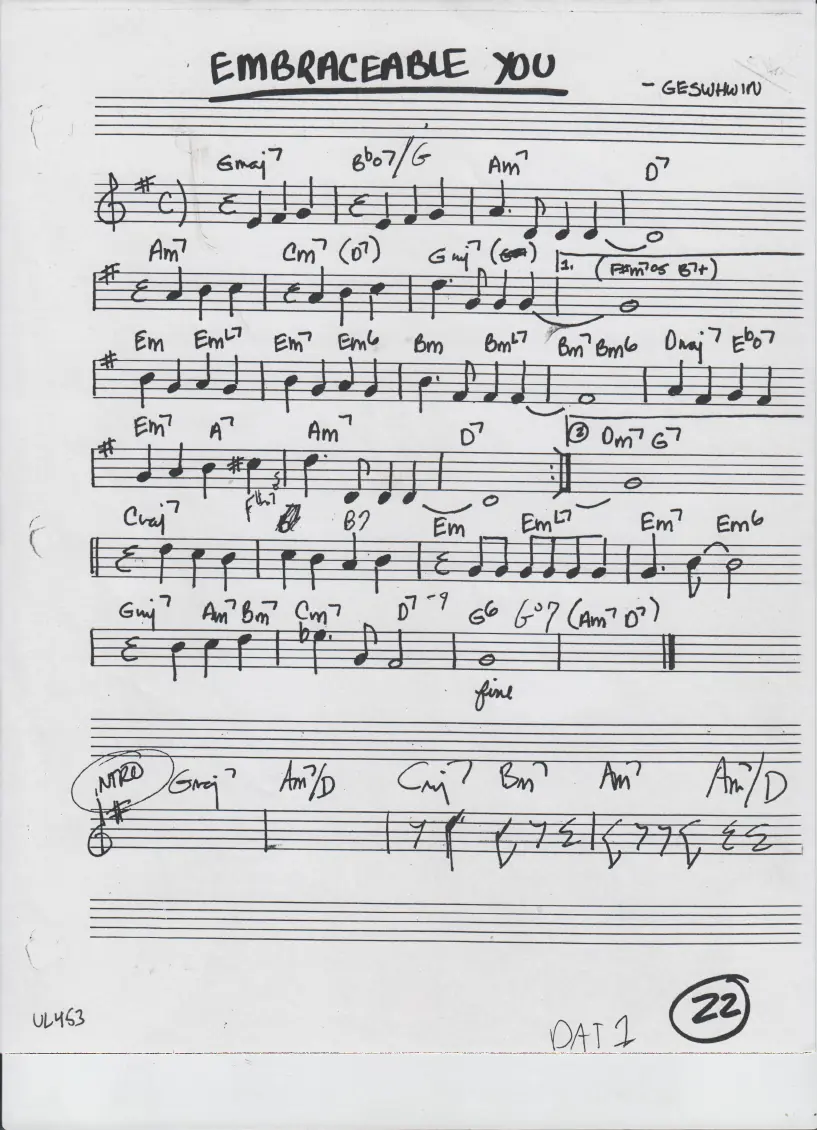
Embraceable You
Embraceable You is a popular jazz song, with music by George Gershwin and lyrics by Ira Gershwin. The song was originally written in 1928 for an unpublished operetta named East Is West. It was eventually published in 1930 and included in the Broadway musical Girl Crazy where it was performed by Ginger Rogers in a song and dance routine choreographed by Fred Astaire. Billie Holiday's 1944 recording was inducted into the Grammy Hall of Fame in 2005.
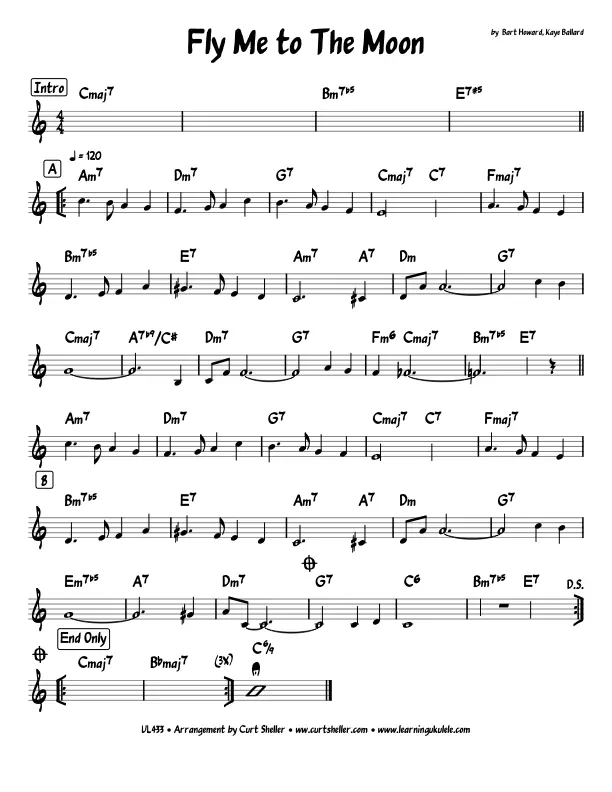
Fly Me to the Moon
Fly Me to the Moon is a popular standard song written by Bart Howard in 1954. It was titled originally “In Other Words”, and was introduced by Felicia Sanders in cabarets. The song became known popularly as “Fly Me to the Moon” from its first line, and after a few years the publishers changed the title to that officially.
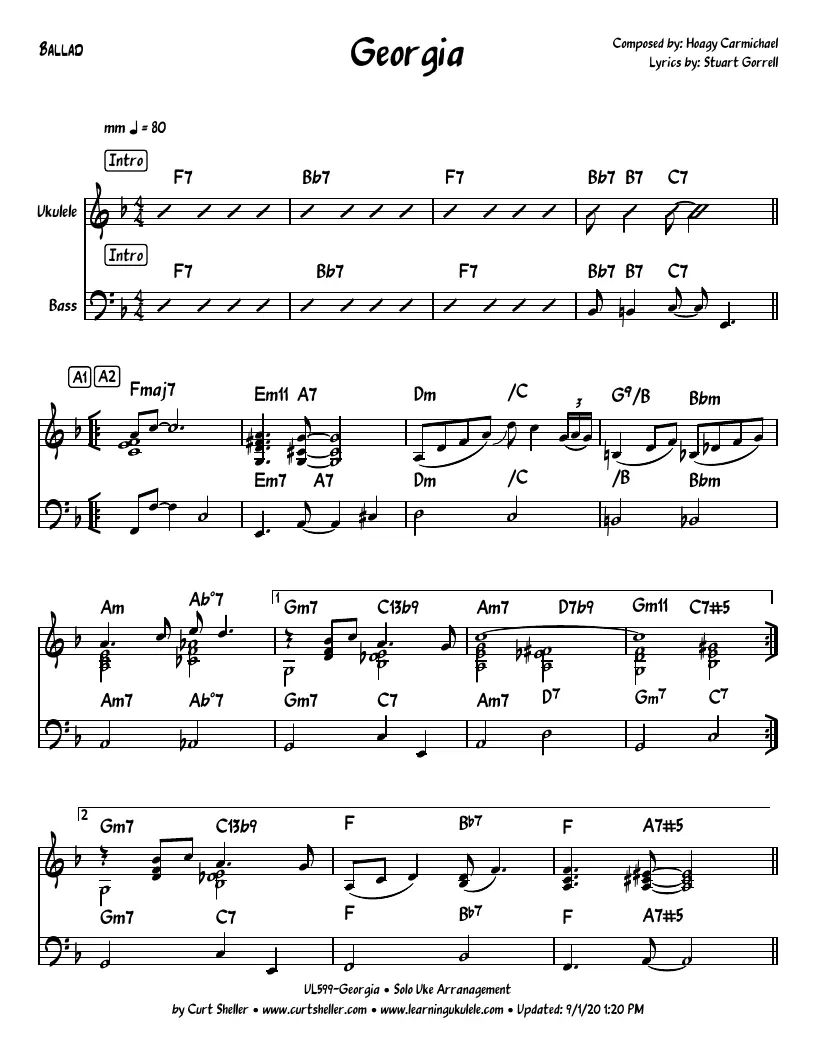
Georgia
Georgia on My Mind is a 1930 song written by Hoagy Carmichael and Stuart Gorrell and first recorded that year. It has often been associated with Ray Charles, a native of the U.S. state of Georgia, who recorded it for his 1960 album The Genius Hits the Road. In 1979, the State of Georgia designated Ray Charles's version the official state song.

Have You Meet Miss Jones
Have You Met Miss Jones? is a popular song that was written for the musical comedy, I'd Rather Be Right. The music was written by Richard Rodgers and the lyrics by Lorenz Hart. The song was published in 1937. The song's bridge, featuring key motion by major thirds, may have served as an inspiration to John Coltrane in the development of "Coltrane changes".