
Learning Ukulele with Curt
All 138 Songs
Most musicians' goals are to perform or write music, songs. With well over 100 songs on LearningUkulele.com & Learning Ukulele with Curt to choose from, that is bound to be some here for you. Apply all your new-found ukulele skills, chops, and music knowledge to songs. This is why we do all the other hard stuff — to make the songs easier and make some music.
29 August 2026
Showing 101–120 of 138 results
Somewhere Over the Rainbow
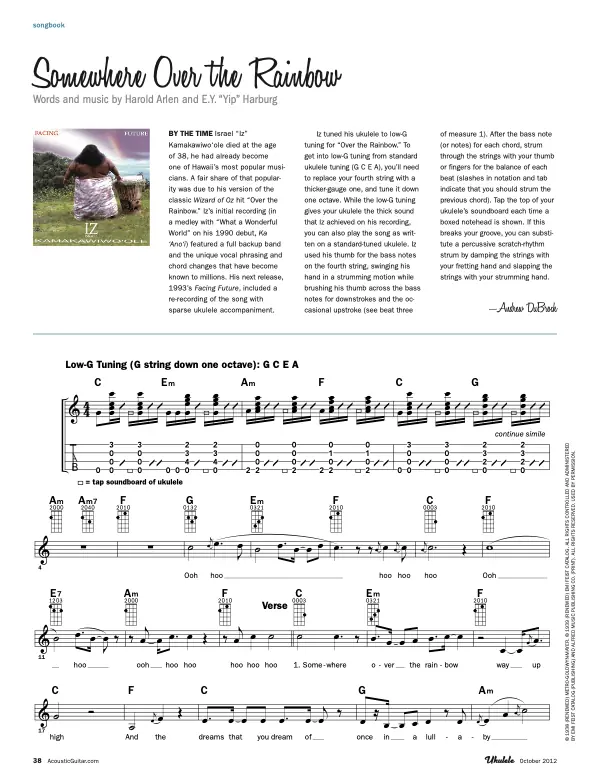
Over the Rainbow (often referred to as "Somewhere Over the Rainbow") is a classic ballad song with music by Harold Arlen and lyrics by E.Y. Harburg. It was written for the movie The Wizard of Oz, and was sung by Judy Garland in that movie. (This is a re-print from the Ukulele magazine)
Spain
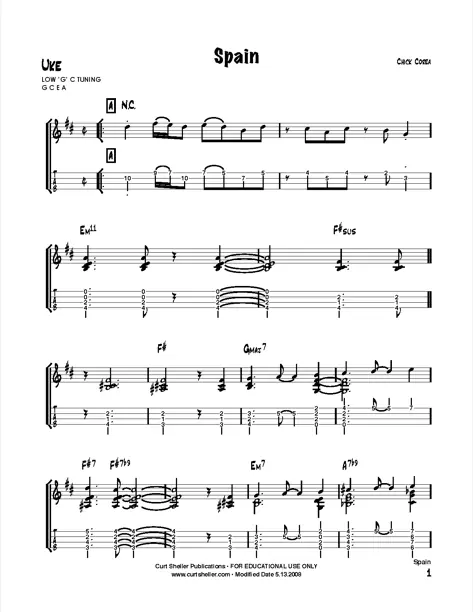
Spain is an instrumental jazz fusion composition by jazz pianist and composer Chick Corea. It is probably Corea's most prominent piece, and some would consider it a modern jazz standard. Spain was composed in 1971 and appeared in its original (and most well-known) rendition on the album Light as a Feather, with performances by Corea (Rhodes electric piano), Airto Moreira (drums), Flora Purim (vocals and percussion), Stanley Clarke (bass), and Joe Farrell (flute). It has been recorded in several versions, by Corea himself as well as by other artists.

Spanish Eyes
The earliest vocal version was recorded by Freddy Quinn in 1965 titled as Spanish Eyes; soon after its release, the single was pulled from the market when Polydor (Quinn's label) and Decca (Kaempfert's label) threatened to sue, claiming ownership of the song. A version by Sergio Franchi with lyrics by Charles Singleton was recorded in late 1965 titled "Moon Over Naples", but did not chart. It would become a hit single in 1966 for Al Martino when a new set of lyrics were written by composer Eddie Snyder, now titled "Spanish Eyes".
St. James Infirmary Blues
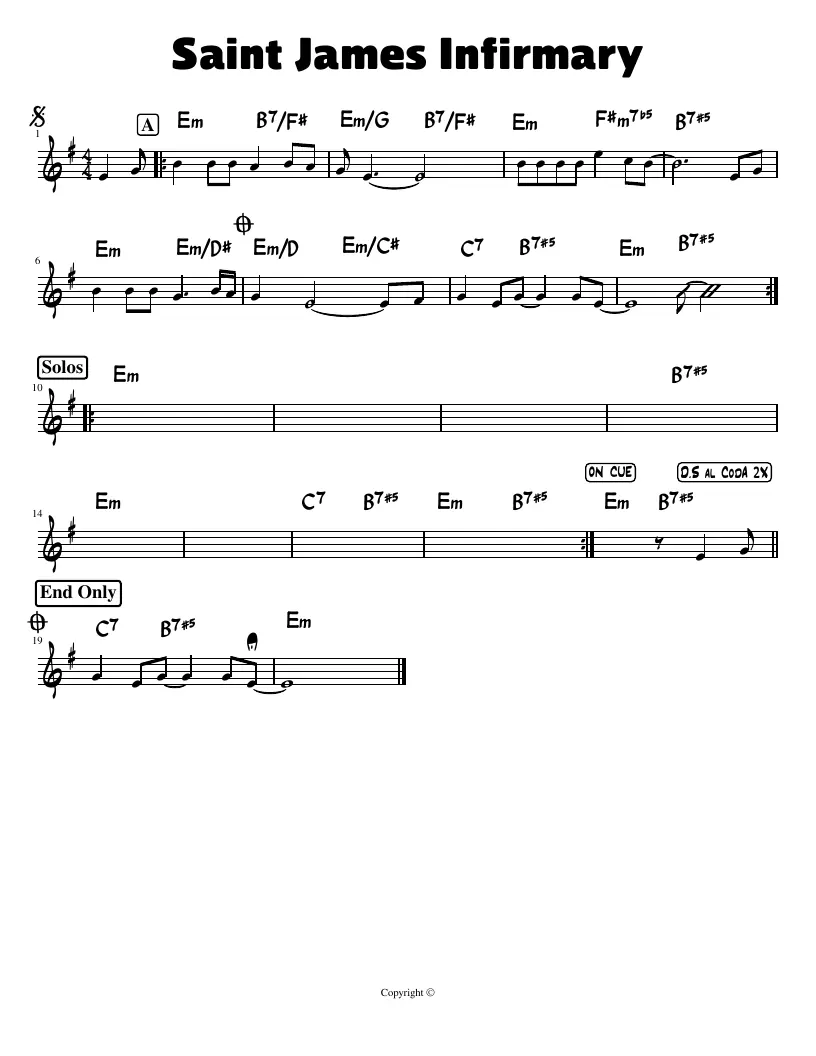
"St. James Infirmary Blues" is an American blues song of uncertain origin. Louis Armstrong made the song famous in his 1928 recording on which Don Redman was credited as composer; later releases gave the name Joe Primrose, a pseudonym of Irving Mills. The melody is 8 bars long, unlike songs in the classic blues genre, where there are 12 bars. It is in a minor key, and has a 4/4 time signature, but has also been played in 3/4.
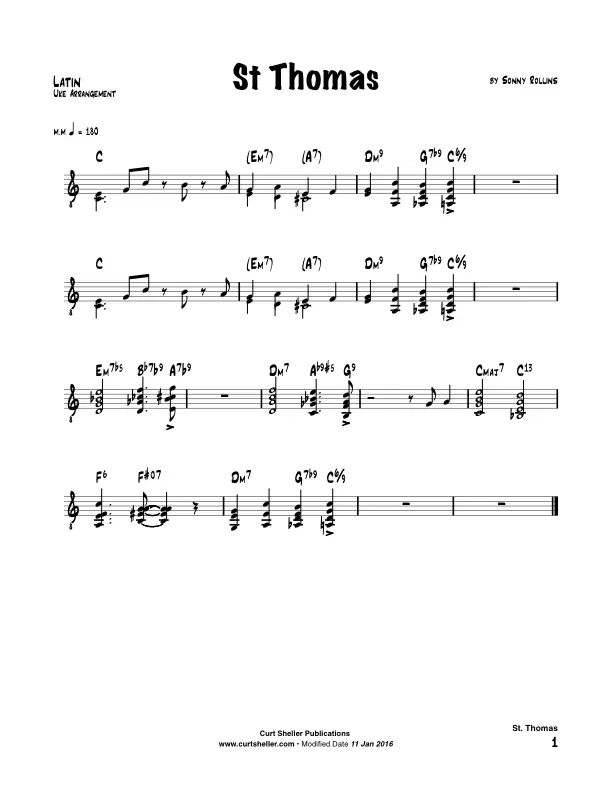
St. Thomas
St. Thomas - This is perhaps the most recognizable instrumental in the repertoire of American jazz tenor saxophonist Sonny Rollins, who is usually credited as its composer. However, it is actually based on a traditional nursery song from the Virgin Islands, which Rollins' mother sang to him when he was a child. As such, it has a distinct Caribbean vibe to it.
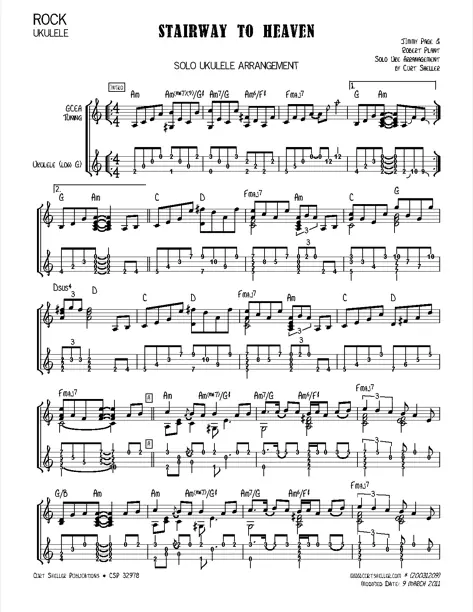
Stairway to Heaven
Stairway to Heaven is a song by the English rock band Led Zeppelin, released in late 1971. It was composed by guitarist Jimmy Page and vocalist Robert Plant for the band's untitled fourth studio album (usually referred to as Led Zeppelin IV). The song, running eight minutes and two seconds, is composed of several sections, which increase in tempo and volume as the song progresses. The song begins as a slow acoustic-based folk song accompanied by pan flutes (recorder per Jimmy Page), before electric instrumentation is introduced.
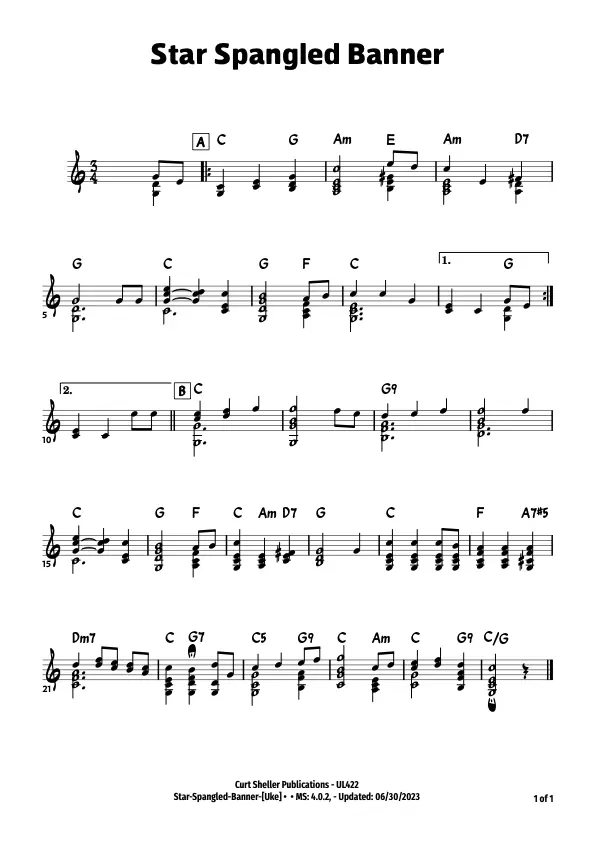
Star Spangled Banner
The Star-Spangled Banner is the national anthem of the United States of America. The lyrics come from a poem written in 1814 by Francis Scott Key, a then 35-year-old amateur poet who wrote Defence of Fort McHenry after seeing the bombardment of Fort McHenry at Baltimore, Maryland, by Royal Navy ships in Chesapeake Bay during the War of 1812.
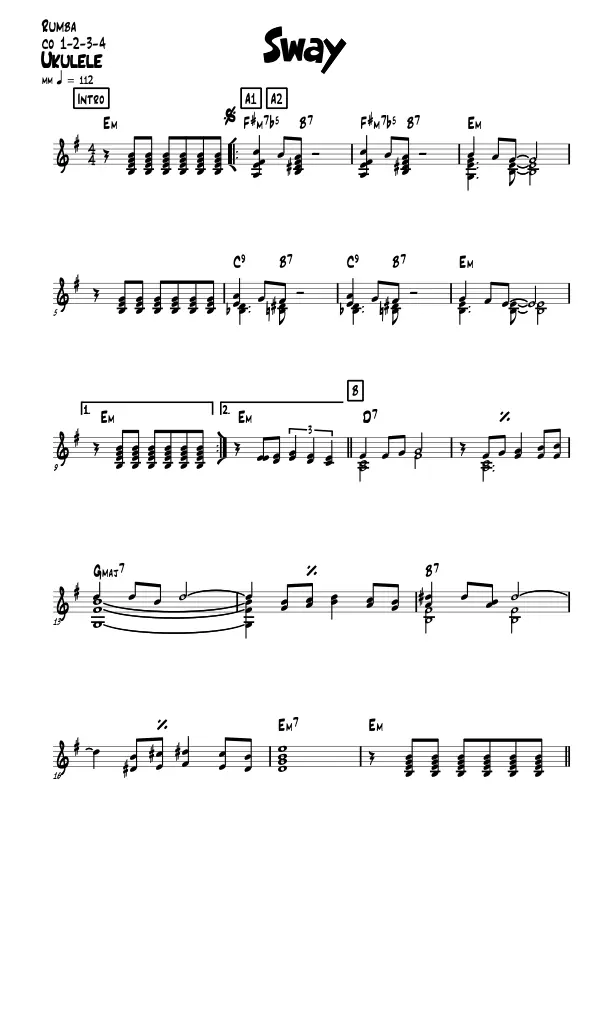
Sway
Sway is the English version of "¿Quién será?", a 1953 mambo song by Mexican composer and bandleader Pablo Beltrán Ruiz. In 1954 the English lyrics were written by Norman Gimbel and recorded by Dean Martin. The Dean Martin recording reached number fifteen on the Billboard magazine best-seller chart and number six on the UK chart.
Take Five
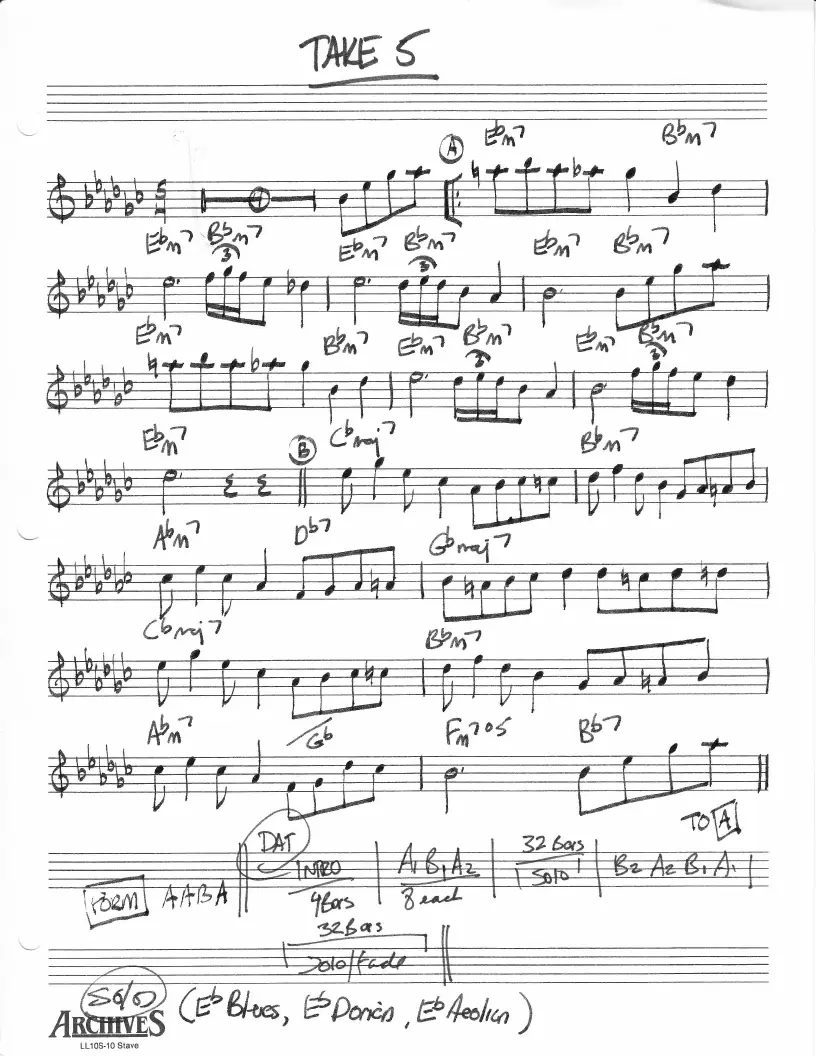
Take Five is a jazz piece written by Paul Desmond and performed by The Dave Brubeck Quartet on their 1959 album Time Out. Recorded at Columbia's 30th Street Studios in New York City on June 25, July 1, and August 18, 1959, this piece became one of the group's best-known records. It is famous for its distinctive catchy saxophone melody; imaginative, jolting drum solo; and use of the unusual quintuple (5/4) time, from which its name is derived.
The Lion Sleeps Tonight
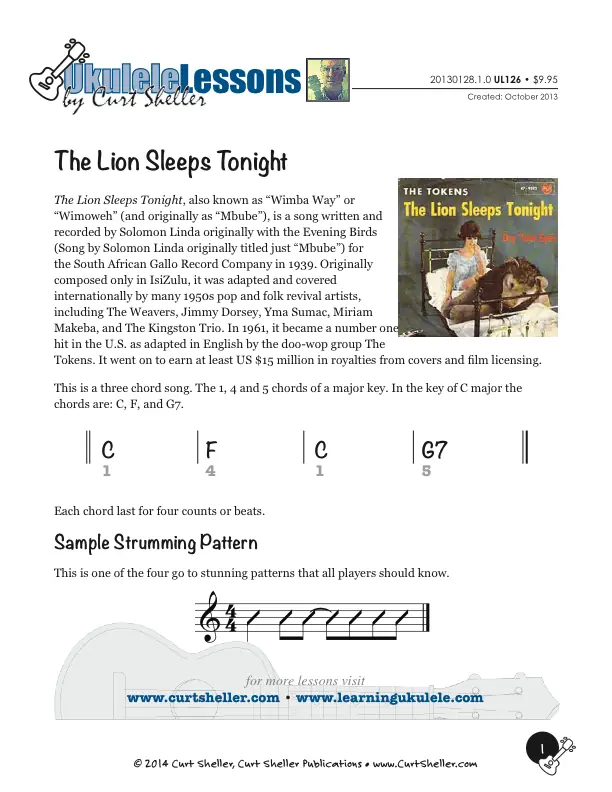
The Lion Sleeps Tonight, also known as "Wimoweh", "Wimba Way" or "Awimbawe", is a song written and recorded originally by Solomon Linda with the Evening Birds for the South African Gallo Record Company in 1939, under the title "Mbube". Composed in Zulu, it was adapted and covered internationally by many 1950s pop and folk revival artists, including Pete Seeger, the Weavers, Jimmy Dorsey, Yma Sumac, Miriam Makeba and the Kingston Trio.