
Learning Ukulele with Curt
Tune-Up! Tuning Your Ukulele
With so many electronic tuners available and at affordable prices. There is no reason to be playing out of tune. Always remember you are training you ear and need to feed it accurate information.

14 June 2026
Yes! Tune Your Ukulele
Yep! — You actually have to tune the uke. Remember you are always training your ear and want to ensure that your are sending and receiving quality musical information.
What Tuning?
ANY tuning is possible on a ukulele as long as the ukulele's construction supports the required string tension and a
There are three common tunings in popular use today, C, D and G tuning — with C tuning being the most popular.
Re-entrant Ukulele Tuning?
If coming from the guitar world where the strings, tuned low to high, is often called a linear tuning. An instrument like the ukulele with a higher pitched string four is called a re-entrant tuning where the lowest note of the instrument might not be the lowest string. This can seem a little strange at first. The re-entrant tuning, places all the notes of a chord within one octave, is part of the unique ukulele sound. This tuning is especially common for the smaller soprano and concert ukuleles.
Different tunings and sized ukuleles is one of the aspects of the ukulele that gives it its charm. Or, it's a plot by builders and manufacture to have you buy more ukuleles.
Common tunings on ukulele
Reference Note: A in C Tuning
for tuning by ear
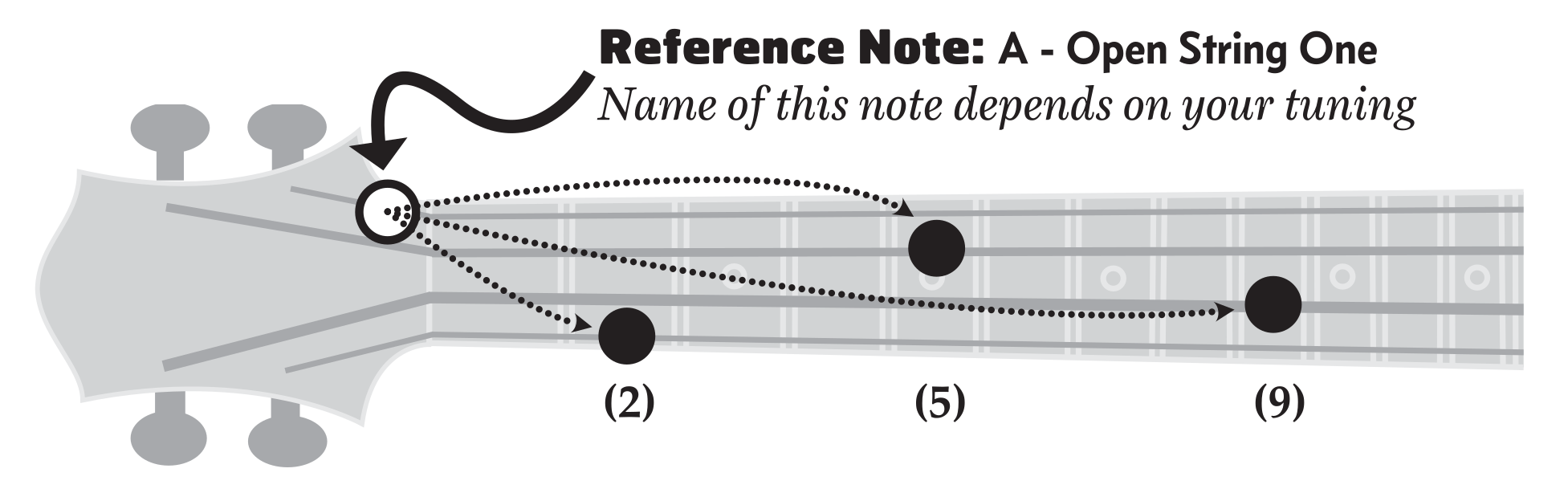
Tuning Reference Note Open String One A - C Tuning
For C Tuning ( g C E A ) the above fretted notes are ALL the exact same pitch (A 440 Hz ) when using the re-entrant, "high G" tuning. And when using a low G string, the A (220 Hz) on the string four is one octave lower than the others A notes on string three, two, and one.
To tune the ukulele relative to itself, compare the fretted notes on string four ( closest to your nose ) fret(2), string three (fret 9), and string two (fret 5) to the open string one. Tune up or down to the match this open string one's note. I listen for the notes to sound as one note.
Way before there where electronic tuners and you had to tune by ear, It was always a struggle for me (Curt) and getting my guitar in tune until a family friend and musician showed me this cool trick to help you get in tune, Virginia Schawacker , a folk guitarist, showed me when I was around 11 or 12 was to play the A on string two at fret (5), and if string one is in tune, which should be the same A as well, it will vibrate
Virginia Schawacker founded Shaw Strings in 1989 and provides you with a string quartet, trio, duo, solo harp, violin or flute, double quartet, or any combination of these players for your wedding, cocktail hour, or special event.

Virginia Schawacker
No Excuse For Being Out of Tune
In this electronic age where you can ask, "Who doesn't make a clip on tuner?". Simply get an electronic tuner or download an app to your smart phone and get in tune.
Web Sites for Tuning Up
Software and iPhone/iPad apps
Here are a few of the software tuners I've used. - The Peterson iStroboSoft is the software tuner I currently use on my iPhone.
- iStroboSoft - by Peterson Tuners – ( Ed. The most accurate tuners on the market. I use Peterson tuners for all my repair work and live. )
- Cleartune – Chromatic Tuner
- GuitarToolkit – Agile Partners
- PolyTune – TC Electronic
– or – just buy an electronic tuner and get in-tune quickly and accurate.
It is a also good to actually learn to tune by ear. If your ever stranded on a desert island and are without your tuner or have it with you and the battery dies. You need to learn how to tune the ukulele to itself!!!
Recommended Tuners
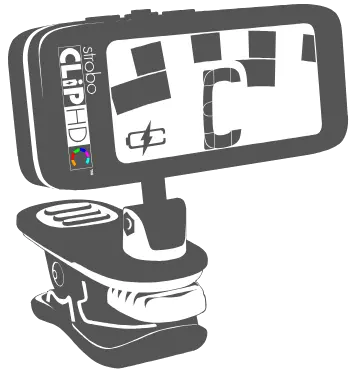
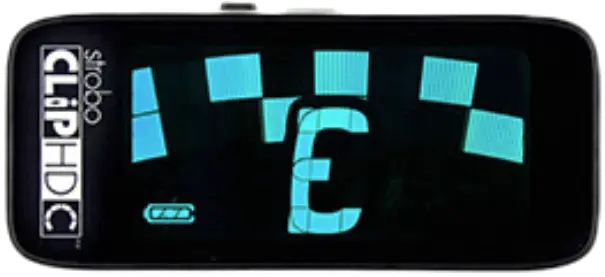
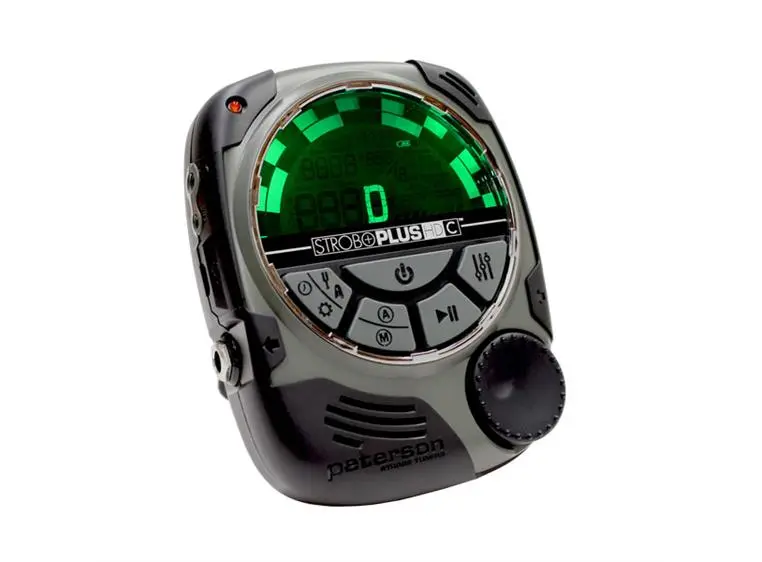
The Peterson StrobeClip HD, D'Adarrio NS Micro Headstock Tuner are my favorite tuners. I the D'Adarrio NS Micro Headstock Tuner on all my performance ukuleles. The new Peterson StroboClip HD is for all other ukes and if I really what super precision when tuning. I really have grown to like strobe tuners.
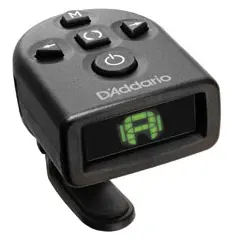
The Micro Headstock Tuners are the go to tuner that I use on ALL my ukuleles for a quick tuning check. — Curt
For more detailed and precise tuning I use the Peterson Strobe Tuners. — Curt
(from Peterson Tuners) If you are new to strobe tuners, you will notice that they are much more sensitive and accurate than your previous tuner. It's OK if the strobe image doesn't completely stop. It may shift slightly due to the 'real-time' speed of a strobe tuner. If you play a stringed instrument, it helps to use your finger or thumb to gently pluck the string instead of a plectrum.