Learning Ukulele with Curt
All 970 Lessons
With over 900+ lessons on LearningUkulele.com & Learning Ukulele with Curt, it can be a bit of an overwhelming task to navigate and find what you're looking for. The LessonSERIES section is a good place to start, as it presents a structured approach and curated list of lessons on a specific area of study.

29 August 2026
Showing 481–500 of 970 results
Guitar (applies to `Ukulele also) Fingering and Creativity
This is a guest lesson/article by internationally renowned jazz guitarist and educator Chuck Anderson. Normally, we think of fingering as a technical subject. Using a good and efficient fingering makes sense. It should make anything that you play easier and more dependable.

Guitar `Ukuleles (Guitarele, Guilele)
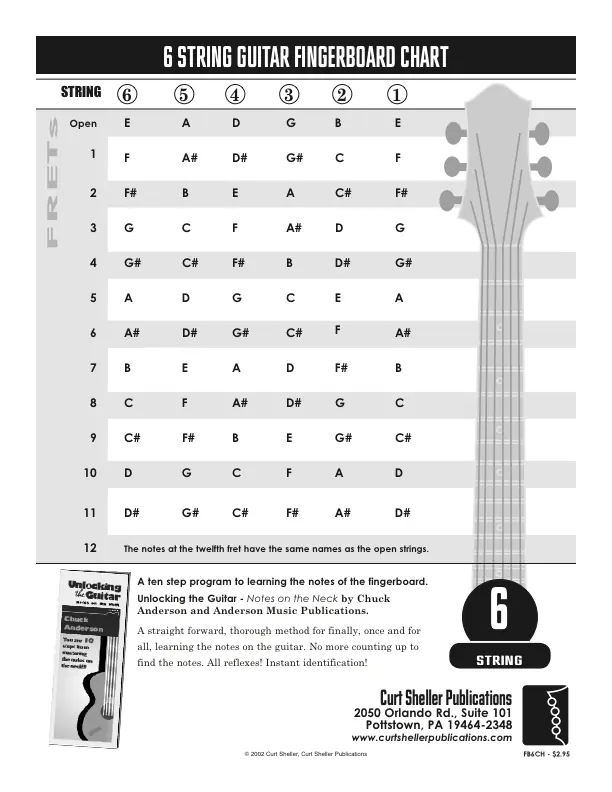
The "Guitarele, guilele" is a tenor body sized ukulele with additional stow strings, five and size. Tuned A D G C E A. This is the same tuning as the top four strings of C tuning with a low G with an added A and D.. Also the same tuning as a standard tuned guitar an a capo at the fifth fret (A D G C E A).
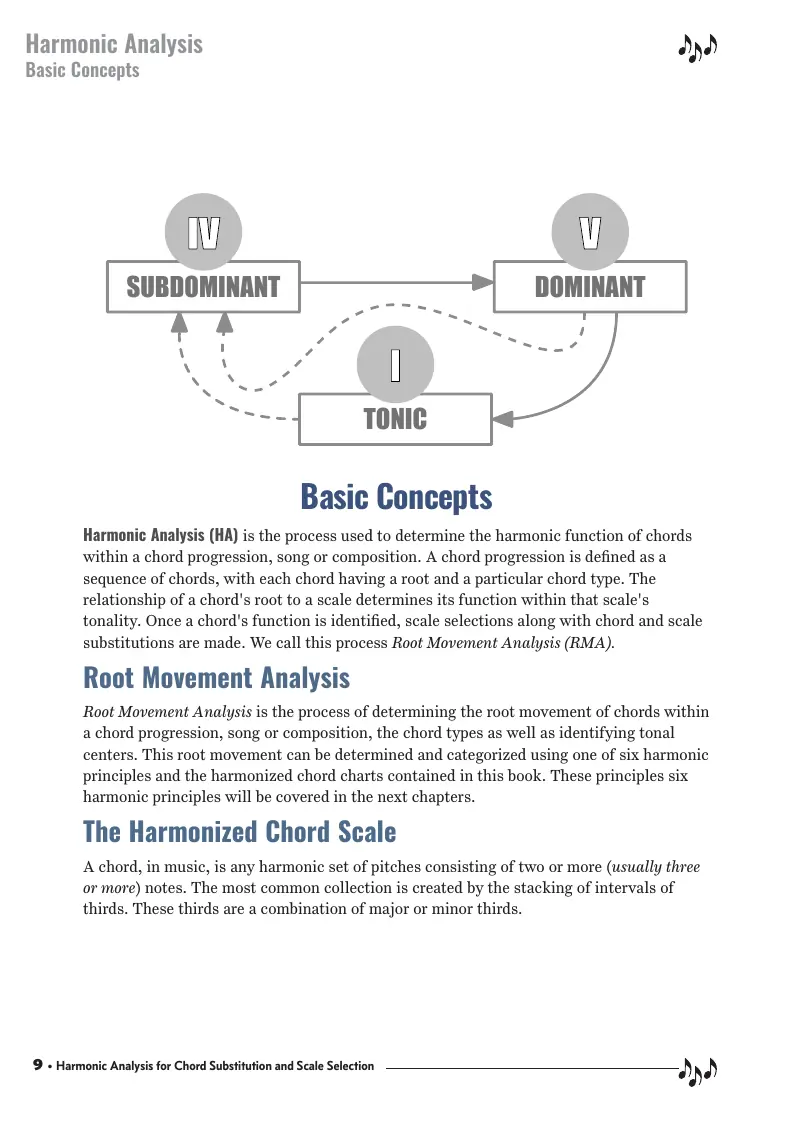
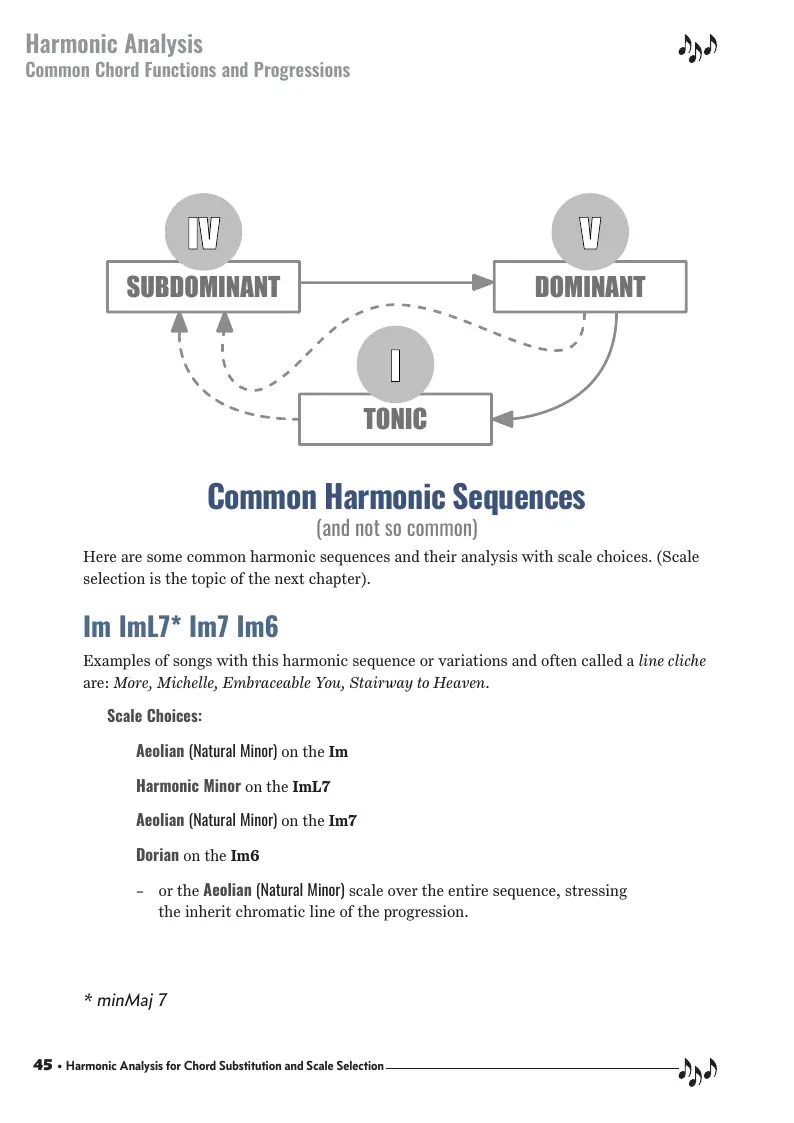
Harmonic Analysis - Basic Concepts
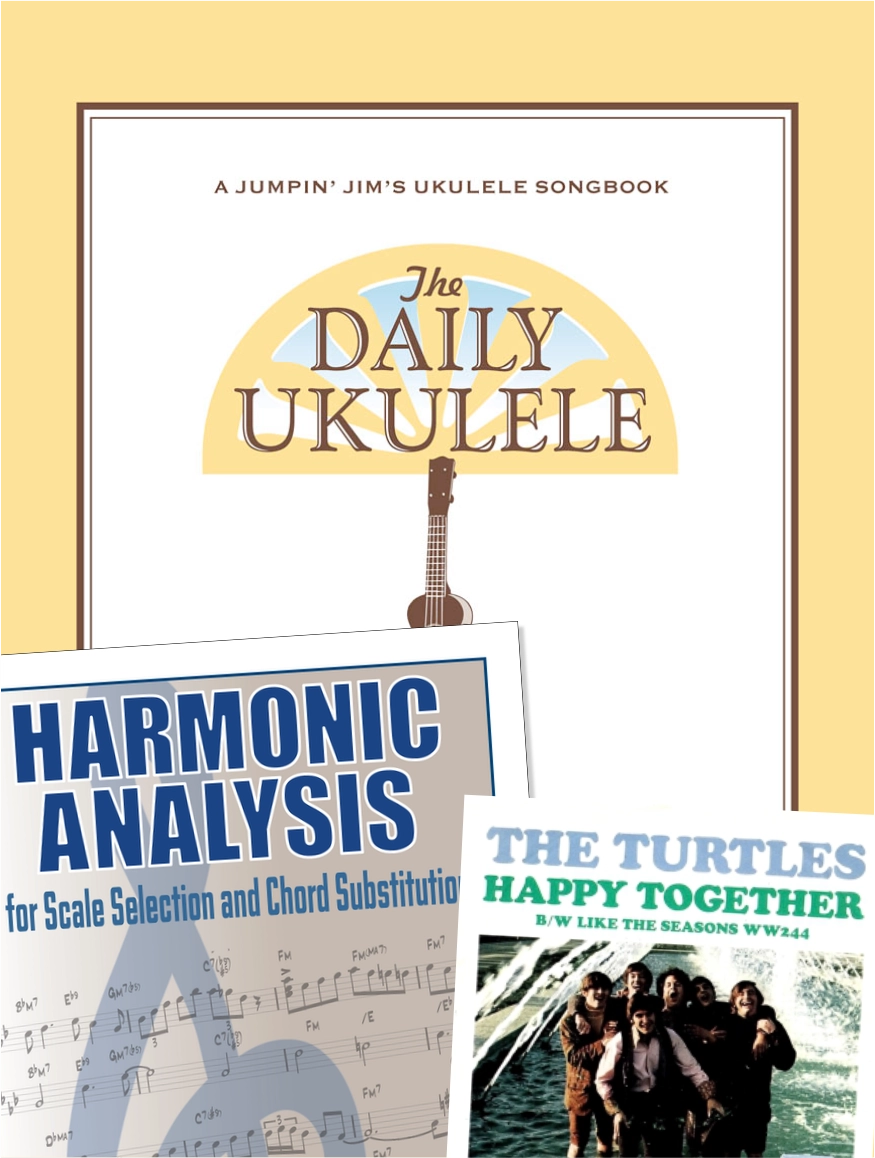
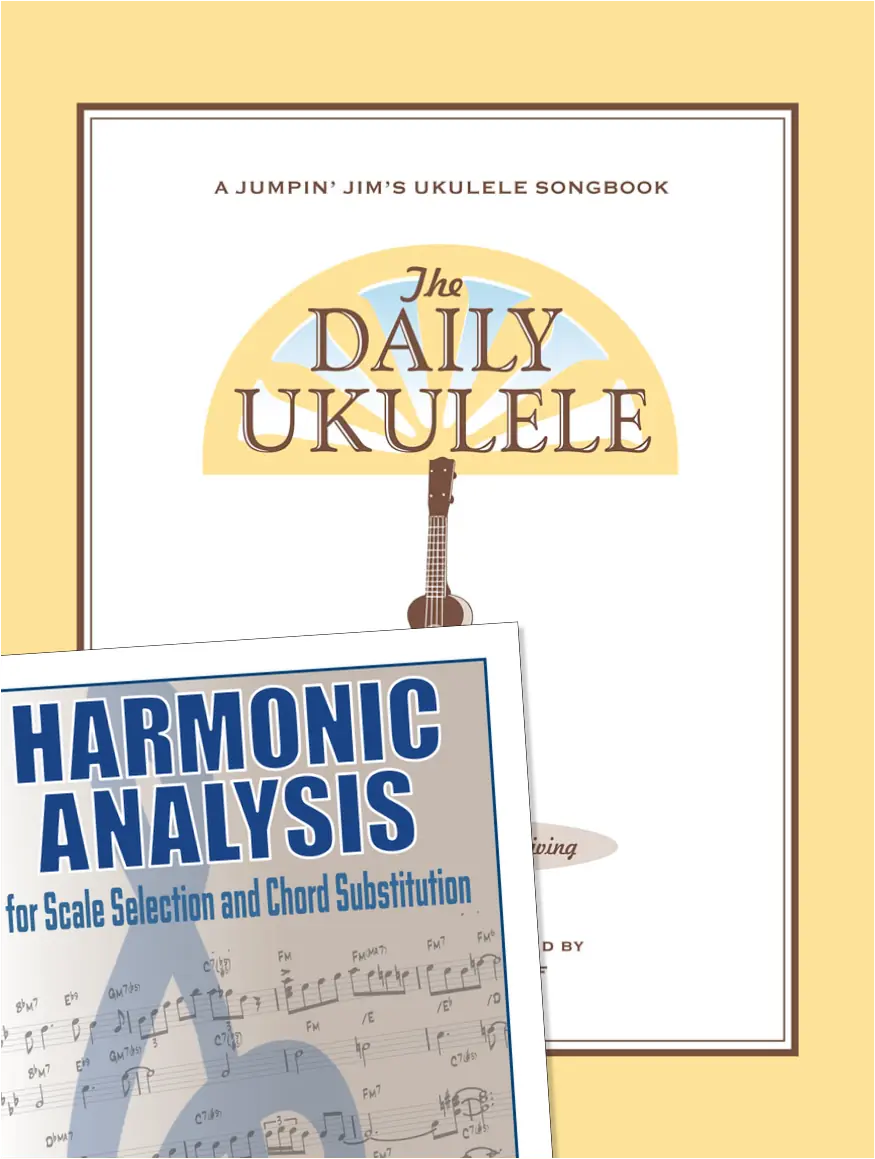
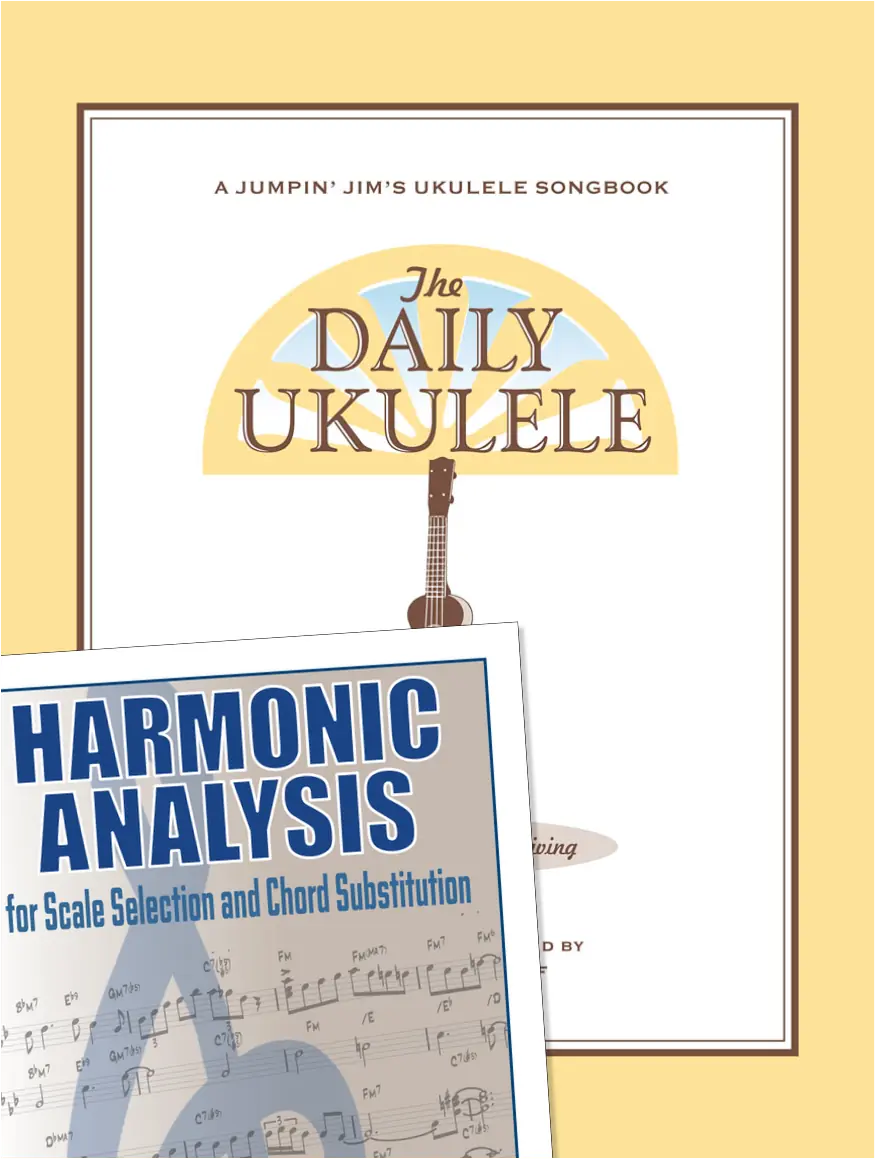
Harmonic Analysis (HA) is the process of determining the root movement of chords within a chord progression, the chord types that are used as well as identifying tonal centers. This root movement can be determined and categorized using one of six harmonic principles and the harmonized chord charts referenced in the lessons.
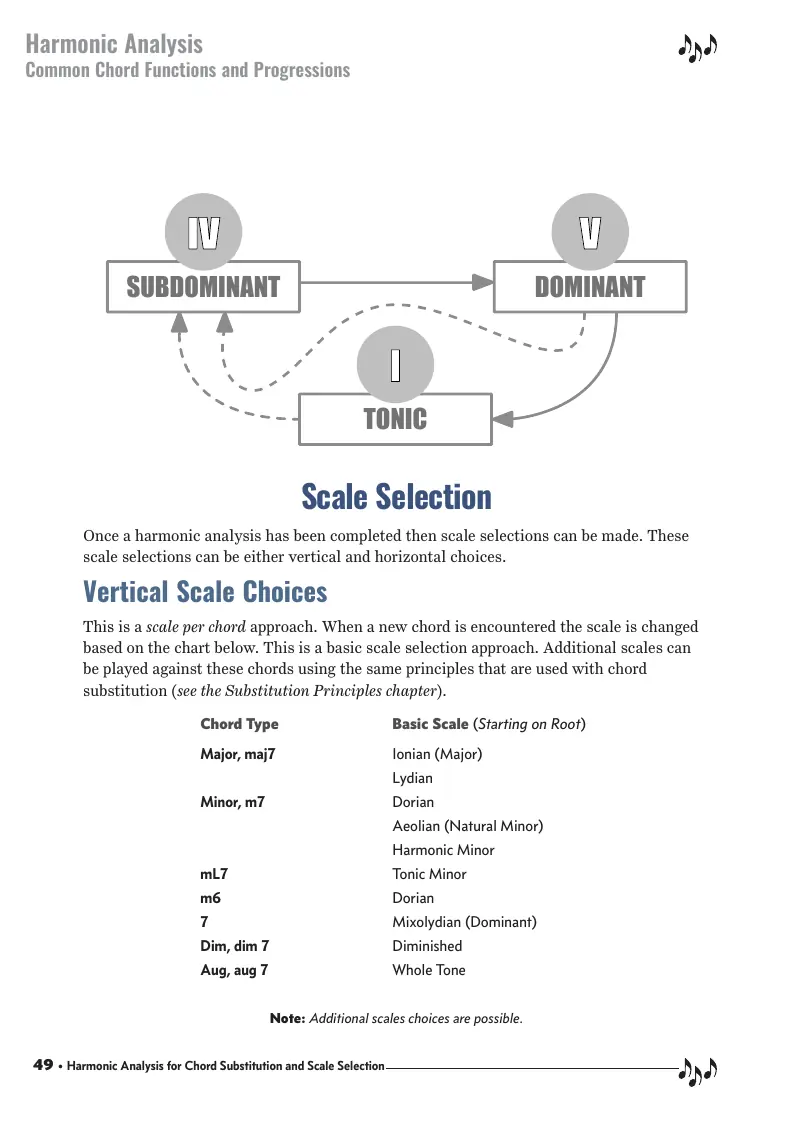
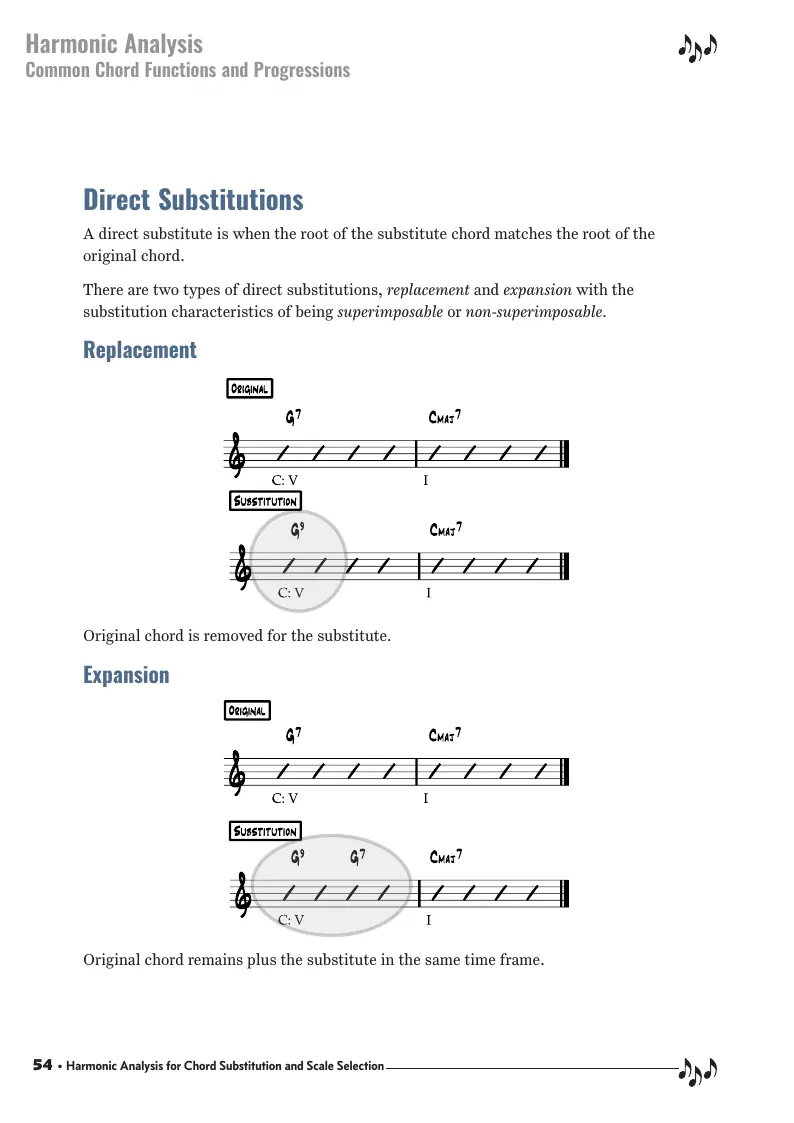
Harmonic Analysis - Chord Substitution Principles
A "Substitution" is when a chord replaces or is used in addition to an existing chord. Chords can have an active or passive quality to them. Active chords tend to be restless and want to move on to other chords. Passive chords tend to offer a feeling of rest and resolution. This cycle of active and passive chords are what gives chord progressions their feeling of movement.
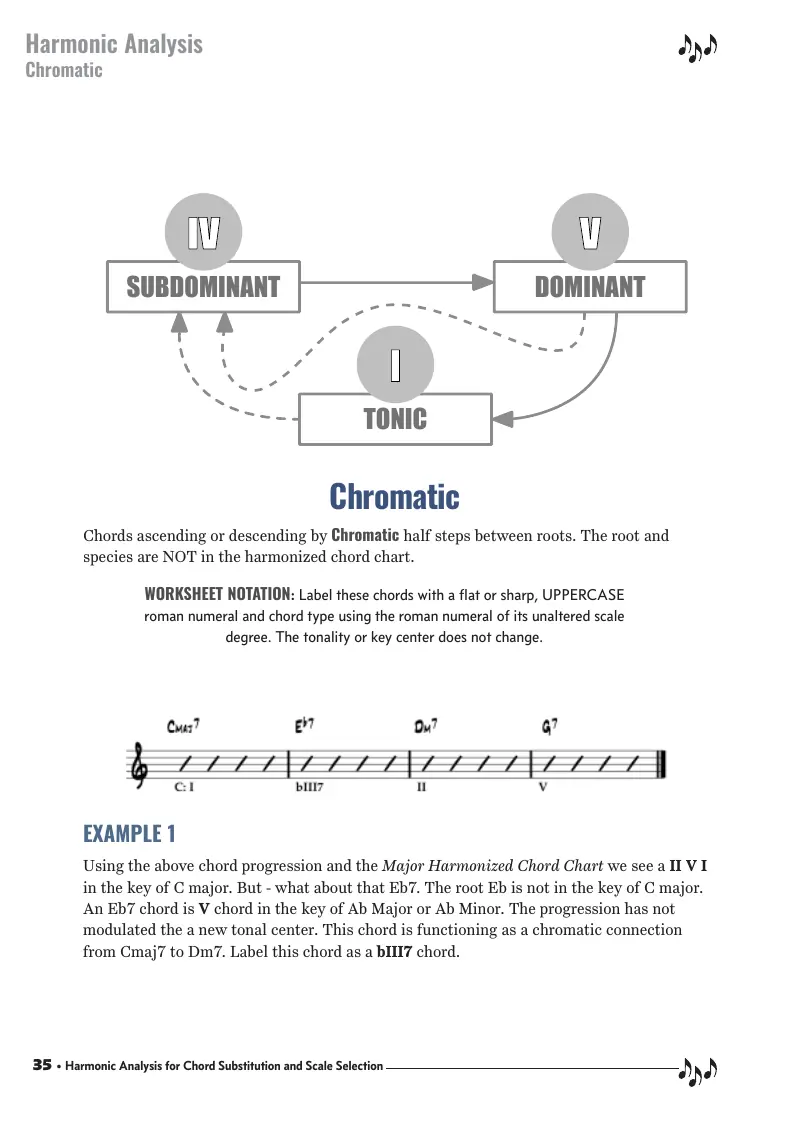
Harmonic Analysis - Chromatic
Harmonic Analysis is the understanding of the functional sequence of chords. It is the process used to analyze the harmonic structure of a progression, song, or composition. This analysis is then used to make scale selections for improvisation and chord substitution. This lesson covers the Chromatic harmonic principle.