Published:
2013-12-26
Updated:
2022-10-16
Learning Ukulele with Curt
Understanding Chord Symbols?
A chord's name is comprised of it's letter name, either A, B, C, D, E, F, or G and it's type information symbols which encapsulates the instructions for building a chord.
Author(s): Curt Sheller Publisher: Curt Sheller Publications Code: UL42-misc-sym
Main Category: Chords Main Instrument: Any
Categories: Chords, Intermediate, Core

2026-08-23
RelatedLessonAssets
A chord's name is comprised of it's letter name, either A, B, C, D, E, F, or G and its chord type information symbol which encapsulates the instructions for building a chord.
C, C-, C°b9#5, CmL7
The names of chords that we encounter today are a modern construct and based chords built using intervals of thirds and their inversions. What follows in this lesson is the common and not so common names.We'll even through in a few NOT chord names.
With a foundation of how these chords are used, harmonically, one should be able to figure out any name or names not found on this list.
- The capital letter, A, B, C, D, E, F or G is the Root or letter name of the chord.
- The chord designation (*for chords based on thirds), chord type follows based on its basic triad type: Major, Minor, Diminished or Augmented. A major designation is not required for triads as this is the default chord type and the most common chord type. 4-part chords require a 7th (seventh) designation or the highest upper partial or extension ( 9, 11, 13 ) above the seventh. maj7, m7, °7, +7, maj9, m9, 11, 13, etc...
- Followed by any alterations ( b5, #5, b9, #9, #11, b13 ) or added pitches. These can be in parentheses 9(#5) 13(b5) indication optional alterations, ...
* Our Western Harmony is overwhelming based on the interval of a third for building chords.
Chord Type
Common Chord Symbols using a C root as examples.
Major
CM, Cmaj, CMAJ, CΔ
Major is the most common chord and by default the maj or major part of the chord is rarely written or even pronounced.
The capital “M” should be avoided. Especially in its handwritten form as it is hard to distinguish between an uppercase M
and the lowercase m
for a minor chord.
When a major seventh interval is used with a minor triad the designation maj7 or L7 is added" Cmmaj7, CmL7. The L
indicates a I seventh, i.e., major seventh. This is not a common notation, but very useful shorthand when writing chords.
Minor
Cm, Cmin, C-
Diminished
Cdim, C°
Augmented
Caug, C+
add
C add2, Cadd9
add refers to adding a note to the base chord. The add is typically used with major and minor chords and represented as a number referring to the interval of the note from the chord’s corresponding scale to add to the chord.
The most common add note is a 9
or 2
.
sus
Csus, Csus4, C7sus4
sus implies the suspension of the third of a major, minor or seventh chord.
sus2 implies to substitute a second for the thirds. Traditionally NOT a true suspension or sus but a 5add2 chord (see Power 5 below).
Power 5
C5
Technically not a true chord and in the traditional sense, it can be argued that it doesn't qualify as a true chord since it consists of two notes played together or almost together, rather than the required three or more. Instead, it can be viewed as a dyad or interval with an additional note.
Seventh
C7, Cdom7
Often called a Dominant Seventh Chord chord.
Dominant is a chord function and not a type. See the following lessons:
- Dominant Seventh Chords? • When is a Dominant Seventh Chord not A Dominant Seventh Chord.
- Secondary Dominant V of ...
NOT
C2, Csus2
Traditionally with chords built in thirds a sus
refers the a suspended or suspension. Which is the third being replaced with the fourth of the chord. Traditionally is resolved, the fourth to the third. In contemporary music, we the listeners. have accepted that it no not resolve. Replacing the third with a second is NOT a suspension with chords based on the traditional triads built in thirds.
So what is the chord name? It's a dyad, a two note C5add2.
For a really through chart on building chords and the chord symbols used above, visit: A Guide to Advanced Chord Series - Chord Building Chart page.


End of Lesson - Thanks, Hope You Enjoyed It!
Related Lessons, Videos, Lesson Series, Songs, Books & Reference Charts, Resources & Assets, Workshops are below.
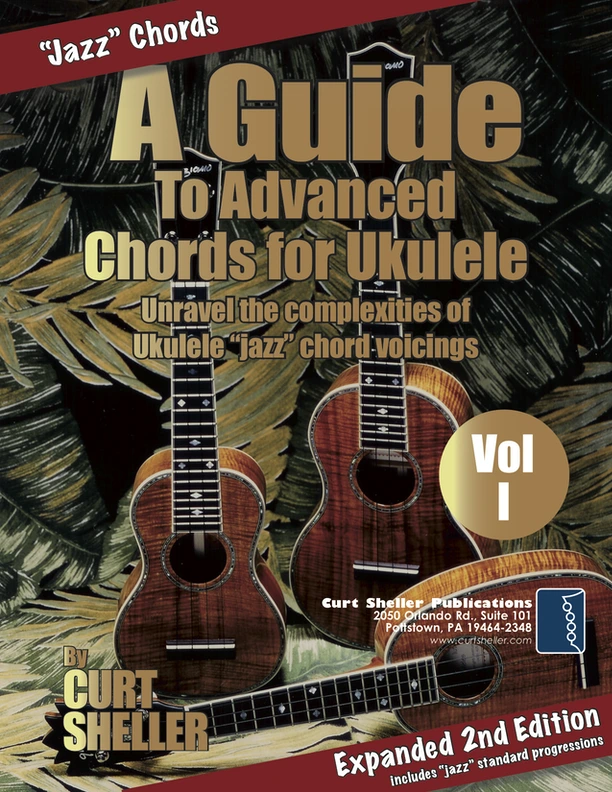
A Guide to Advanced Ukulele Chords - Volume I
Beyond learning basic Ukulele chords, most players struggle with advanced chords. Commonly called "jazz" chords, these more sophisticated voicings find a wide use in all forms of music. A Guide to Advanced Chords for Ukulele - presents a highly organized and efficient approach to the mysterious subject of advanced chords. Chord dictionaries are not the answer.
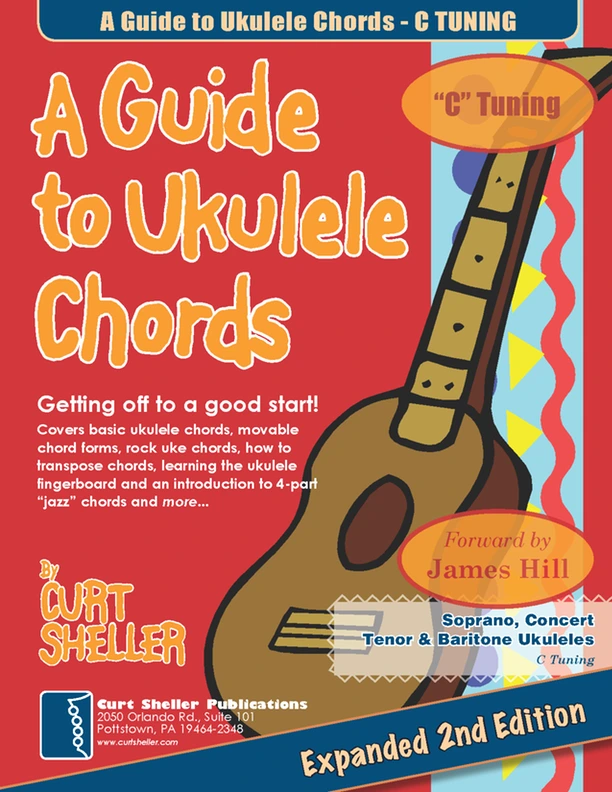
A Guide to Ukulele Chords, 2nd Edition
A Guide to Ukulele Chords, Second Edition is designed as a guide to ukulele chords. Covering the basic ukulele chords that ALL ukulele players SHOULD know. A Guide to Ukulele Chords covers movable chord forms, rock chords, how to transpose chords, learning the ukulele fingerboard and includes an introduction to 4-part, a.k.a jazz chords and more...
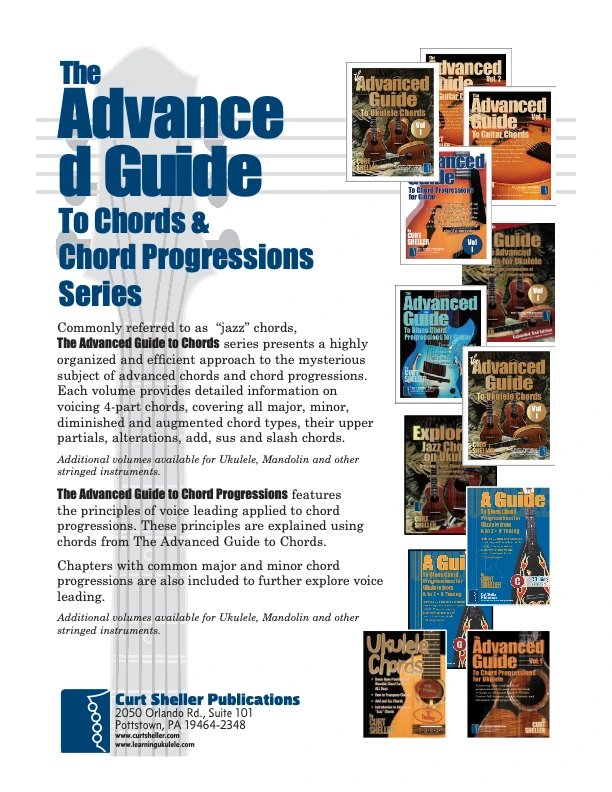
Advanced Guide to Chords and Progressions Series
The Advanced Guide to Chords series presents a highly organized and efficient approach to the mysterious subject of advanced chords and chord progressions. Each volume provides detailed information on voicing 4-part chords, covering all major, minor, diminished and augmented chord types, their upper partials, alterations, add, sus and slash chords.