Published:
2020-05-15
Updated:
2020-05-15
Learning Ukulele with Curt
Basie Ending
The Count Basie ending is one of the most recognizable endings in classic jazz. It is simple, effective and one ending that all gigging jazz musicians must know.
Author(s): Curt Sheller Publisher: Curt Sheller Publications Code: UL125c-Basie
Main Category: Arranging Main Instrument: Ukulele
Categories: Arranging, Chords, Jazz, Melody

2026-08-23
RelatedLessonAssets
The Count Basie ending is one of the most recognizable endings in classic jazz. It is simple, effective and one ending that all gigging jazz musicians must know.
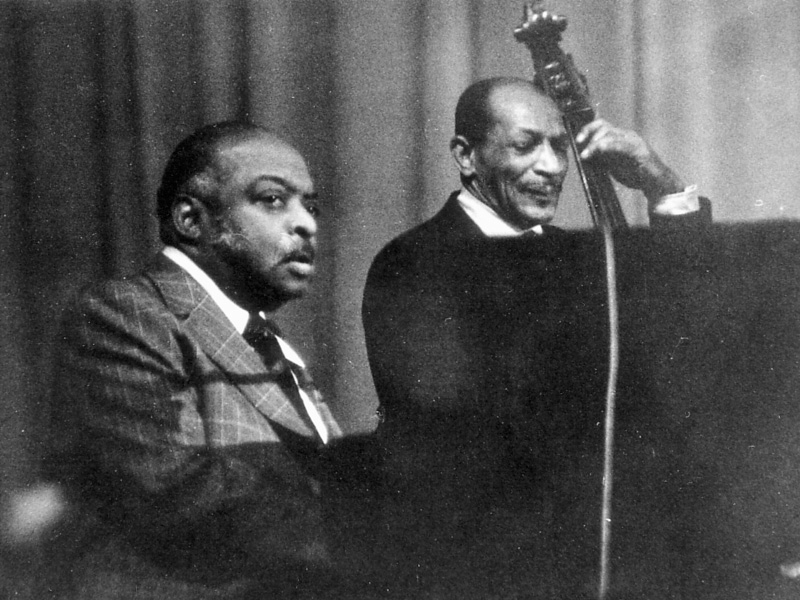
William James "Count" Basie was an American jazz pianist, organist, bandleader, and composer. In 1935, Basie formed his own jazz orchestra, the Count Basie Orchestra, and in 1936 took them to Chicago for a long engagement and their first recording.
More information on this ending and other classic endings can be found in the Classic Endings for `Ukulele lessons and PDF file.
I remember as a 10 year old lad standing right at the edge of the the Marine Ballroom stage – right at the feet of the great Count Basie and looking up and listening to this great big band on Steel Pier in Atlantic City, NJ USA That was some great stuff and lasting memories.
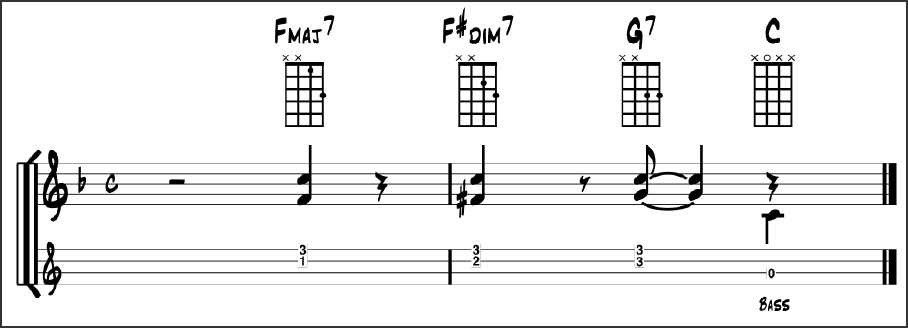
Two Feel, bVImaj7 bIImaj7 , Basie Ending, Single, Double and Triple Tags, Chromatic, Take 'A' Train Ending, Shave and a Hair Cut, Lawrence Welk Ending. These are common classic songs ending that are used over and over in the standard song repertoire.


End of Lesson - Thanks, Hope You Enjoyed It!
Related Lessons, Videos, Lesson Series, Songs, Books & Reference Charts, Resources & Assets, Workshops are below.

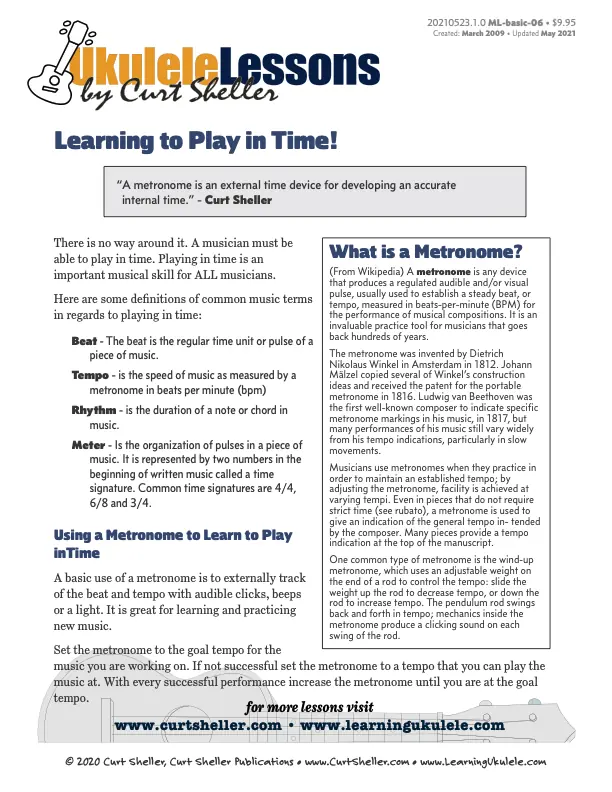
Playing in Time
Playing in time is an essential skill that every musician must possess. There are no shortcuts or alternatives when it comes to this aspect of music. Keeping your place while playing is a crucial lesson that focuses on honing your ability to maintain a consistent tempo and rhythm throughout your performance.
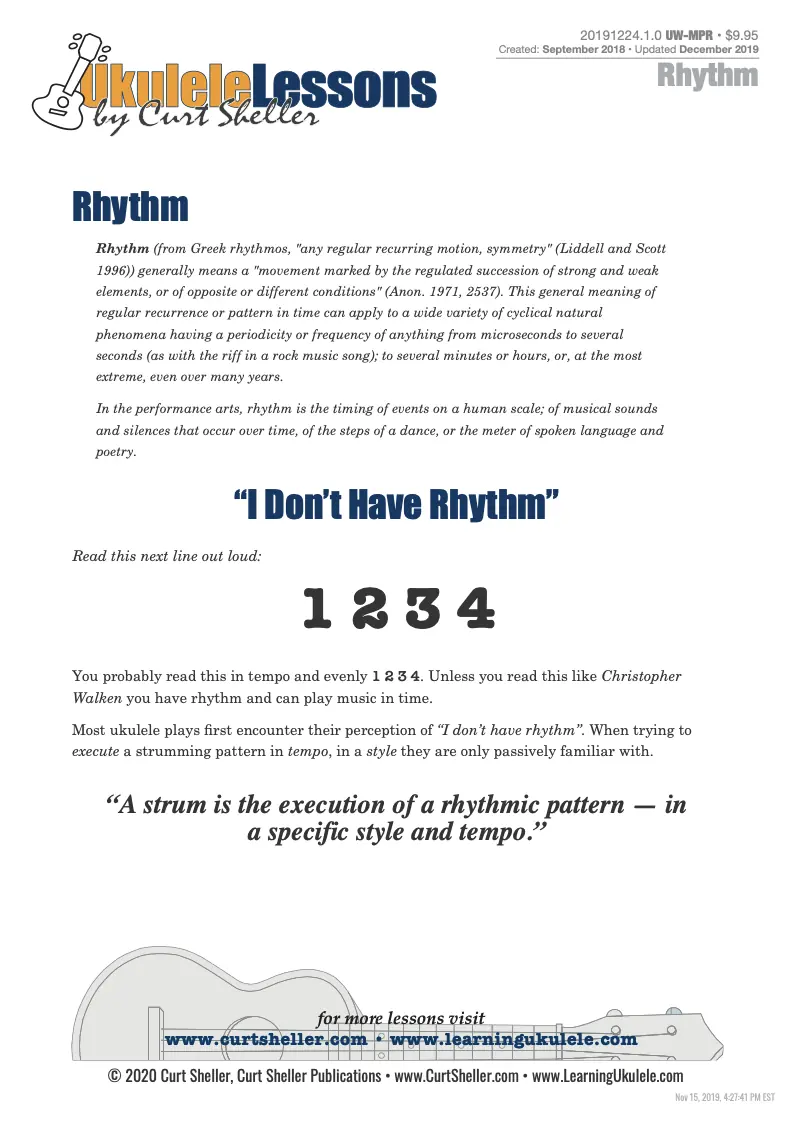
Rhythm - Avoid at Your Own Peril
The often neglected and taken for granted subject of Rhythm. Music is Melody, Harmony and Rhythm. We are drawn, initially to music by melody at a very early age, with the instrument of our voice. With ukulele you typically learn chords - the harmony and never really dive into learning rhythm. Unless you're a drummer we take rhythm for granted.


Modular Phonetic Rhythm, The Foundation and Workbook 1
Modular Phonetic Rhythm represents a significant advance in the teaching and application of rhythm. Eliminating many inefficient aspects of rhythm education, Modular Phonetic Rhythm streamlines the traditional educational approach, resulting in a reflexive reaction to rhythm.
Modular Phonetic Rhythm by Chuck Anderson
Modular Phonetic Rhythm represents a significant advance in the teaching and application of rhythm. Eliminating many inefficient aspects of rhythm education, Modular Phonetic Rhythm streamlines the traditional educational approach, resulting in a reflexive reaction to rhythm.