Published:
2023-10-26
Updated:
2023-10-26
Learning Ukulele with Curt
Last Train To Clarksville
Harmonic Analysis (RMA) Worksheet for the song: "Last Train To Clarksville".
Author(s): Curt Sheller Publisher: Curt Sheller Publications Code: ULHA-YB-144
Main Category: Harmonic-Analysis Main Instrument: Any
Categories: Theory, Intervals, Progressions, RMA, Harmony

2026-08-23
RelatedLessonAssets
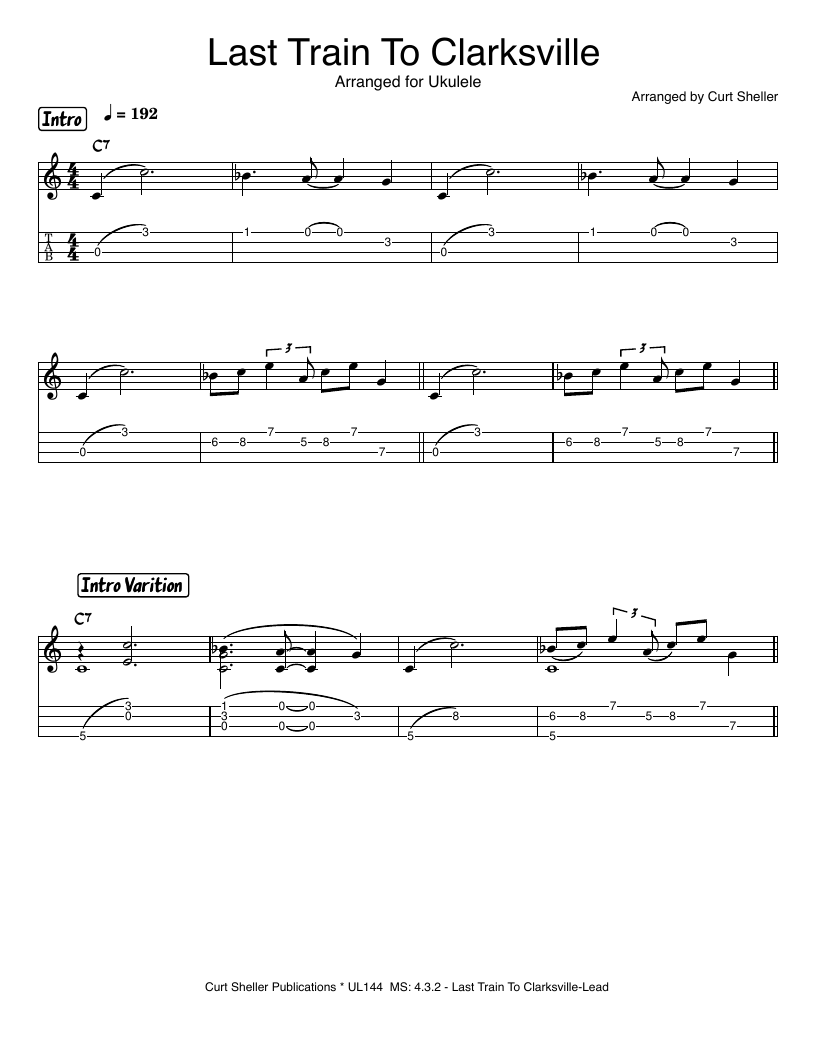
Number of Pages: 3
If you're a registered site member and have the correct permissions you can view ALL the pages of this PDF at a larger size using the LearningUkulele.com Online PDF Viewer (button below).
Download PDFThis Download IS part of your Gold Site Access and a FREE download. Thanks for supporting the site. — Curt
Each PDF file is a professionally prepared, formatted, high resolution file that prints out great. You'll need a PDF Reader or application capable of viewing PDF files to view the PDF.
NOTE: Download the current PDF file for the latest, complete, and most up-to-date version. As well as additional information not presented on-line.
Harmonic Analysis (RMA) Worksheet for the song: Last Train To Clarksville.
Released: August 16, 1966
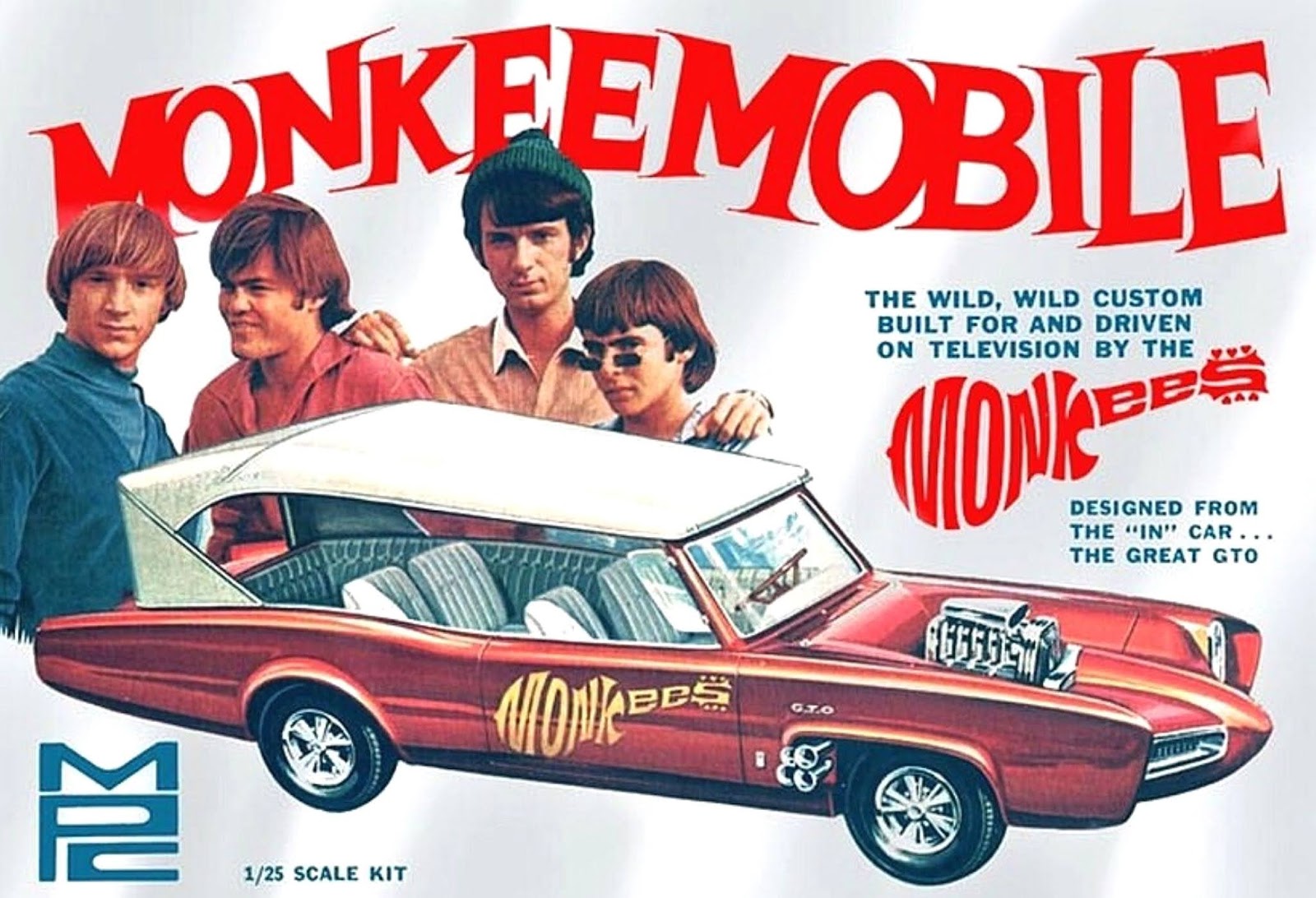
Last Train To Clarksville is a song by American rock band the Monkees. It was released as the band's debut single on August 16, 1966, and was later included on the group's self-titled album, which was released on October 10, 1966. The song, written by Tommy Boyce and Bobby Hart, was recorded at RCA Victor Studio B in Hollywood on July 25, 1966, and was already on the Boss Radio "Hit Bounds" playlist on August 17, 1966. The song topped the Billboard Hot 100 for the week ending November 5, 1966. Lead vocals were performed by the Monkees' drummer, Micky Dolenz. Last Train to Clarksville
was featured in seven episodes of the band's television series, the most for any Monkees song. wikiwand
Harmonic Analysis (HA) Worksheet
More Last Train To Clarksville
content below, continue exploring...
More Last Train To Clarksville
The song was written by the songwriting duo of Tommy Boyce and Bobby Hart. Boyce has said that the song's opening guitar part (played by Louis Shelton) was an attempt to emulate the type of memorable and clearly identifiable riff that the Beatles had used in songs such as "I Feel Fine," "Day Tripper" and "Paperback Writer". The latter Beatles' song had reached number one on the U.S. charts three months earlier, around the time that "Last Train to Clarksville" was written and recorded. The lyrics, too, were inspired by "Paperback Writer": Hart misheard the end of that song on the radio and thought Paul McCartney was singing "take the last train"; Hart then decided to use the line himself, after he found out that McCartney was actually singing "paperback writer. wikiwand
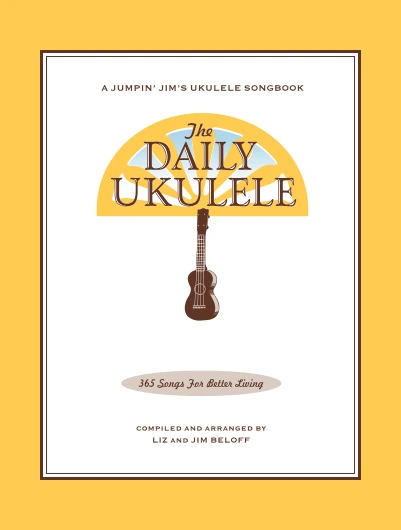
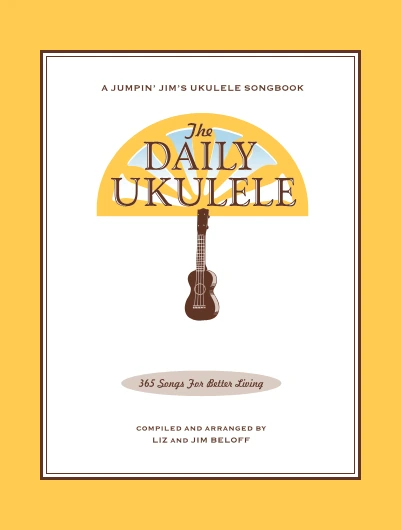
Last Train To Clarksville is in the The Daily Ukulele — 365 Songs for Better Living book.
Strum a different song every day with easy arrangements of 365 of your favorite songs in one big songbook! The Daily Ukulele features ukulele arrangements with melody, lyrics and uke chord grids and are in ukulele-friendly keys that are particularly suited for groups of one to one hundred to play and sing.
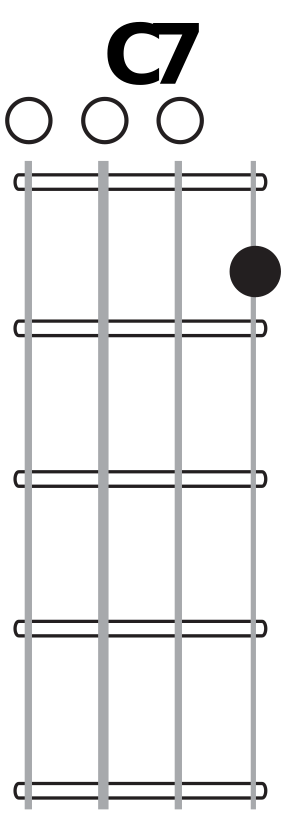
Ukulele Chords
These and many other chords are covered in the Learn A Chord A Day series of lessons.
C Tuning Chords
In the Daily Ukulele series of book the chords are actually listing in their order of appearance. And, are always the basic open position chords when possible.
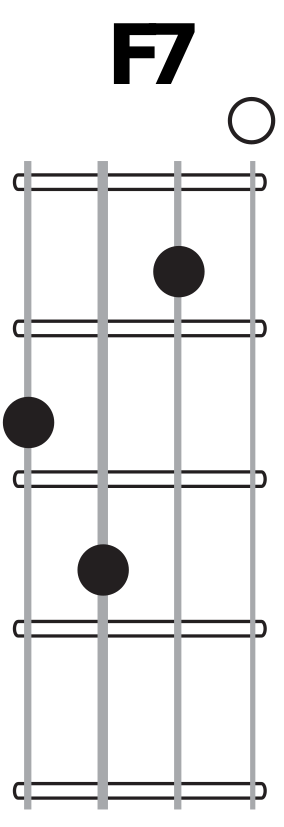
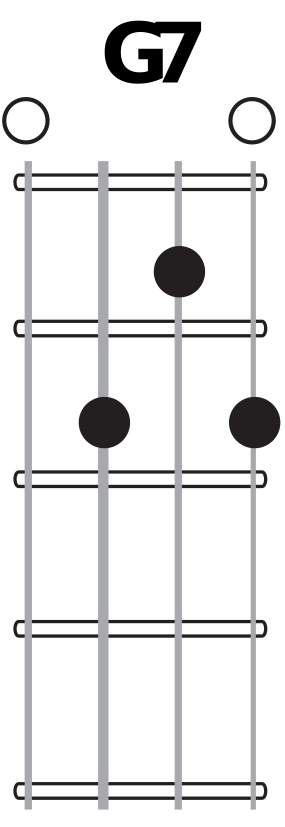
Starting Melody Note and 1st Interval
- Last Train To Clarksville is in 4/4, Common Time and the Key of C . The original is in the Key of C as well , Tempo: 197 bpm
- Start on P5 ↑ M2.
Intervals Legend: Root=note that begins a scale of the starting key; C is C, D is D, Am is A, Em is E, etc… m=minor; M=Major; P=Perfect; D=Diminished; A=Augmented. • ↑ is up/ascending; ↓ is down/descending;
Harmonic Analysis (HA) Worksheet
Visit the Harmonic Analysis for Scale and Chord Selection series of lessons for information on creating your own Harmonic Analysis Worksheet
C Mixolydian
Although the key signature is in the Key of F, the first chord is C7 as a I chord, implying C Mixolydian , one of the modes of F Major. However the progression does not use the characteristic chords or scale note of the Mixolydian mode. I've noted it as if it's a simple I IV V in the Key of C Major , but using all sevenths chords using they corresponding Mixolydian/Dominant scale based on each chord root.
F Mixolydian
C Mixolydian
F Mixolydian
Fine
G Mixolydian
C Mixolydian
D.S. al Fine
The Harmonic Analysis (HA)
A Harmonic Analysis (RMA/HA) and its worksheet are intended to show the function of the chords, the harmonic principles used, the keys and tonalities the song explores. And, can be used for scale selections and chord and scale substitutions.
NOTE: A Harmonic Analysis Worksheet is NOT intended to be a lead leadsheet.
Minimal roadmap information such as repeats, fine, D.S., D.C., and codas has been used in preparing the worksheets to somewhat mirror the leadsheet in the Daily Ukulele book.
Sections, Verse, Chorus, 1st, 2nd Ending, turnbacks …
The worksheets will show 1st, 2nd Ending, turnbacks, etc. as indicated in the Yellow Book
. You should start to recognize that 1st endings typically always return to a previous verse or an  section. With a 2nd ending, a transition to a different part of the song, a
  or chorus. Harmonic Principles are used for these repeats and transitions.
If turnback chords are not indicated for these 1st and 2nd endings in the original Yellow Book leadsheet, recommended chord(s) will be indicated in parentheses or as an alternate harmony in Red . Typically the last measures or turnbacks will be a chord that resolves to and harmonically leads you to the next section or turning you back to the same section. Typically a V or direct substitution of that next chord.
Reference Key
This is the key of the source leadsheet.
- Last Train To Clarksville is in 4/4, Common Time and the Key of C . The original is in the Key of C as well , Tempo: 197 bpm
Harmonic Principles Used:
These are the harmonic principles used in Last Train To Clarksville.
Nashville Number System (NNS)
Nashville Numbering System always uses four bars/measures per line, no bar lines, and default is each number of the number of beats per bar/measure based on the time signature. If multiple chords in same bar then they are underlined. It can be as simple as converting the Roman Numerals above to Arabic numbers.
At its simplest you simply replace the roman numbers with Arabic numbers. e.g., I becomes 1 , II becomes 2 , etc. The only exception is the bVII7 chord becomes 7 as this borrowed chord from the Mixolydian tonality is so common and the VII (half-diminished seventh) in a major chord is so rare (actually never). And, you could go as far as saying all the modes are numbered: I II III IV V VI VII — just as in the major scale. So calling it a 7 is not that far out.
Check the definitive book Nashville Number System
Scale Selection
Once a Harmonic Analysis has been completed, scale selections can be made. These scale selections can be either vertical or horizontal choices. And, really, only needed if you are going to take a solo or embellish the melody with added notes.
Scale Abbreviation Legend
Traditional Scales: Maj: Major (Ionian), Nat Min: Natural Minor, Dim: Diminished, WT: Whole Tone, Har Min: Harmonic Minor
Contemporary Scales: Minor Pent: Minor Pentatonic, Pent: Major Pentatonic, Blues
Scale/Mode Names: Ion: Ionian (Major), Dor: Dorian (Minor), Phrygian: Phrygian, Lyd: Lydian, Mix: Mixolydian (Dominant), Aeol: Aeolian (Natural Minor), Loc: Locrian
Altered Scales: Mix+4: Mixolydian Plus 4 / Lydian Dominant, Mix-2-6: Mixolydian flat 2, flat 6
Checkout the Lesson Series: Harmonic Analysis for Scale and Chord Selection or download the Harmonic Analysis for Scale and Chord Selection book. And the QuickStart Series of Scale and Arpeggio books.

Performance Notes
Lots of cool guitar stuff going on in the original recording that can be adapted to the ukulele. Turning this into a nice performance for your ukulele group.
The form of Last Train To Clarksville on the original record for is:
- Intro
- Verse 1
- Verse 2 with a 2 bar interlude on the I7 chord.
- Verse 3
- Bridge
- Verse 4
- Solo
- Verse 5 with a 2 bar interlude on the I7 chord.
- Outro (faded out on recording) on the I7 chord.
Intro
A cool simple intro that is also used over the C7 . I've spiced it up a bit to make it fuller.
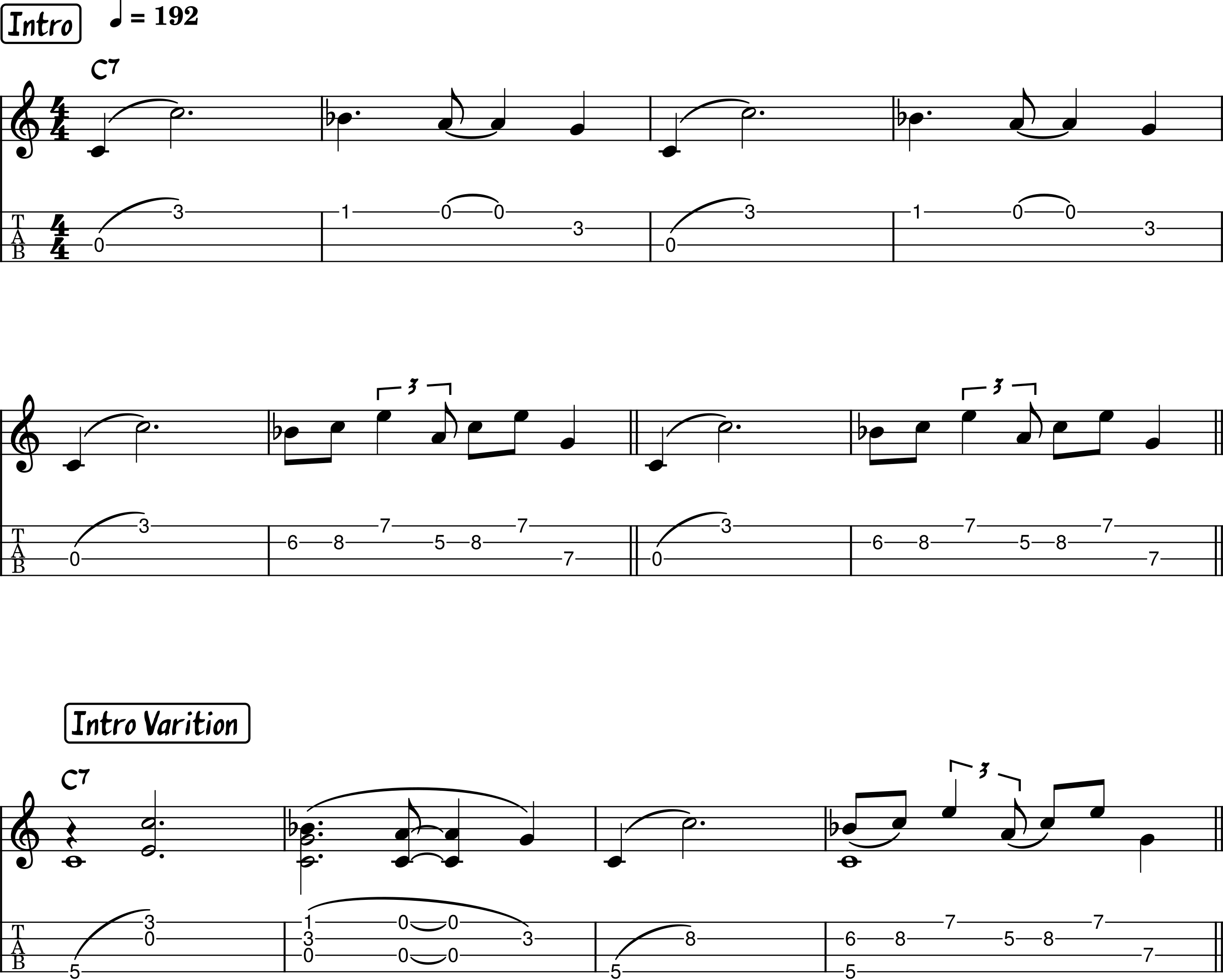
Default is C Tuning, Low or High G
Links & Resources
- wikiwand Last Train To Clarksville
- SongFacts: Last Train to Clarksville •
- Last Train to Clarksville •
- "Last Train To Clarksville" guitar solo by Louie Shelton • In this video, Louie Shelton you was the guitarist on the original recording of Last Train To Clarksville goes over and shows you exactly what hie did. The original was in the Key of G. I've aapted the intro, interlude, and solos to the key that this lessons and the songs key that is in the Daily Ukulele book.


End of Lesson - Thanks, Hope You Enjoyed It!
Related Lessons, Videos, Lesson Series, Songs, Books & Reference Charts, Resources & Assets, Workshops are below.

A Guide to Ukulele Strums
Learn a variety of strums and rhythmic patterns in wide range of musical styles. One of the first skills a ukulele player learns is the art and craft of strumming, playing rhythm. This refers to an accompaniment technique suitable for the singer, singer - songwriter or someone who plays a support role for another instrument.
Harmonic Analysis for Scale Selection and Chord Substitution
Harmonic Analysis is the understanding of the functional sequence of chords. It is the process used to analyze the harmonic structure of a progression, song or composition. This analysis is then used to make scale selections for improvisation and chord substitution.
The Daily Ukulele
Strum a different song every day with easy arrangements of 365 of your favorite songs in one big songbook! The Daily Ukulele features ukulele arrangements with melody, lyrics and uke chord grids and are in ukulele-friendly keys that are particularly suited for groups of one to one hundred to play and sing.

Harmonic Analysis for Scale and Chord Selection
Harmonic Analysis (HA), also known as the study of chord relationships, is the method used to identify the harmonic role of chords within a chord progression or song. A chord progression refers to a sequence of chords, with each chord having a root note and belonging to a specific chord type. The function of a chord within a particular scale's tonality is determined by its relationship to that scale.