Published:
2003-01-02
Updated:
2024-06-08
Learning Ukulele with Curt
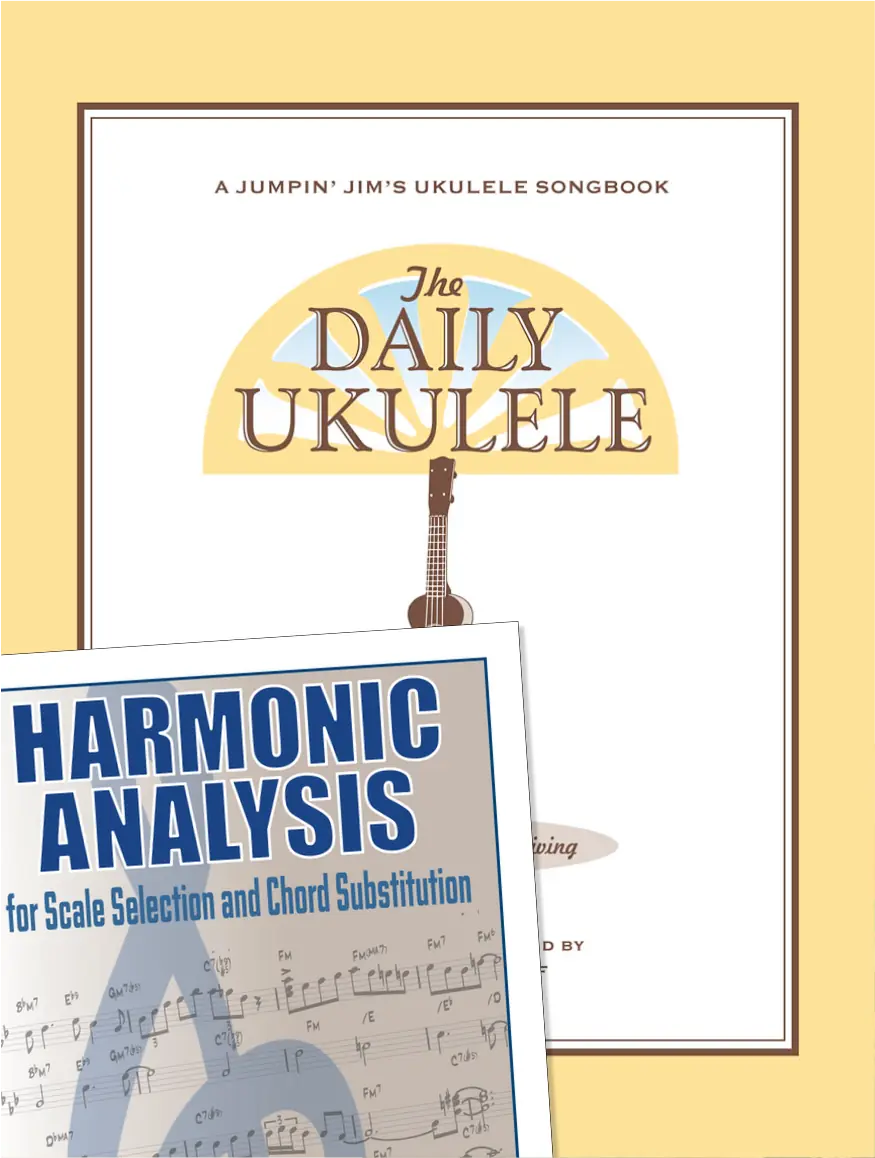
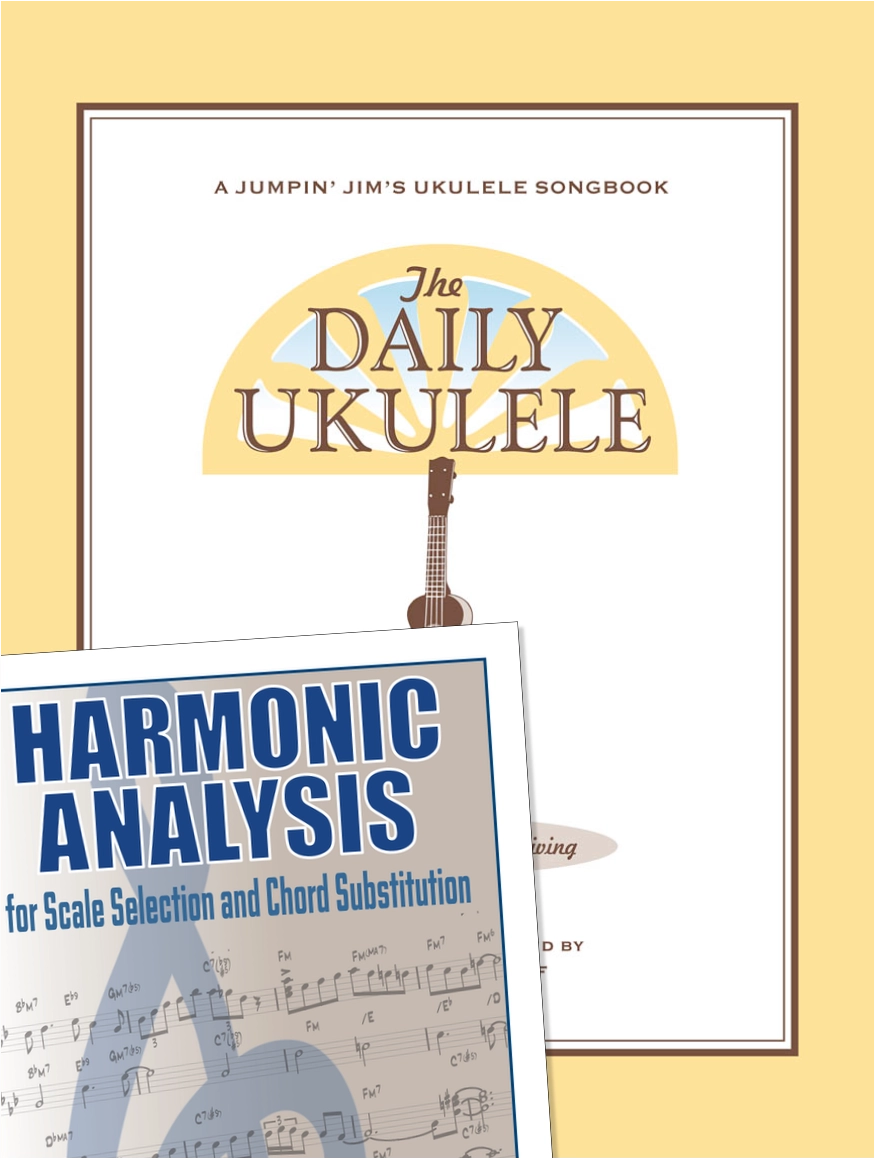
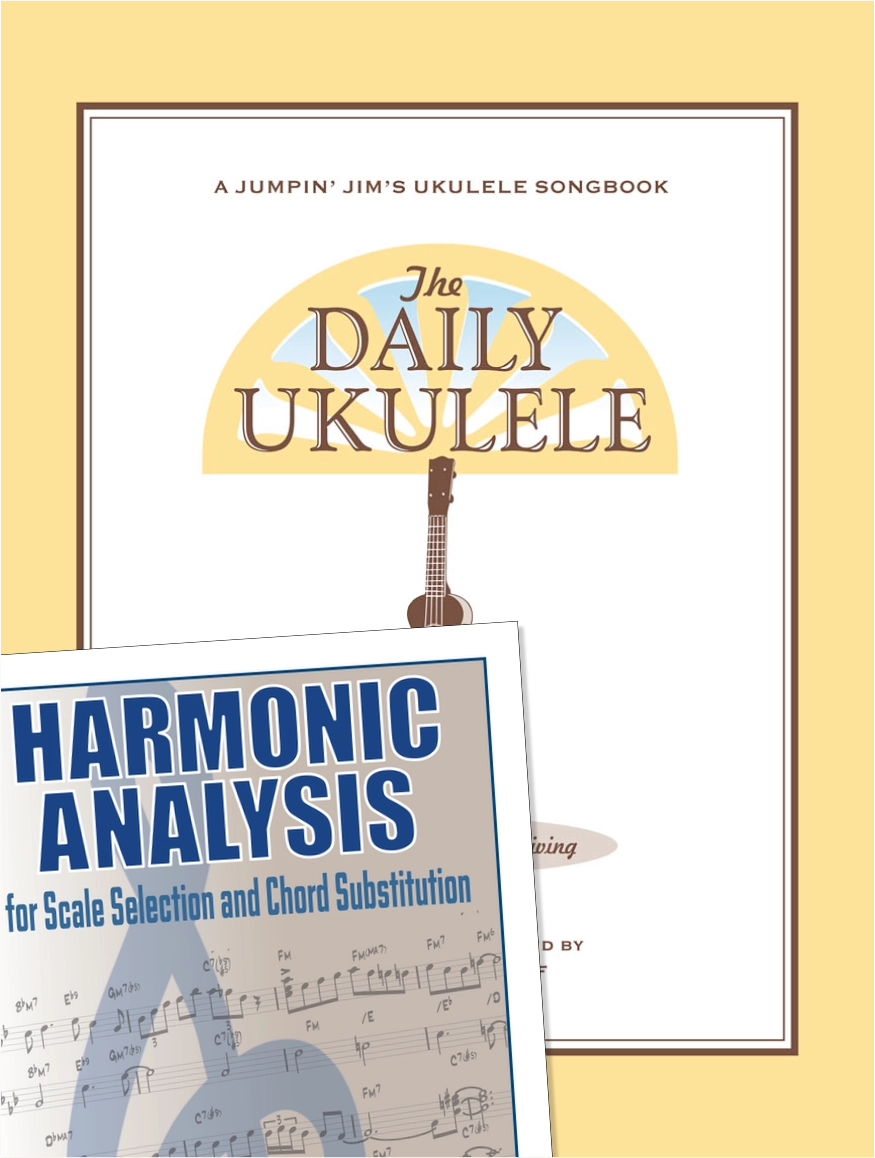
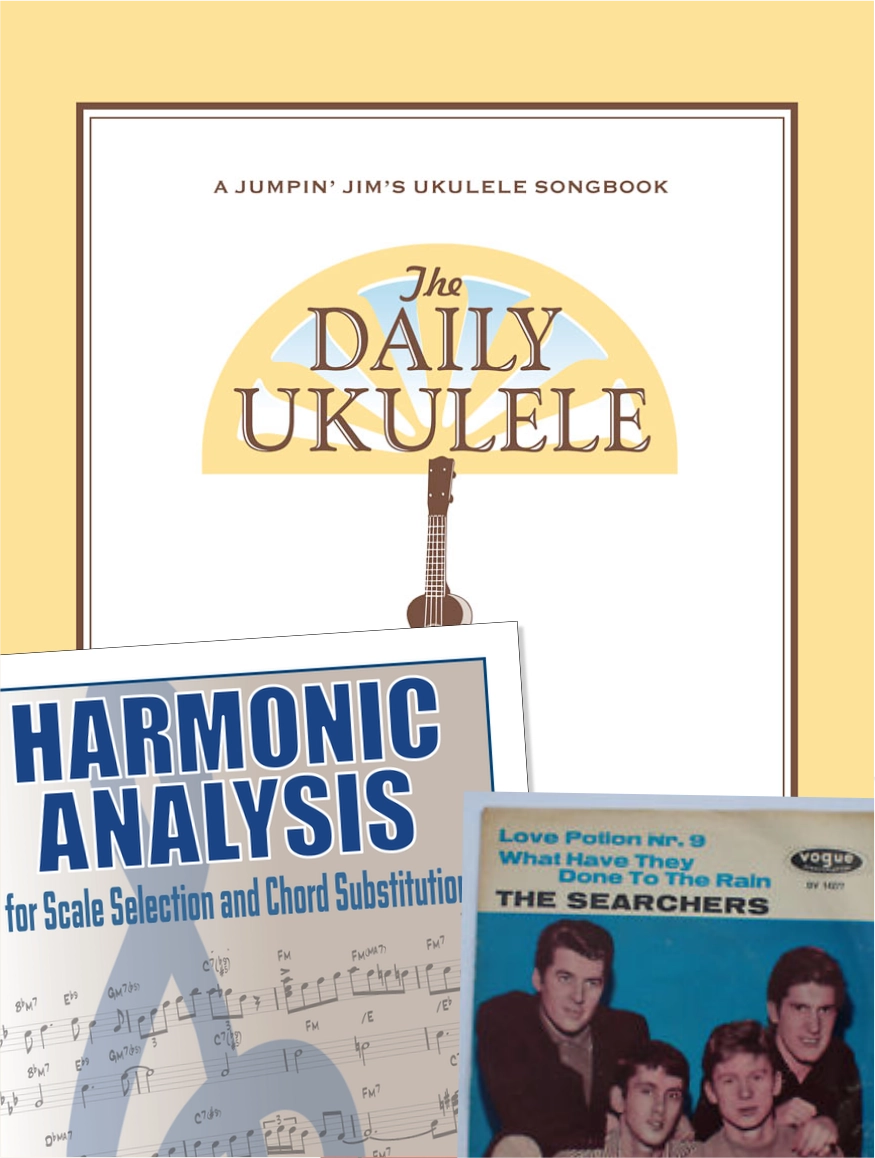
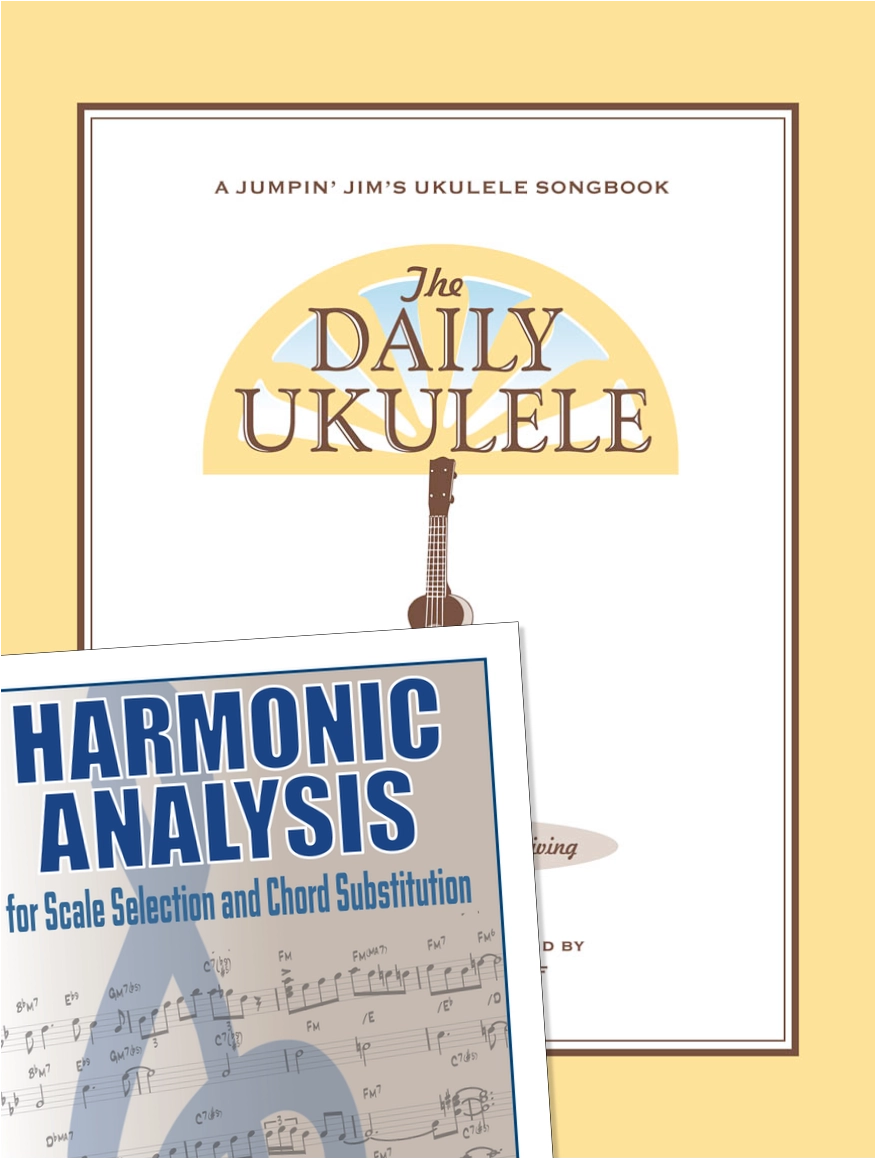
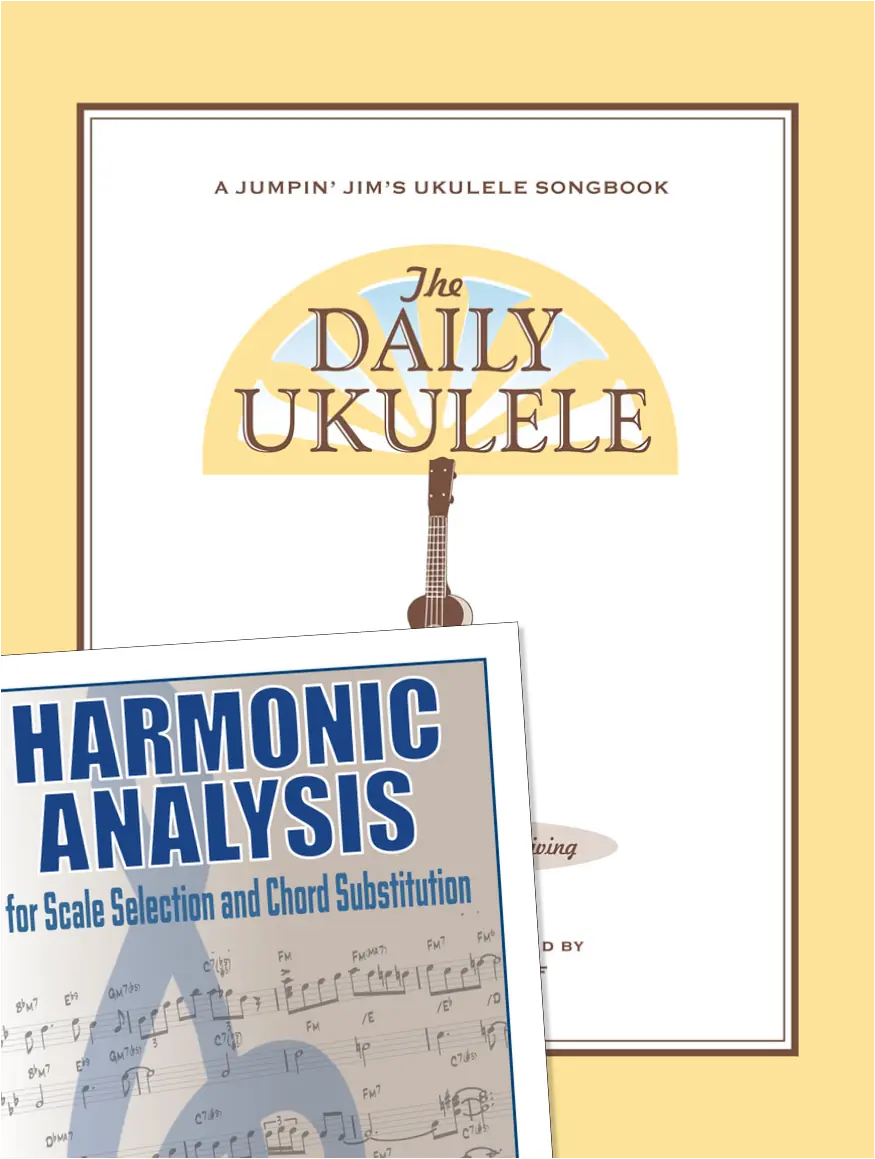
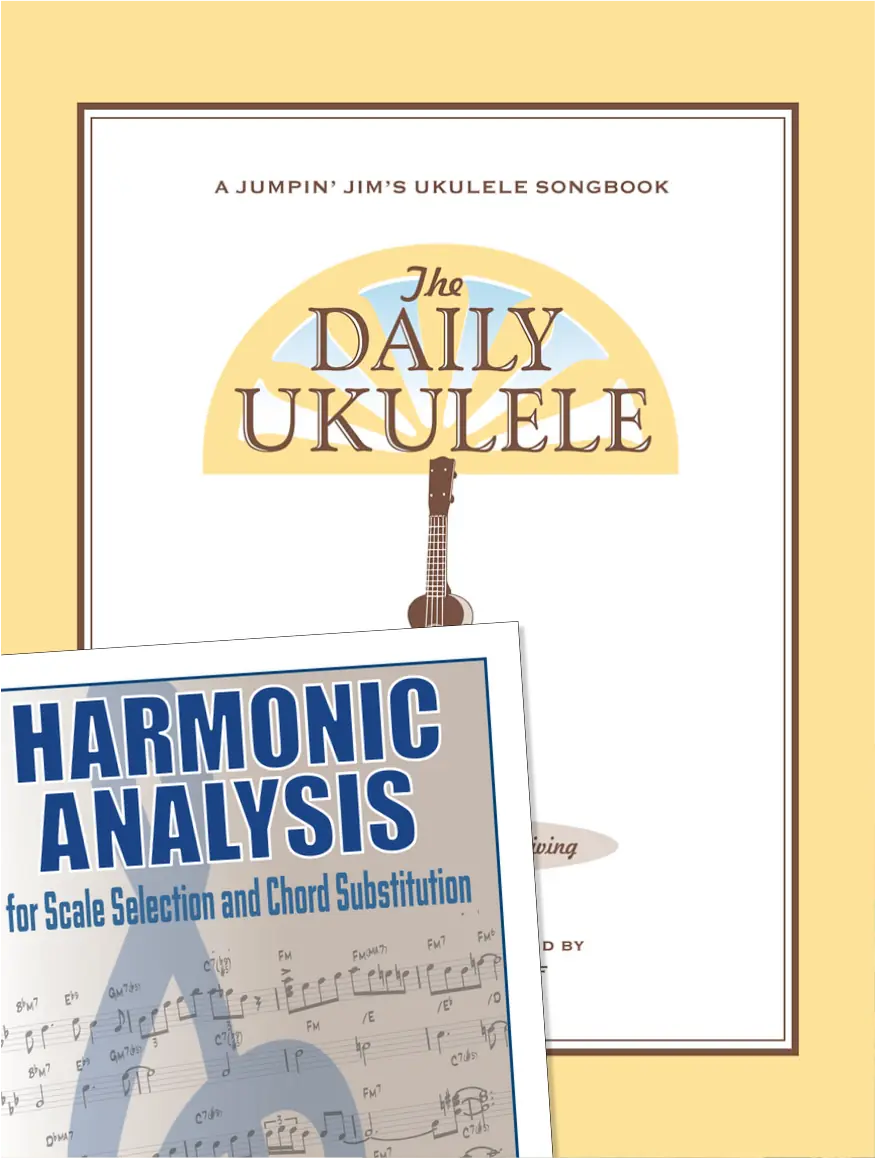
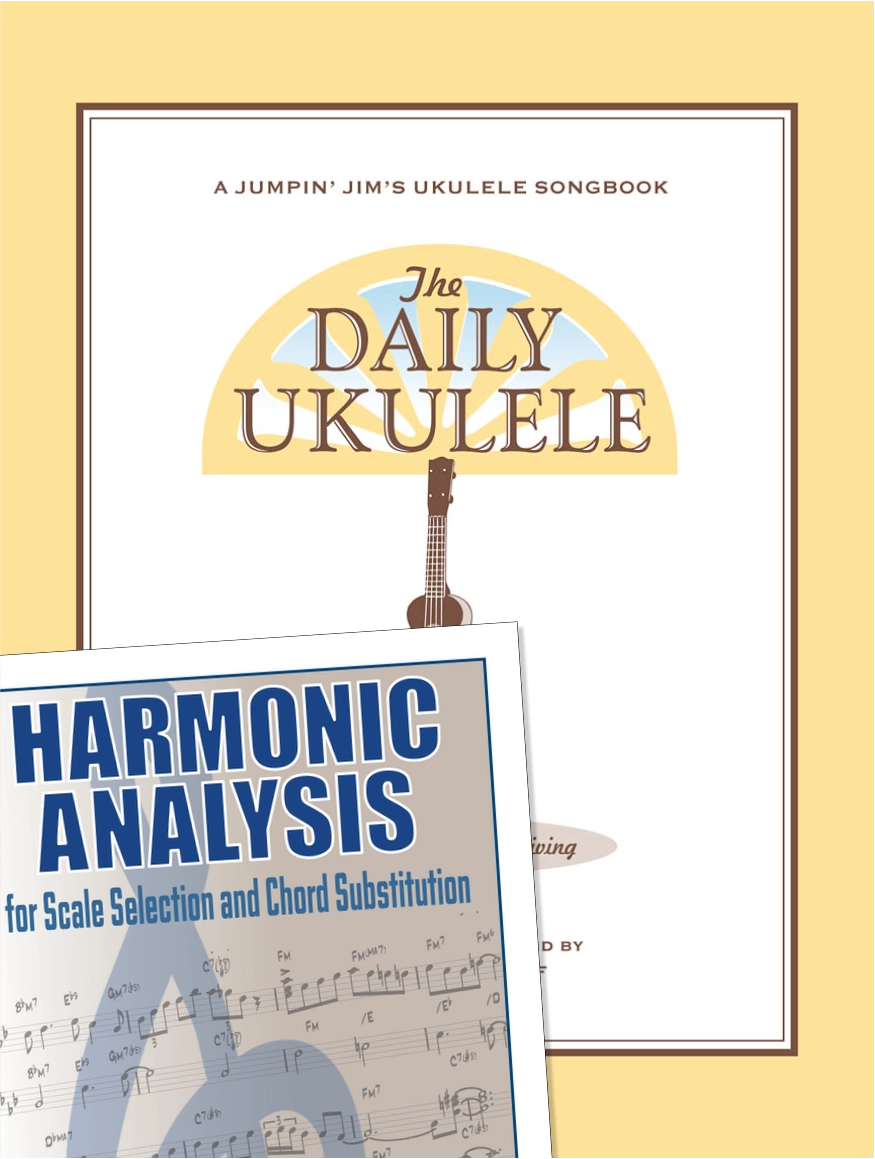
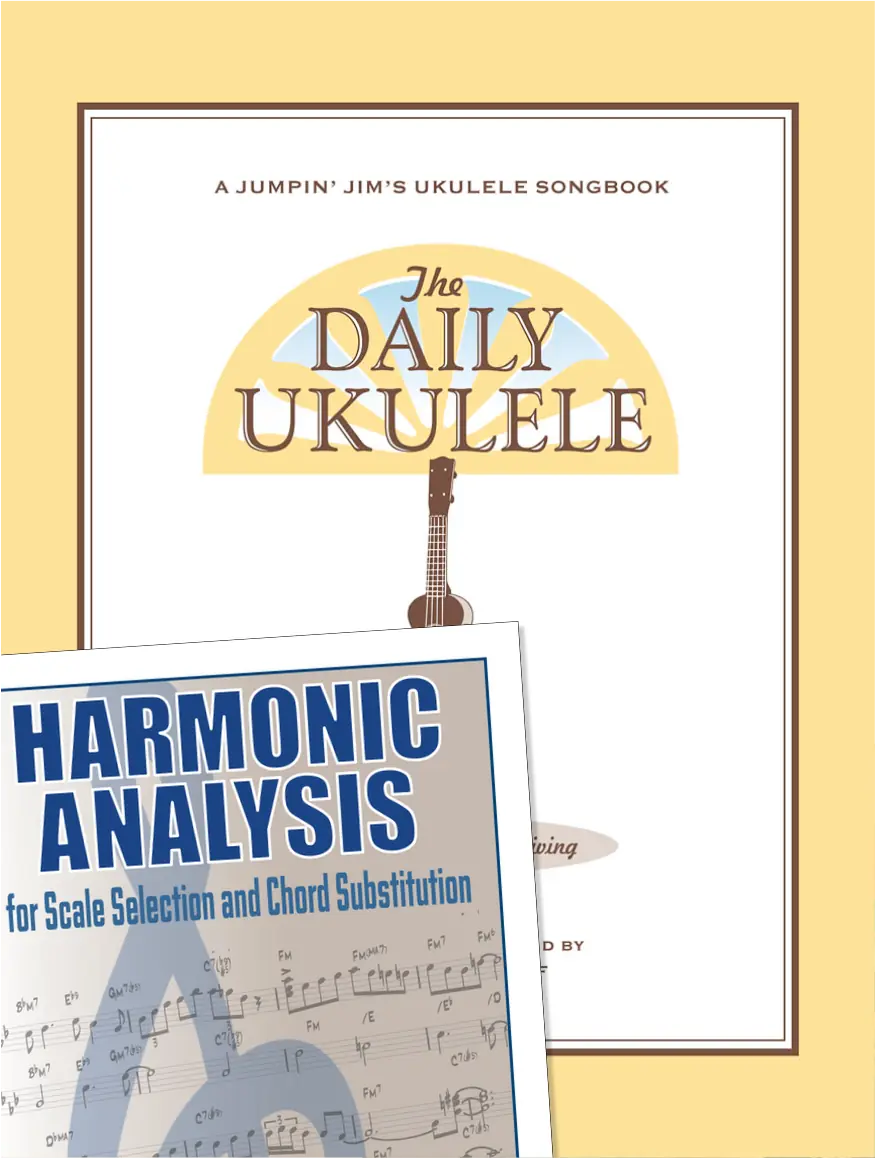
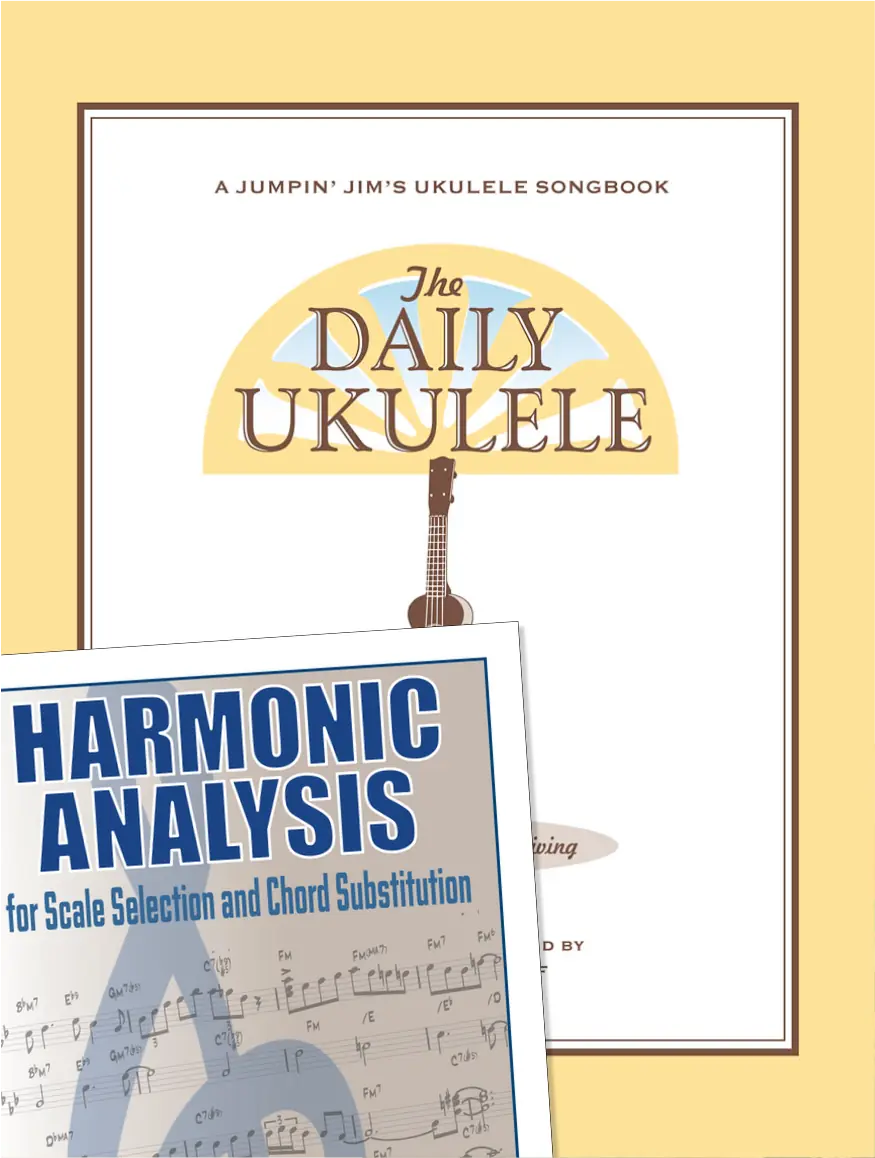
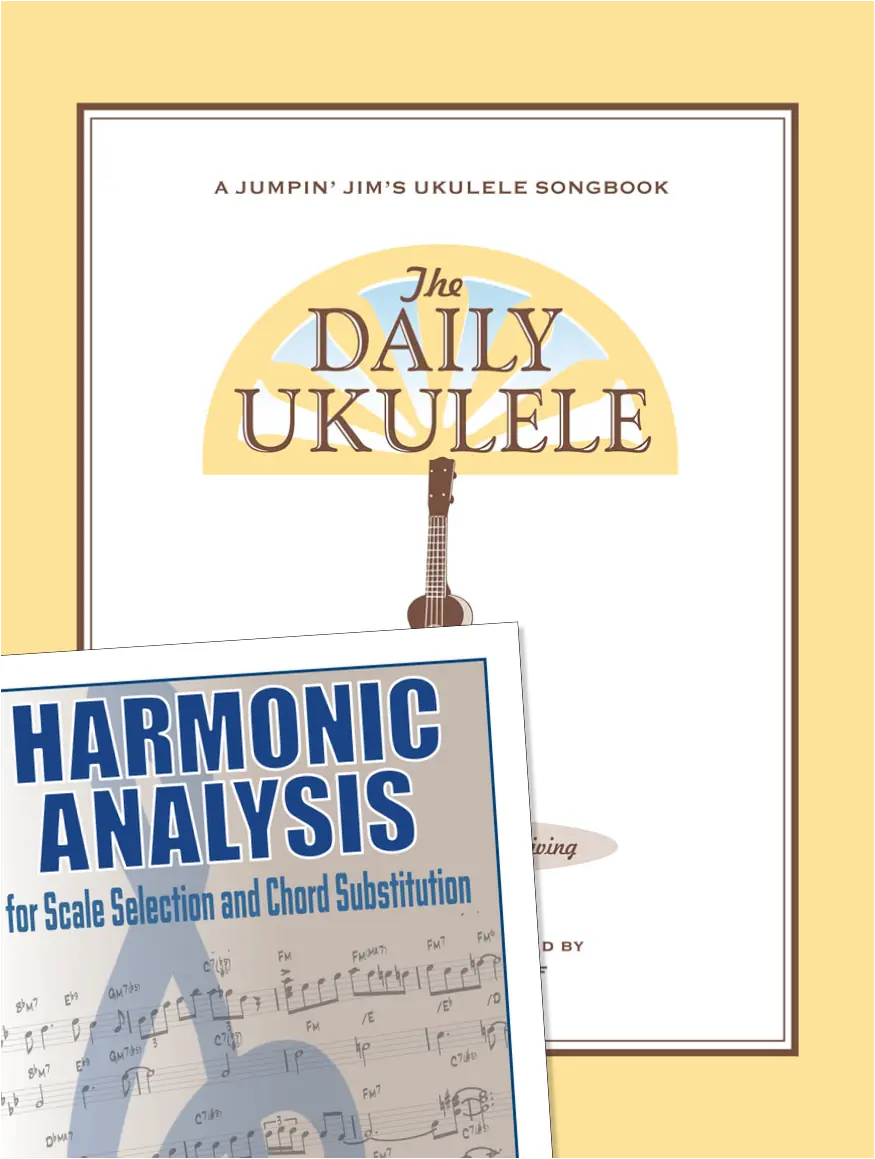
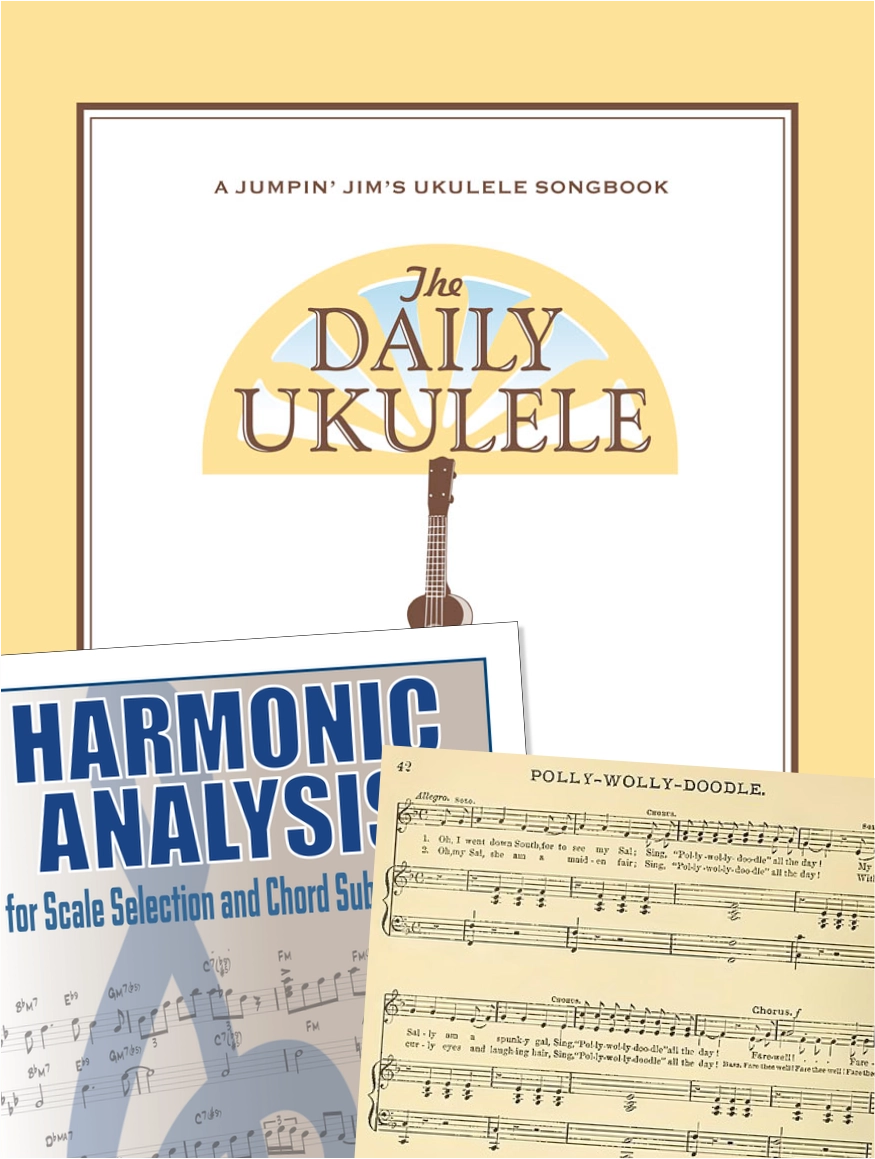
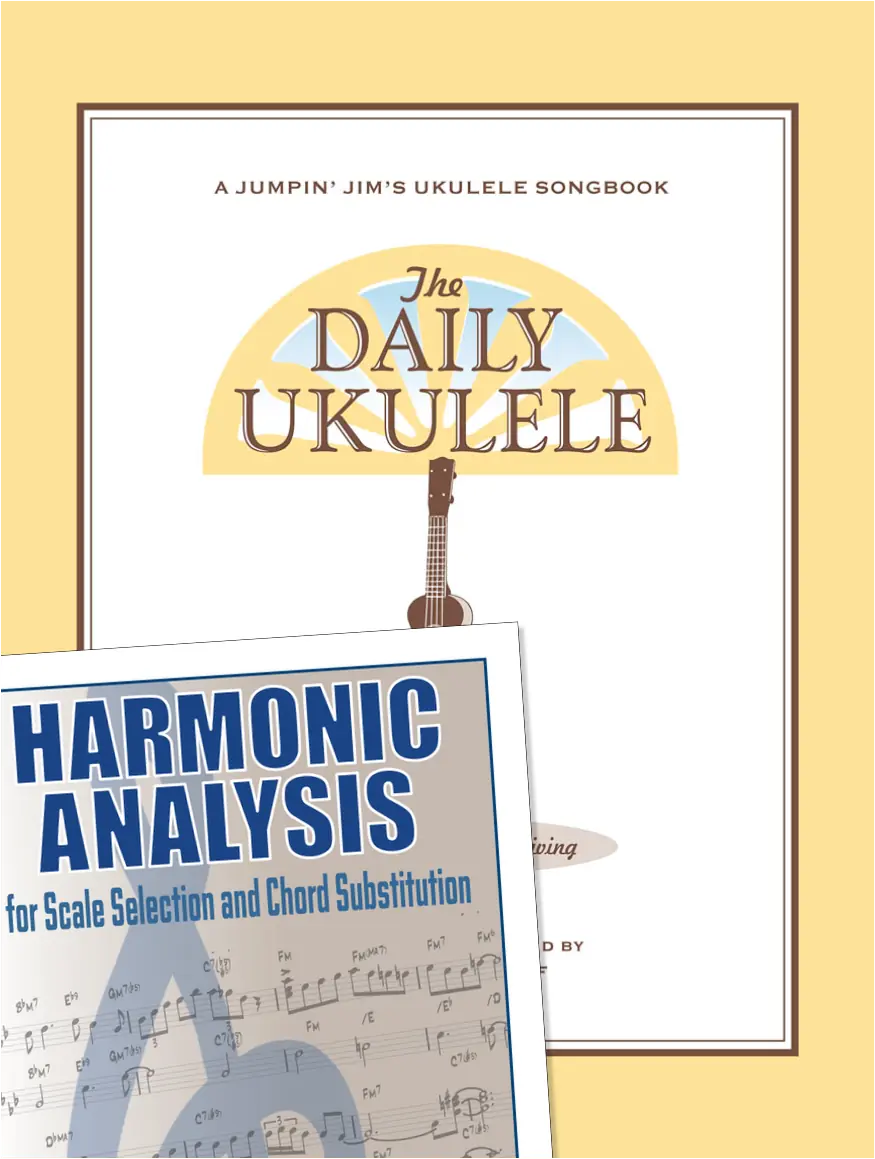
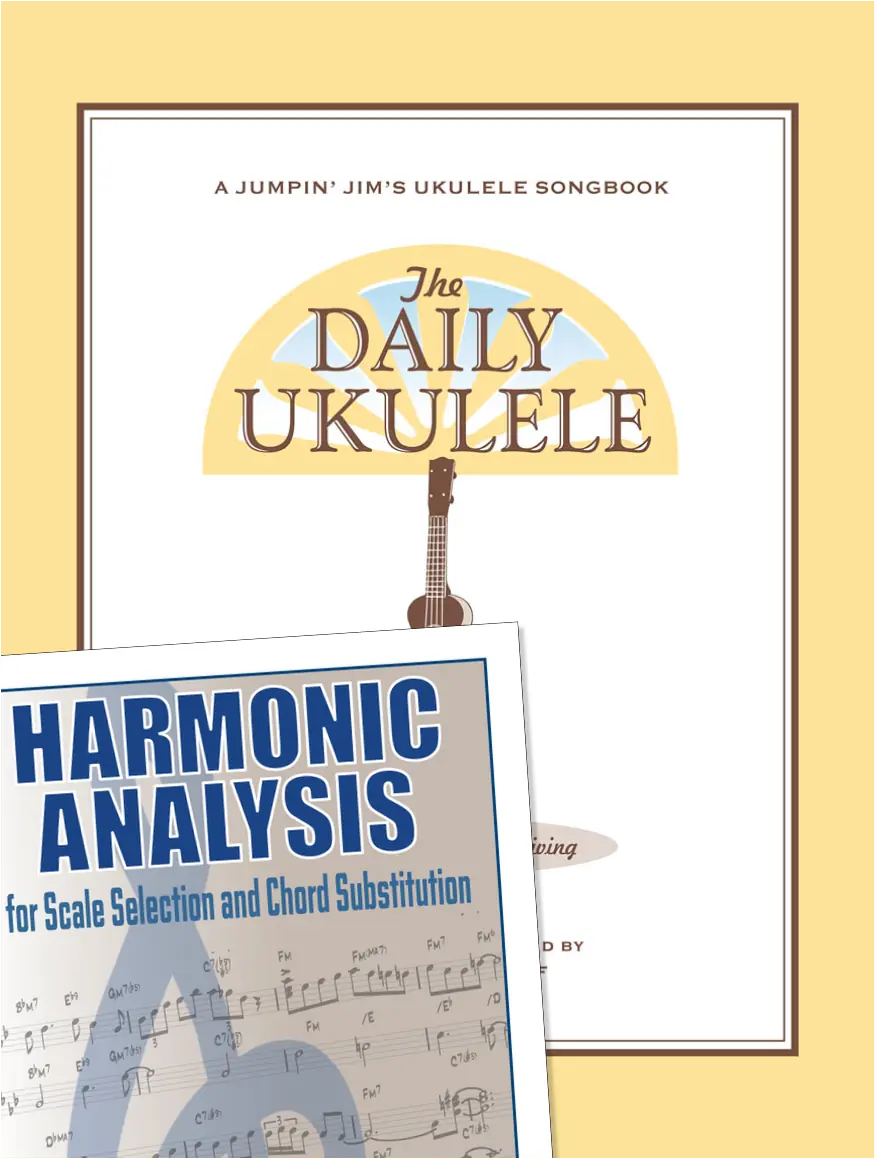
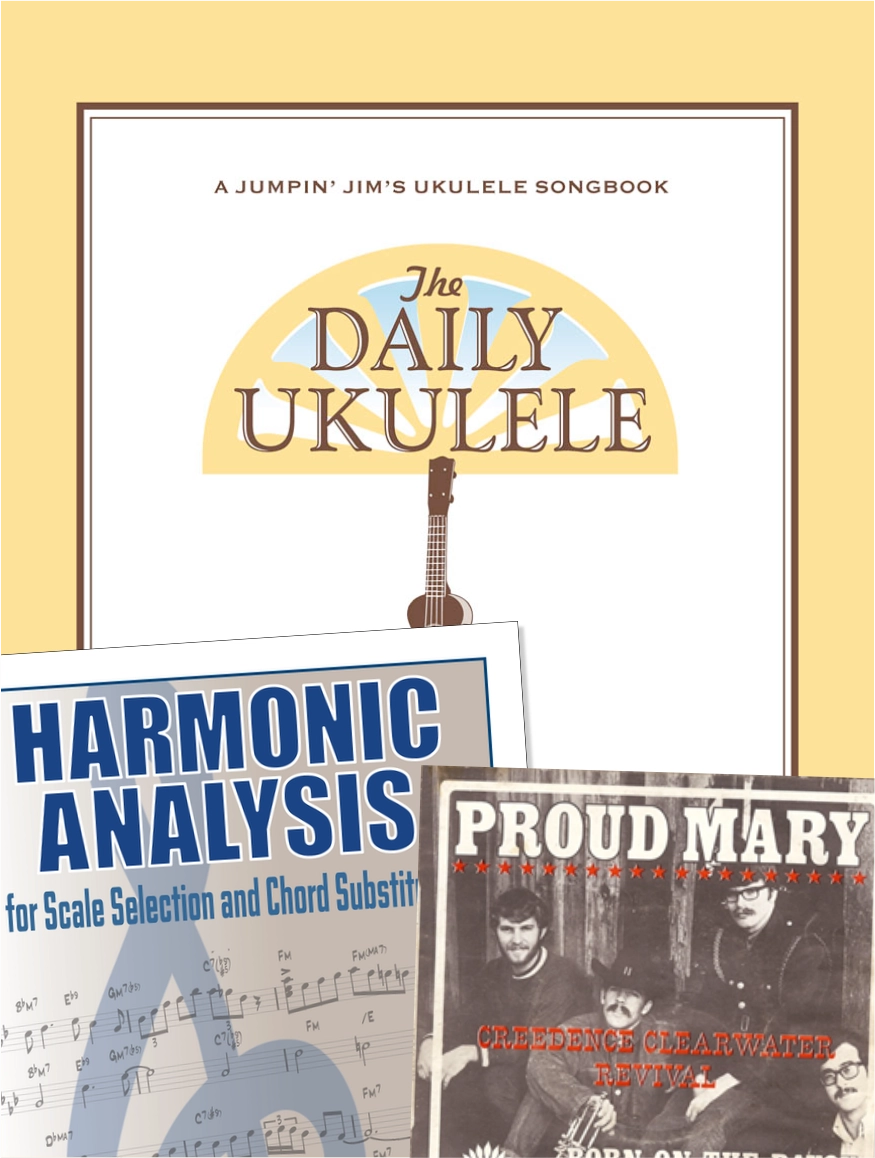
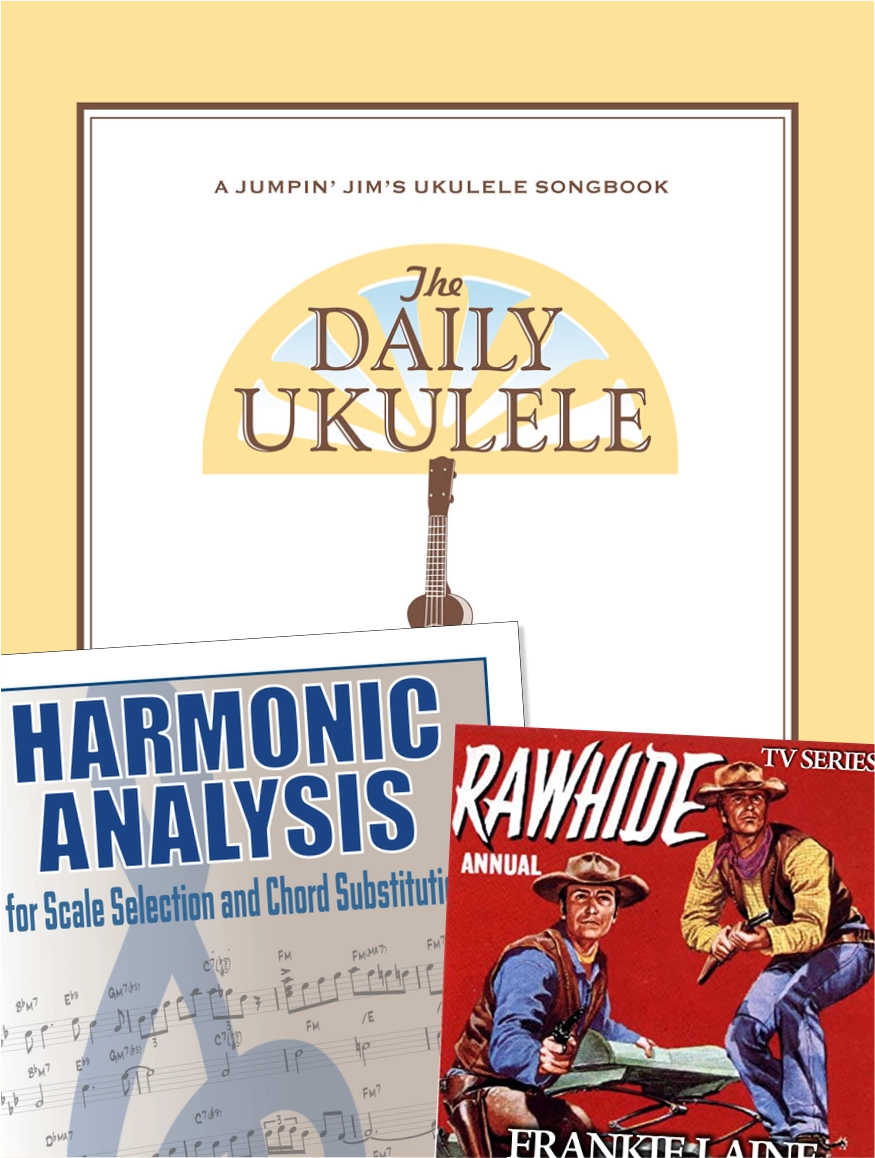
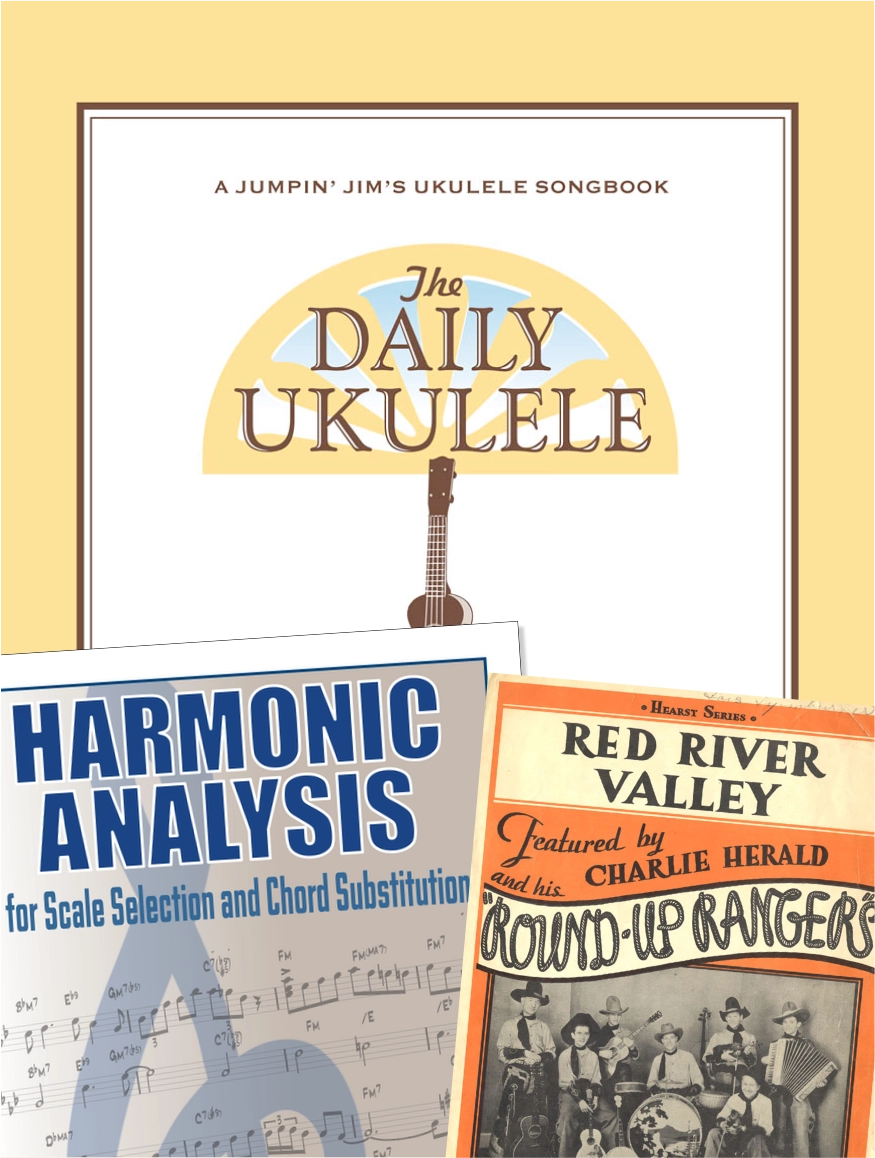
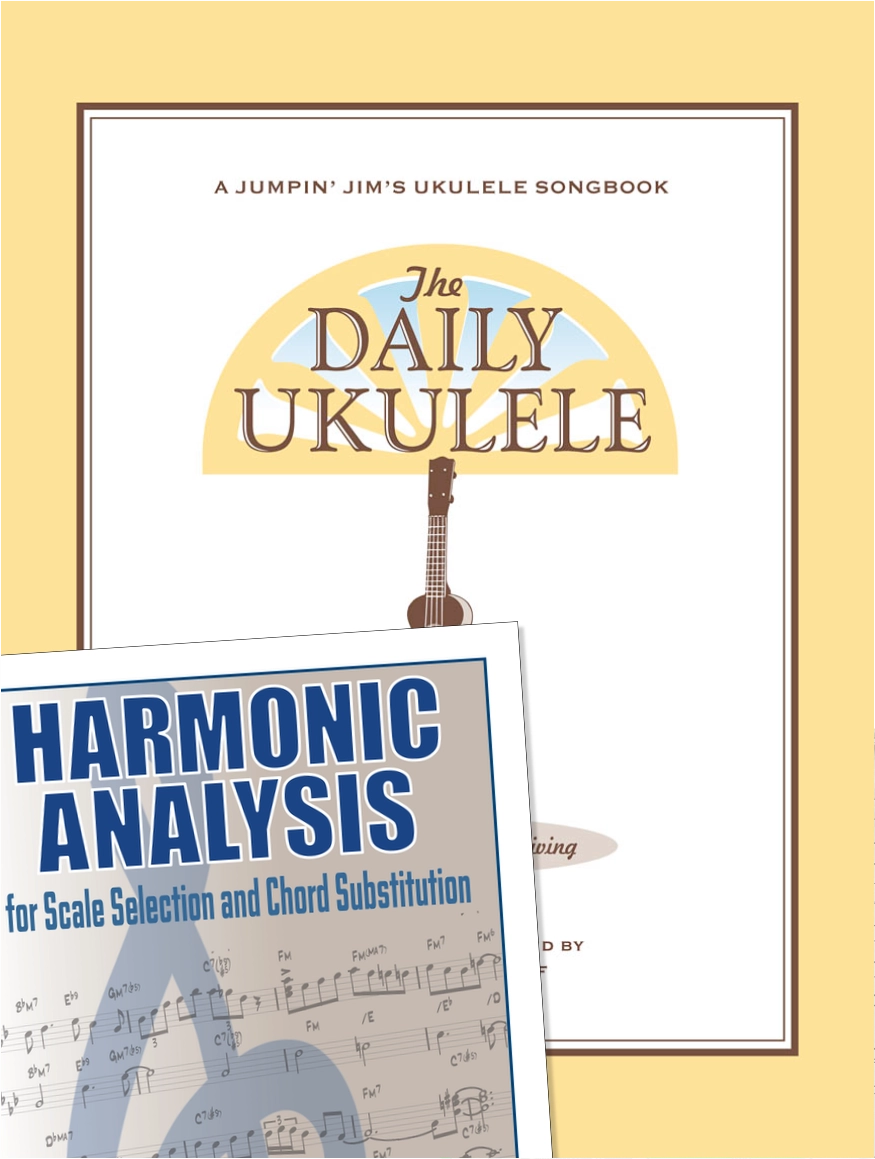
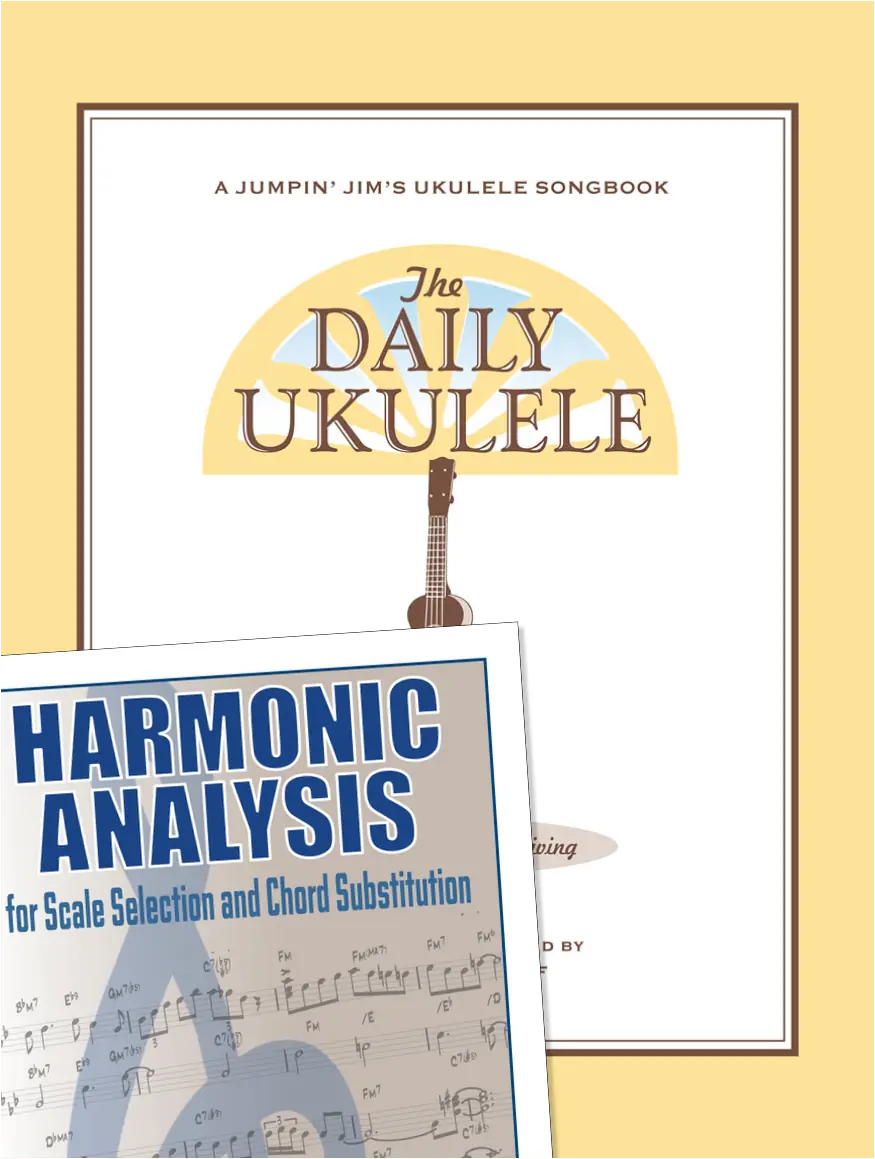
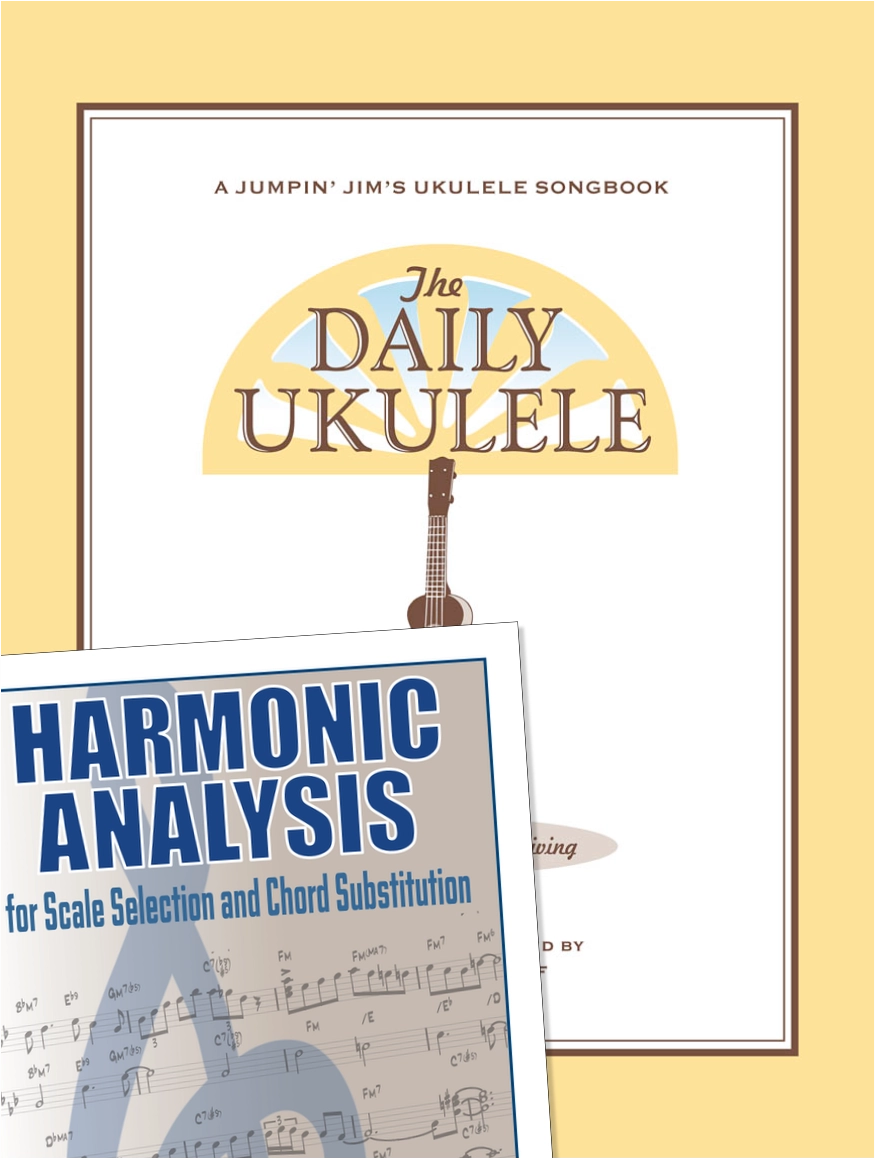
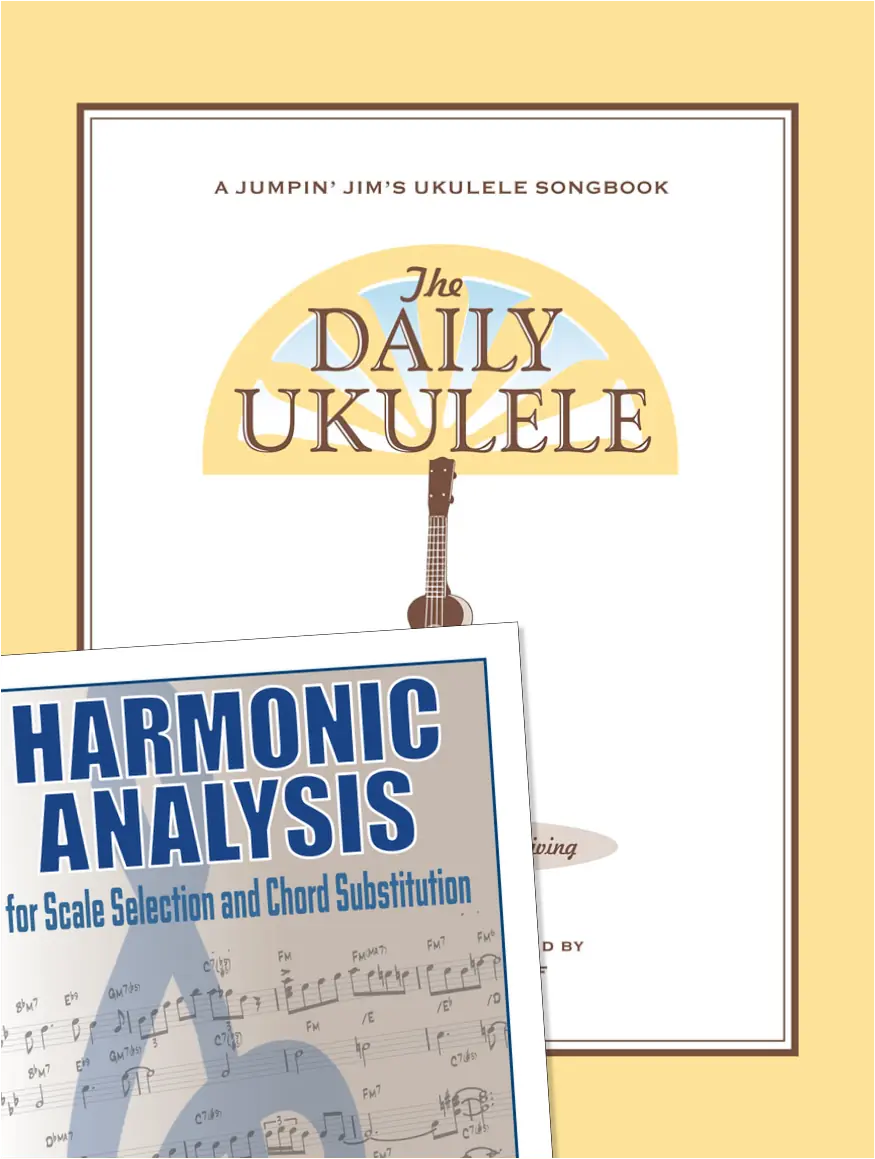
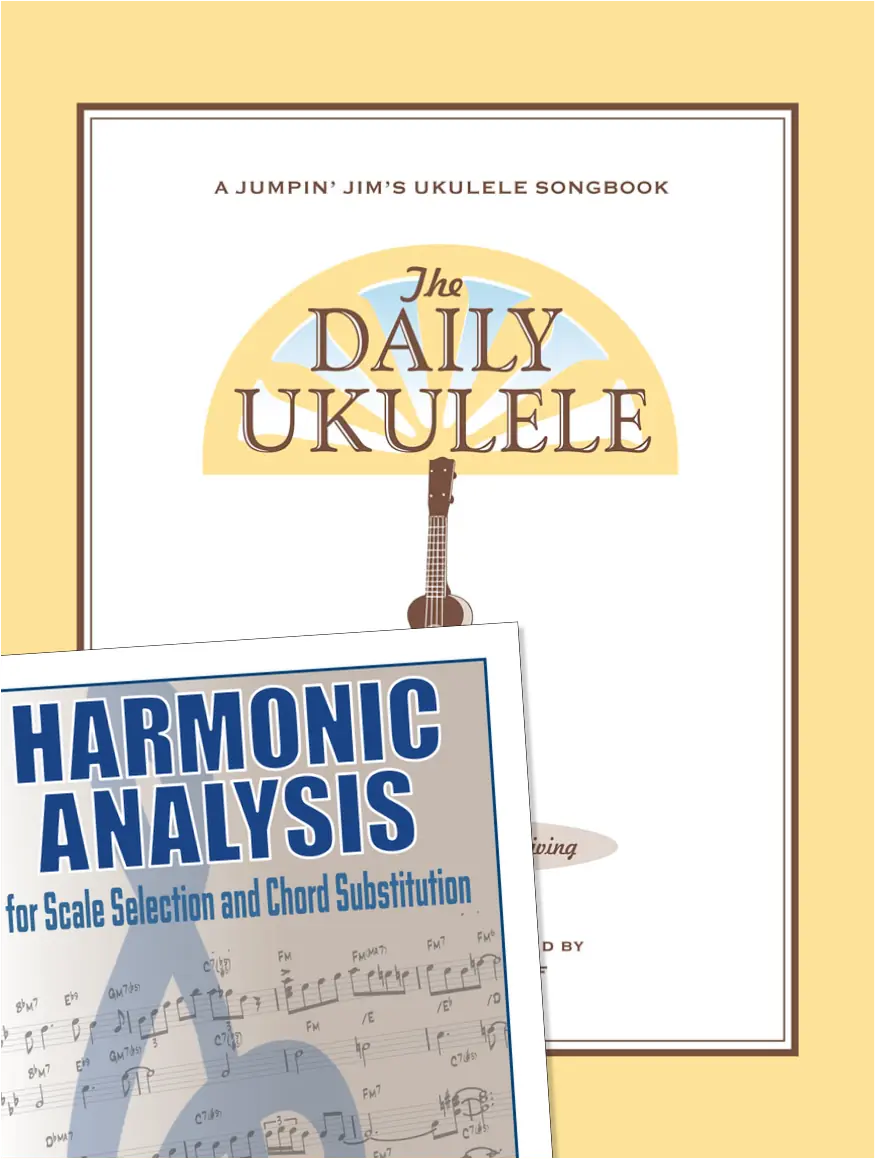
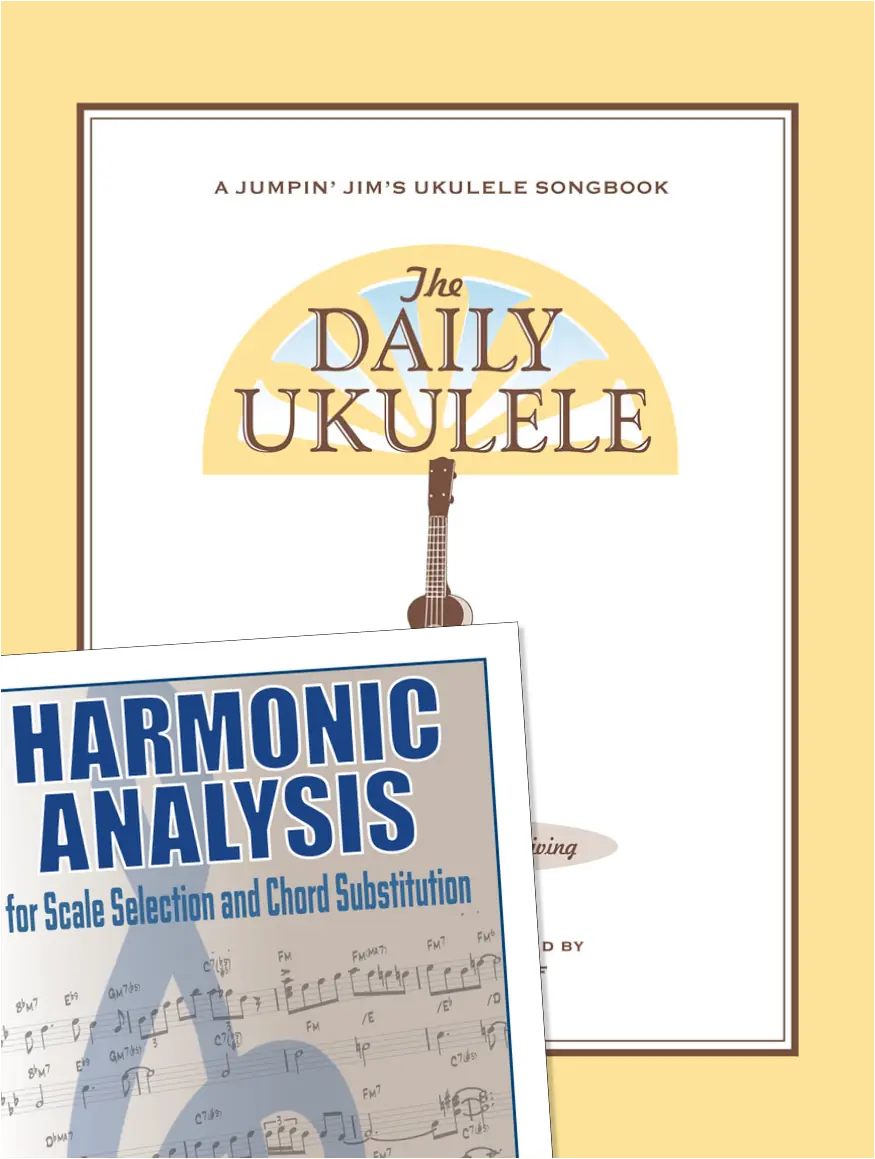
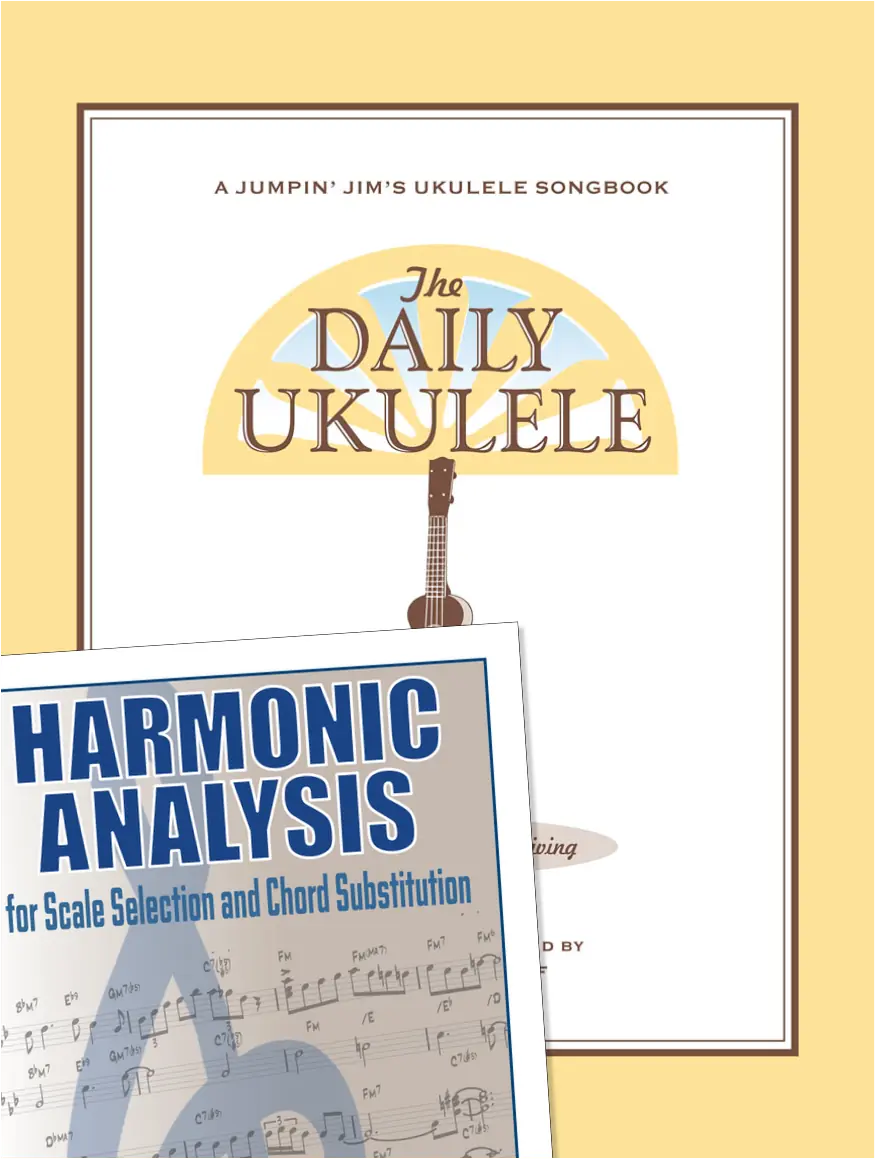
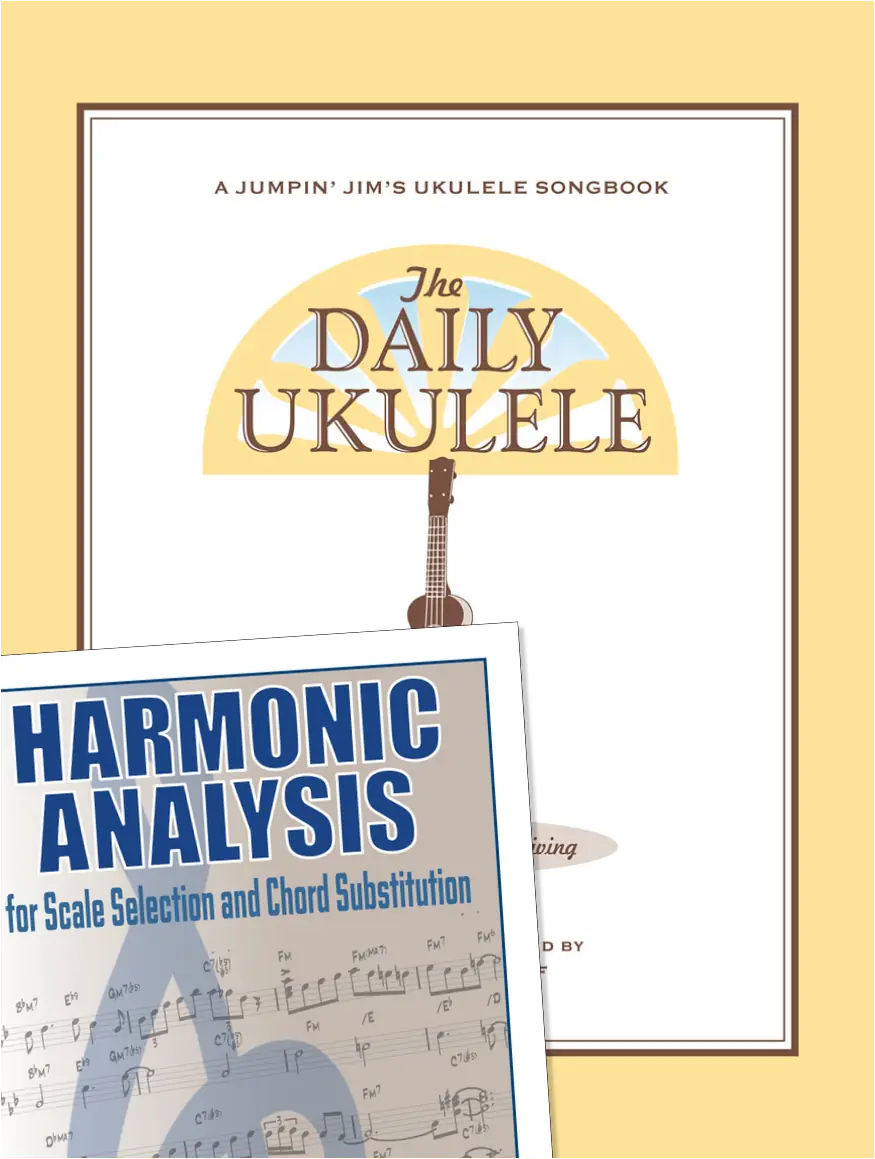
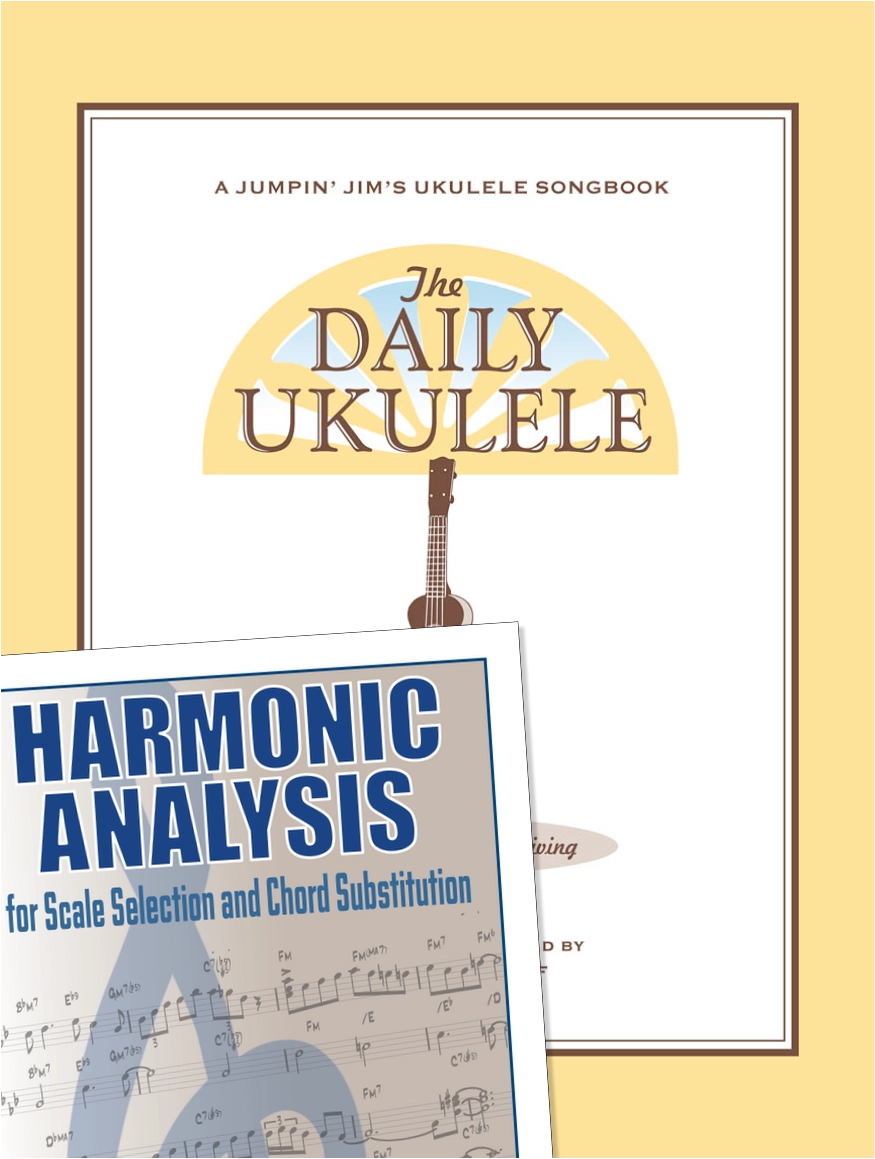
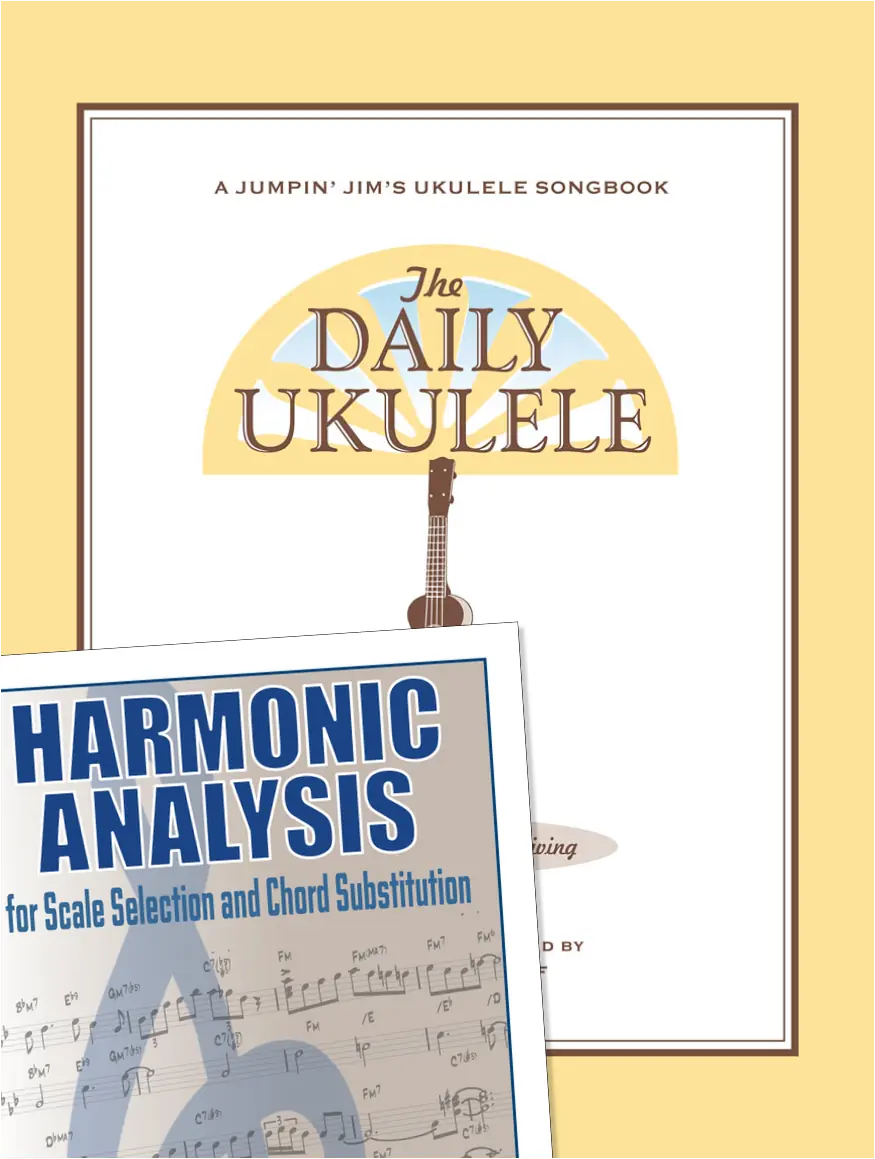
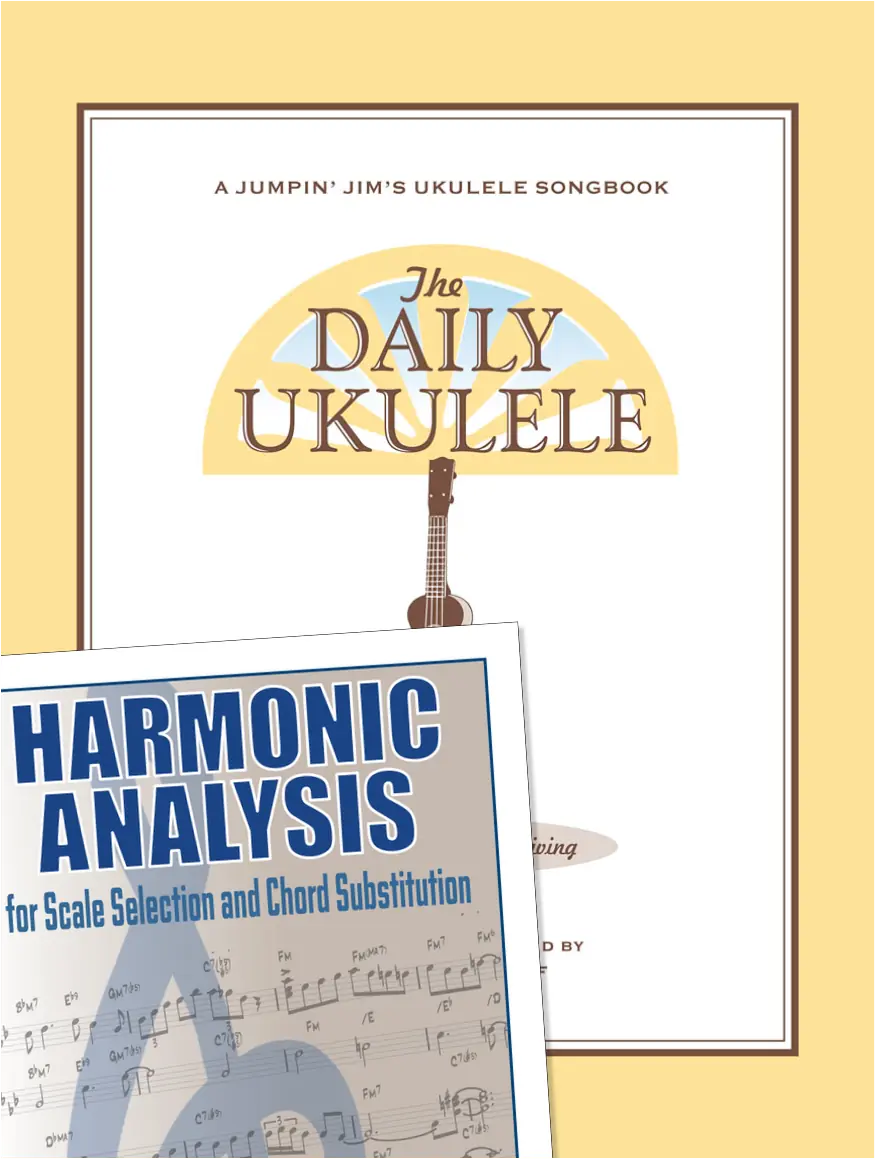
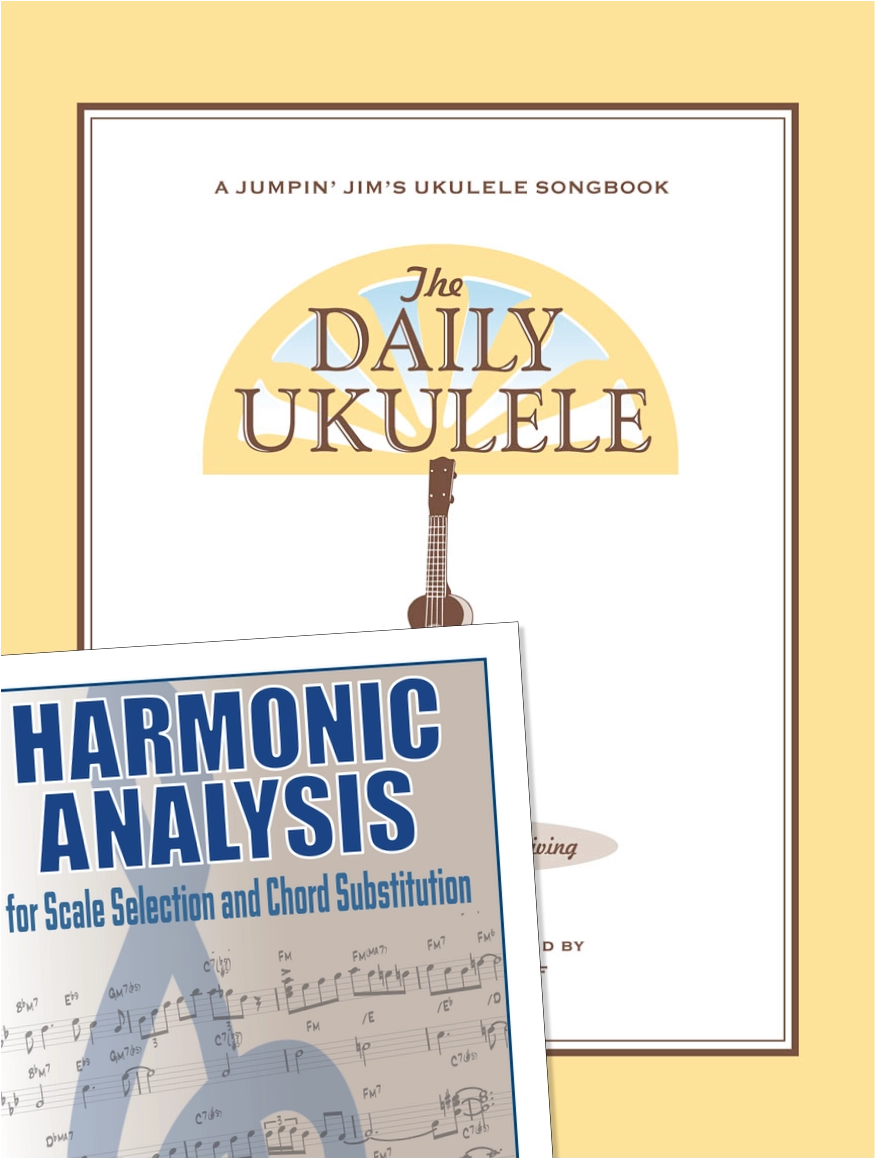
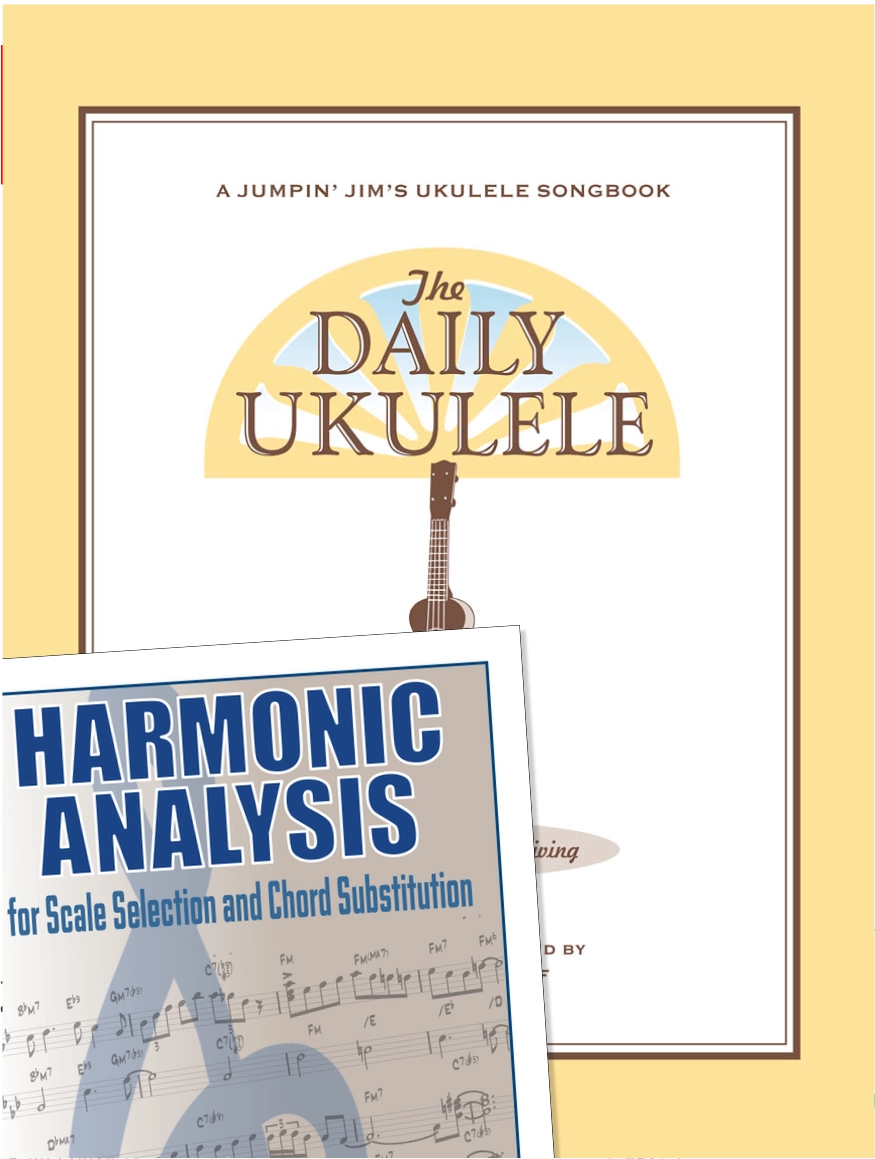
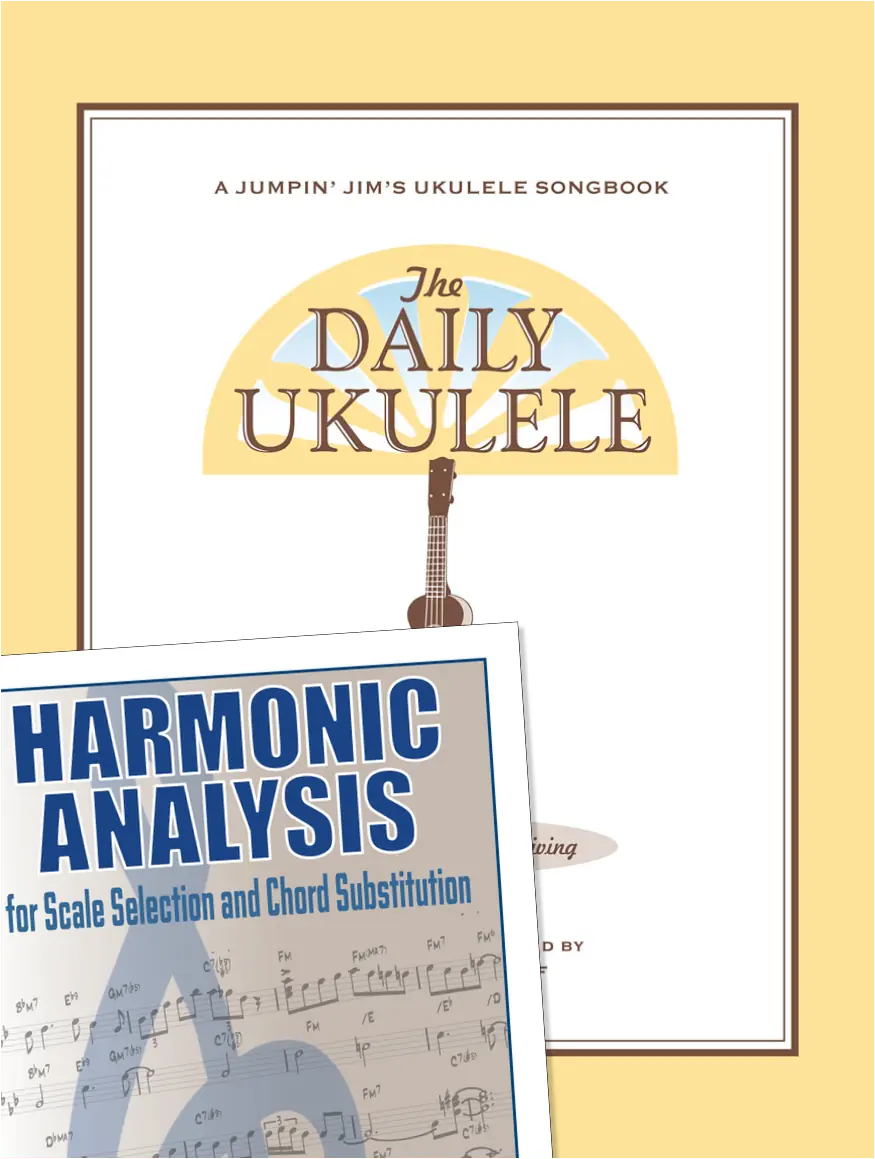
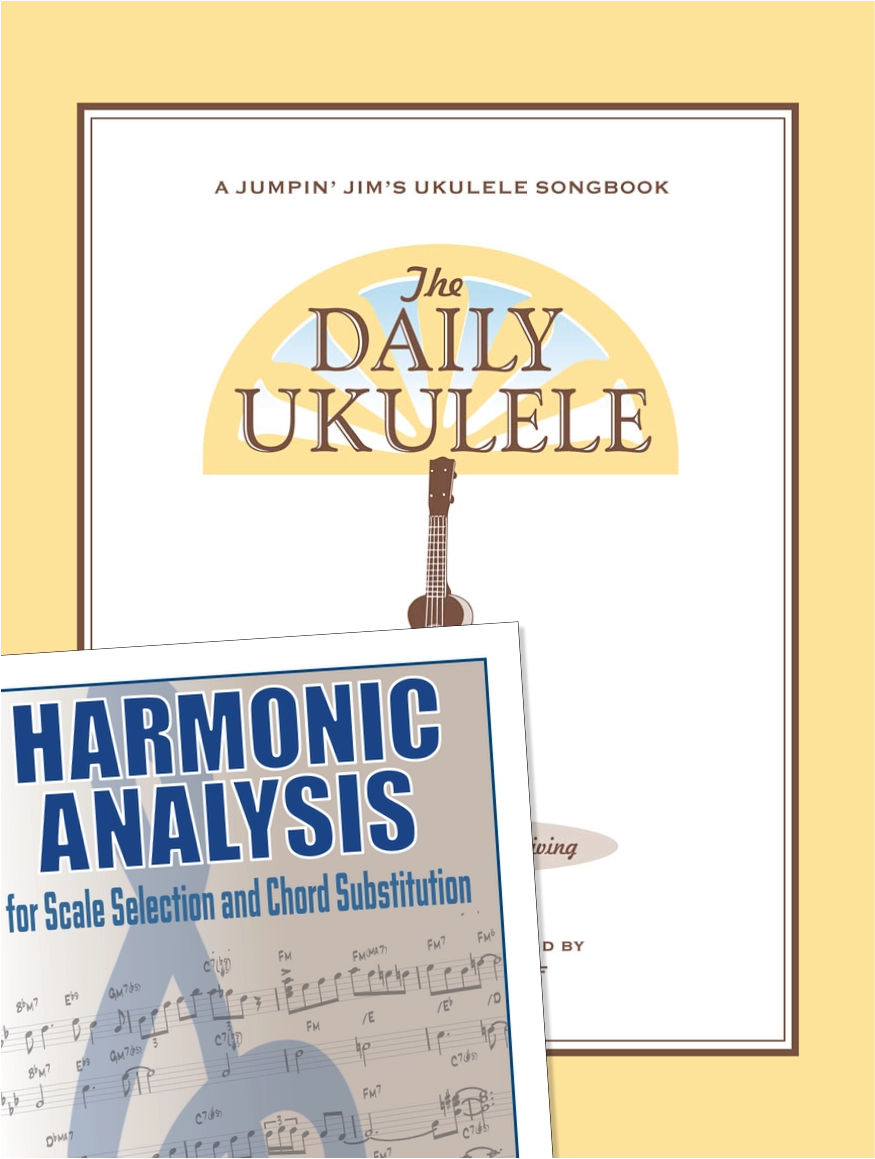
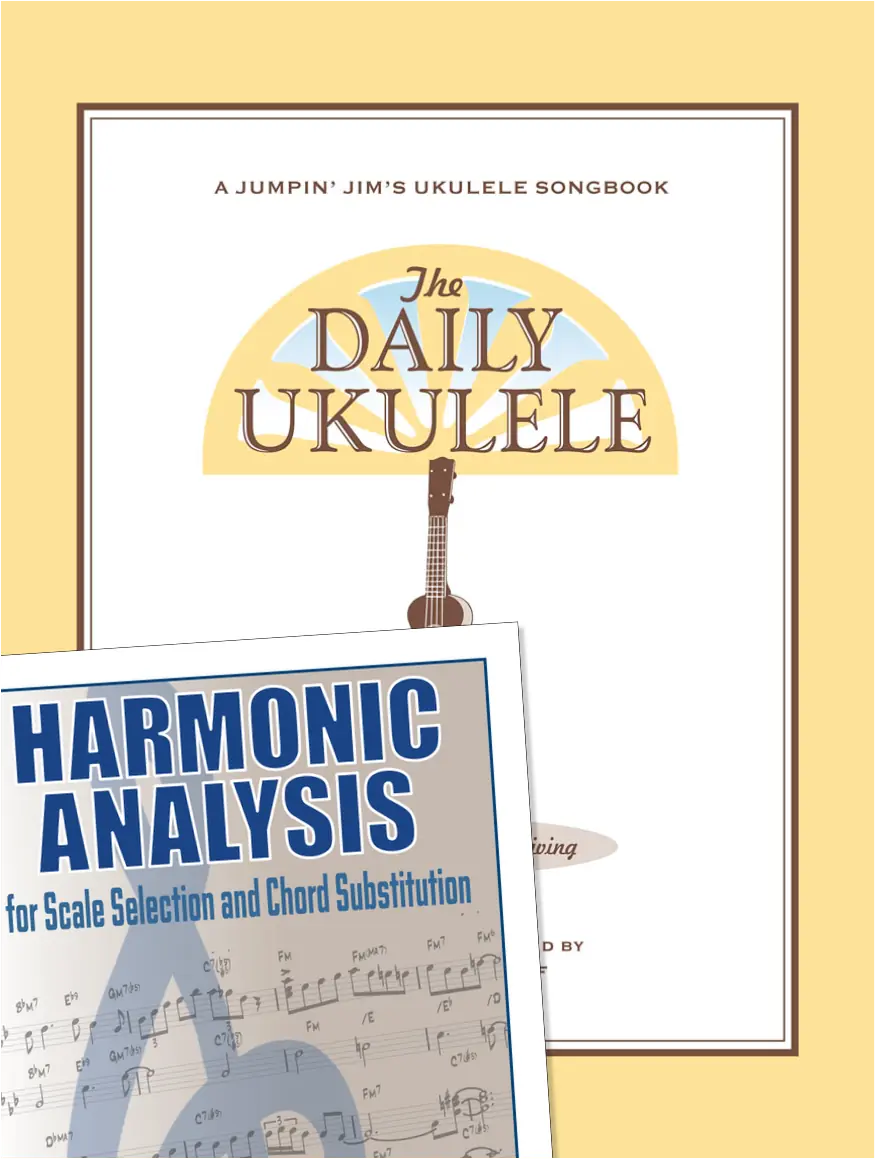
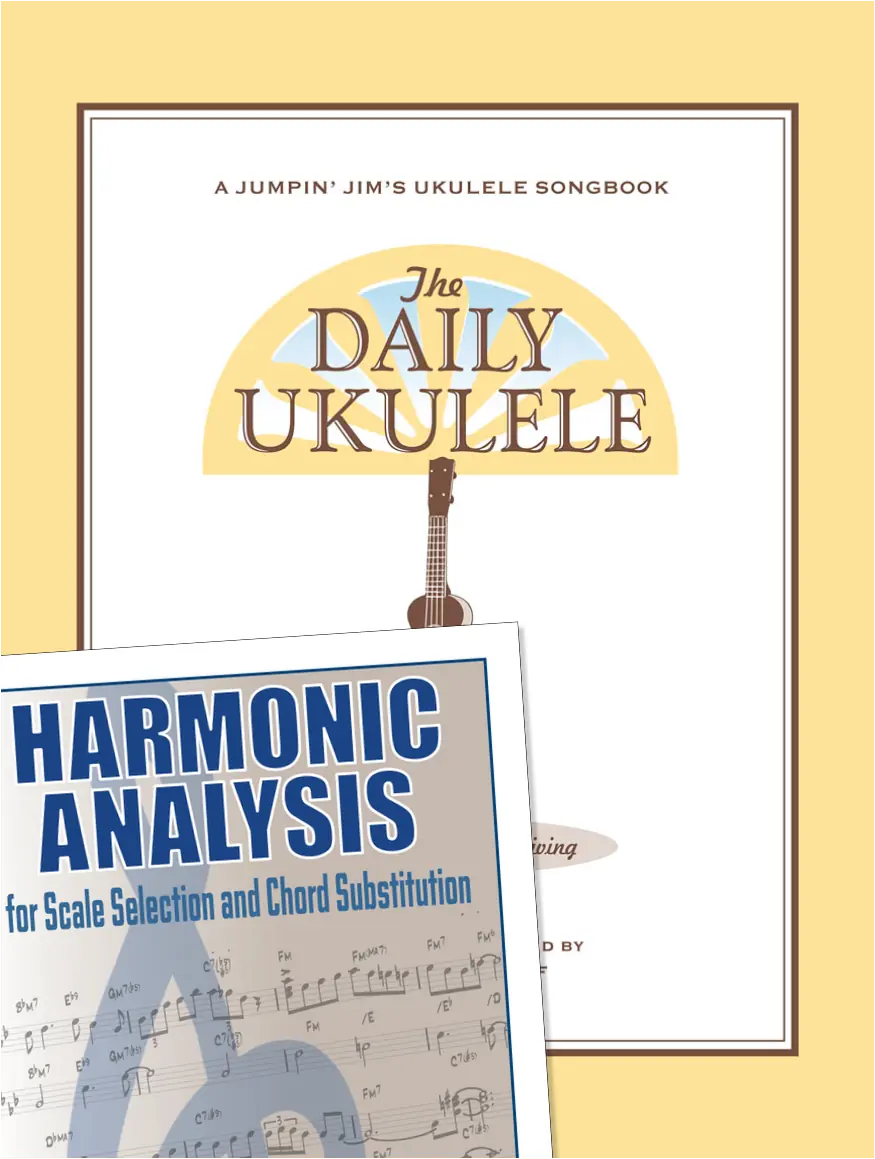
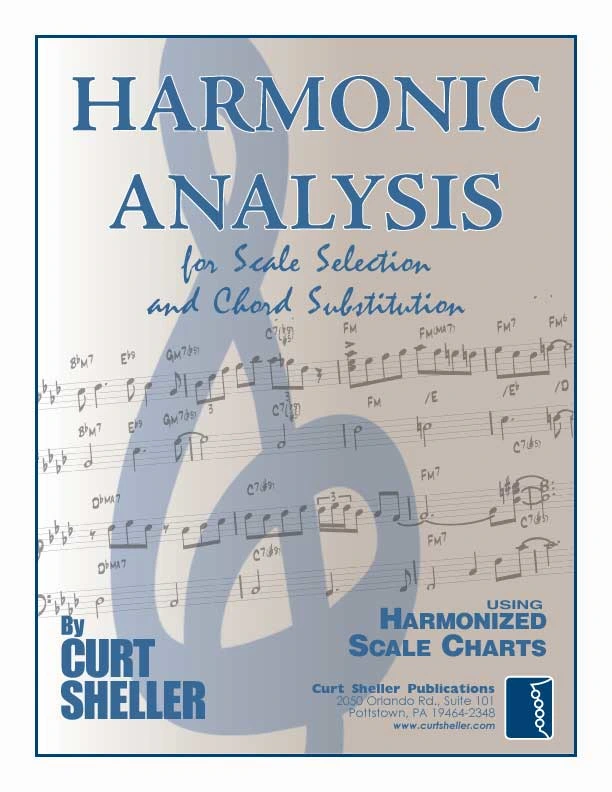
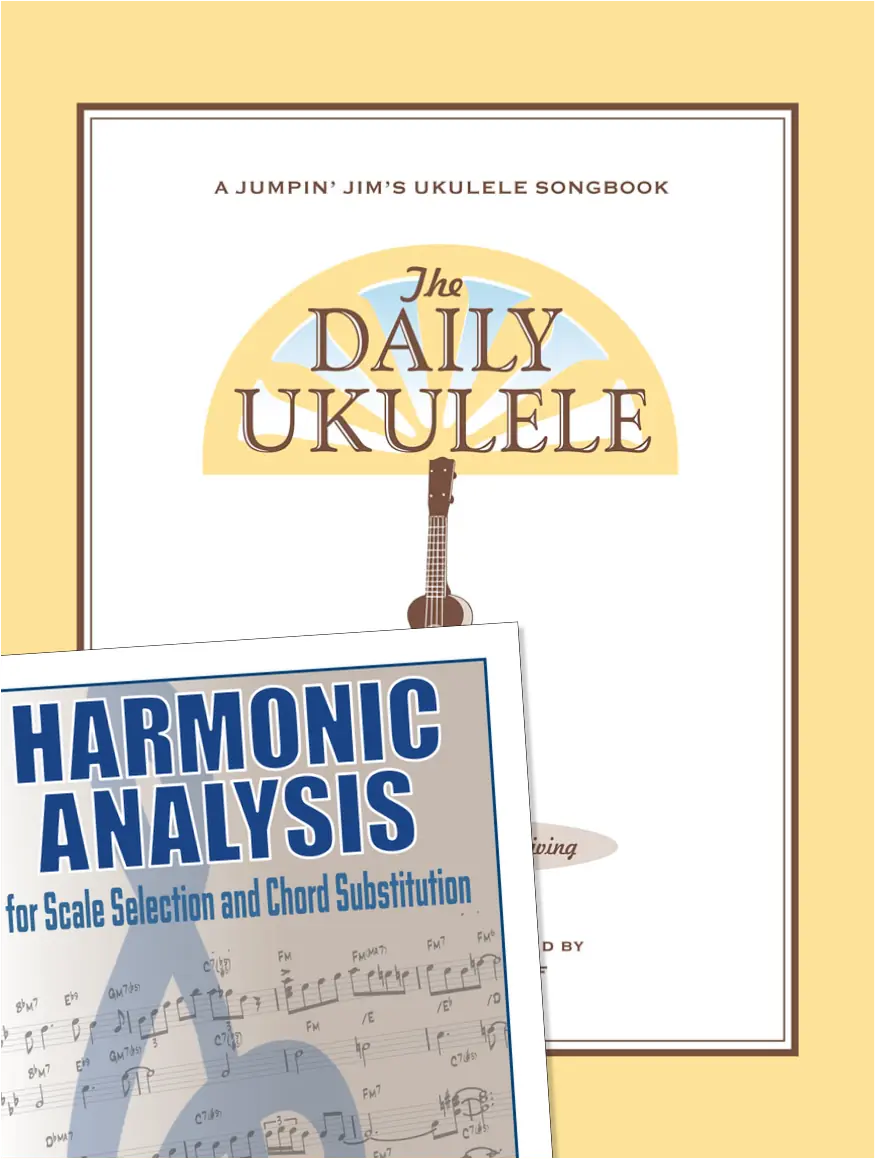
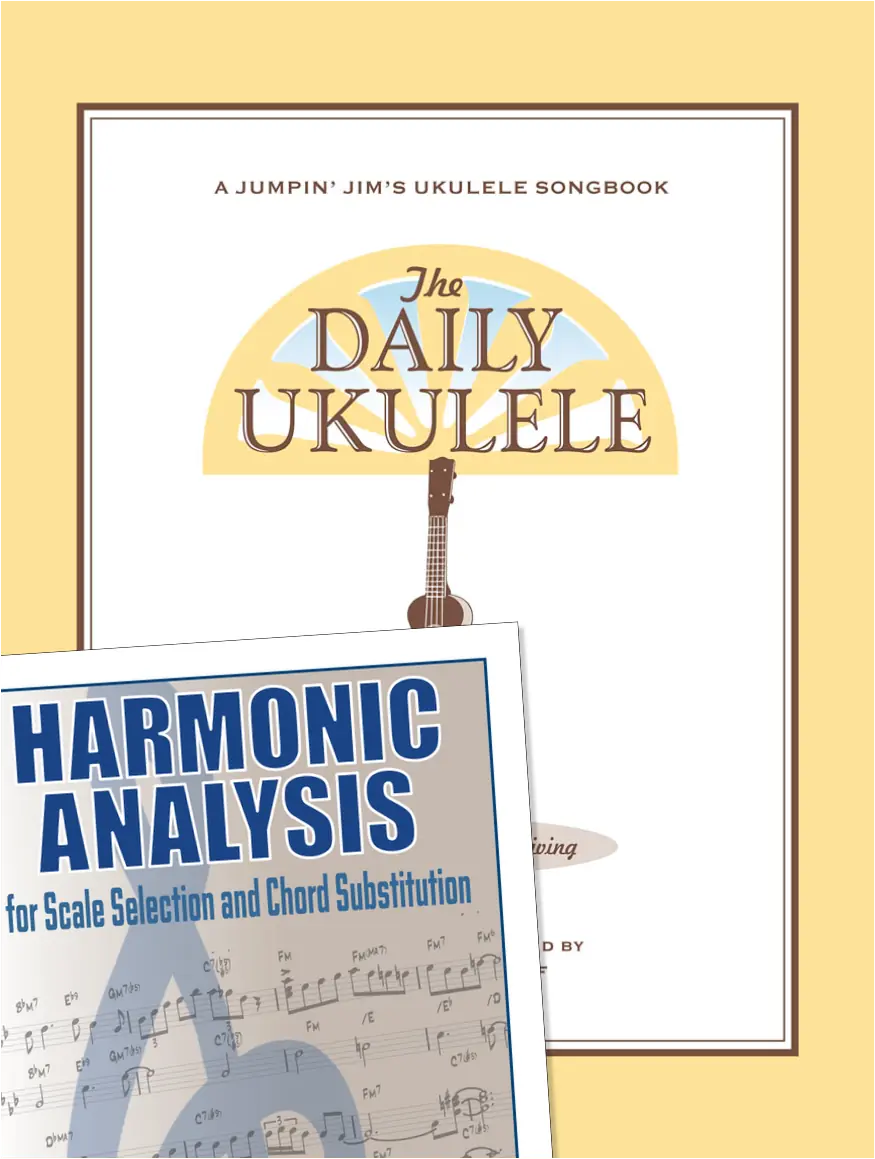
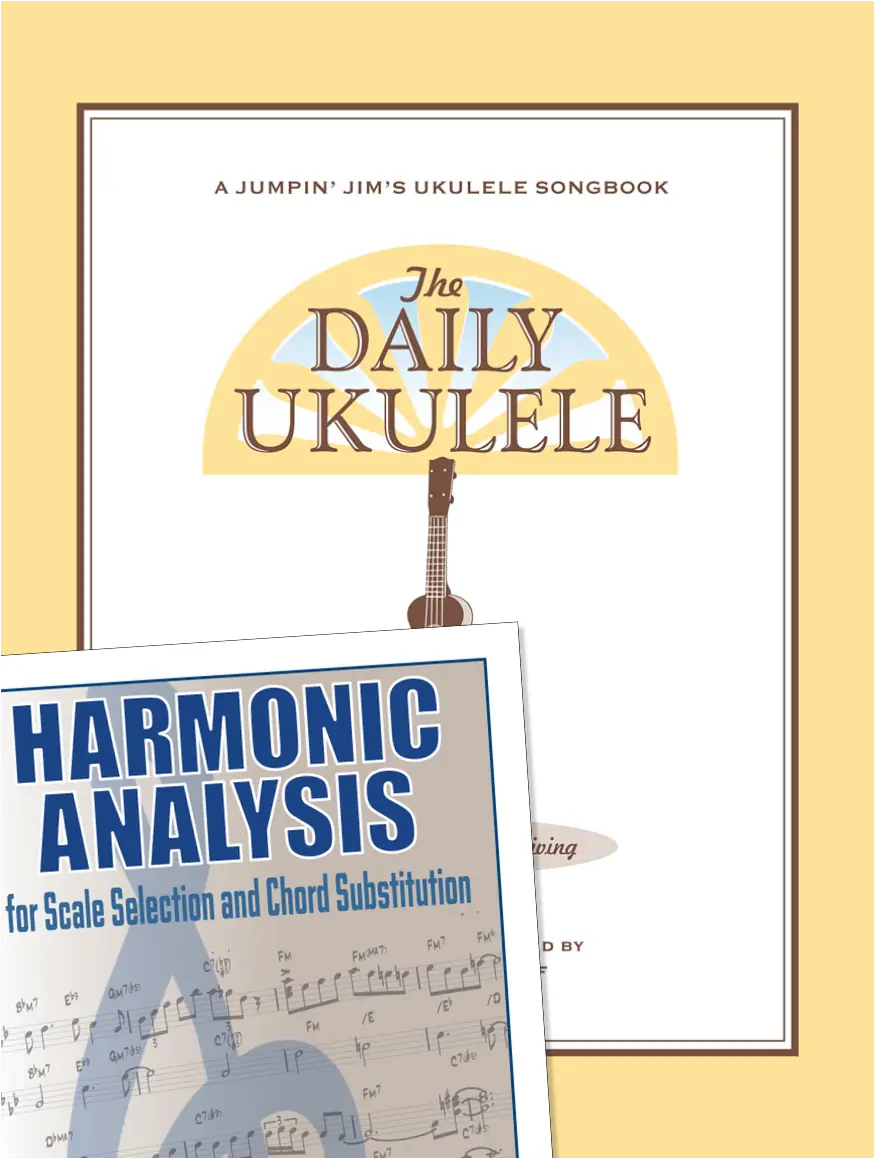
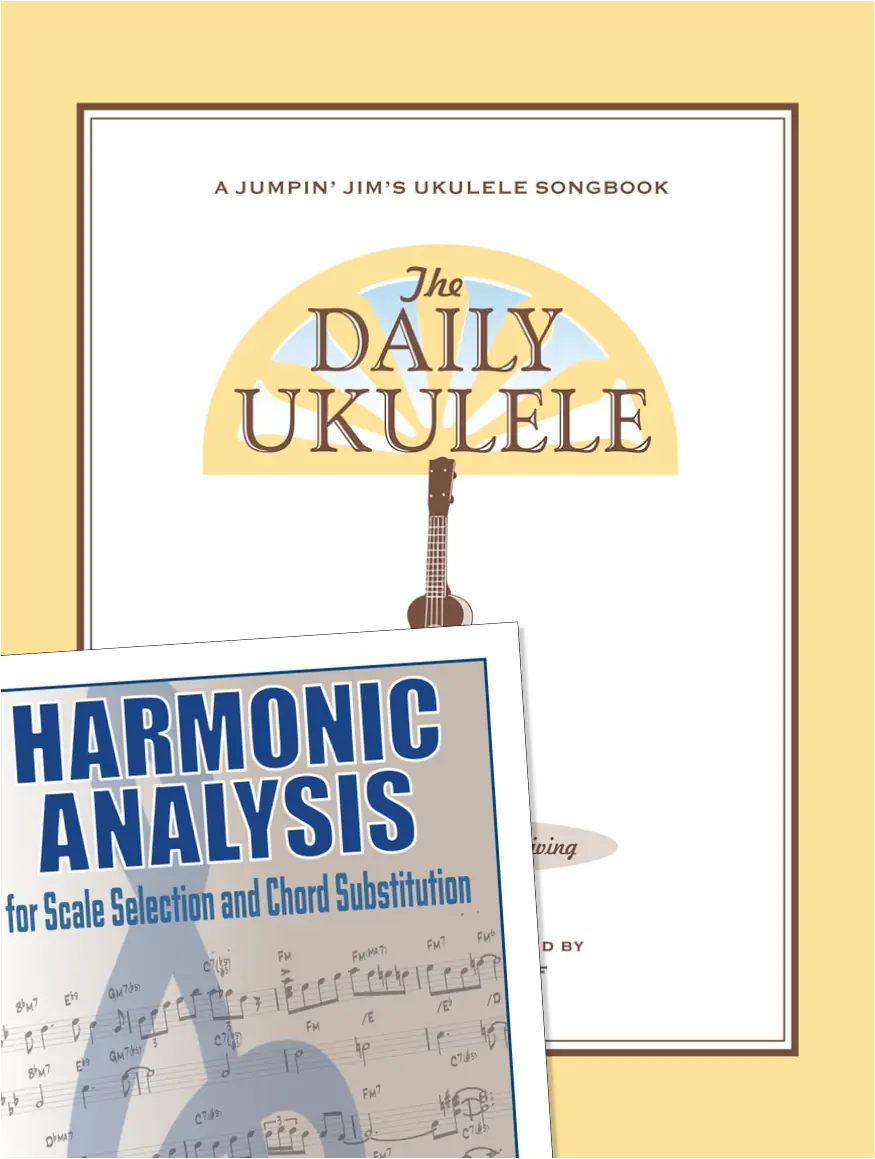
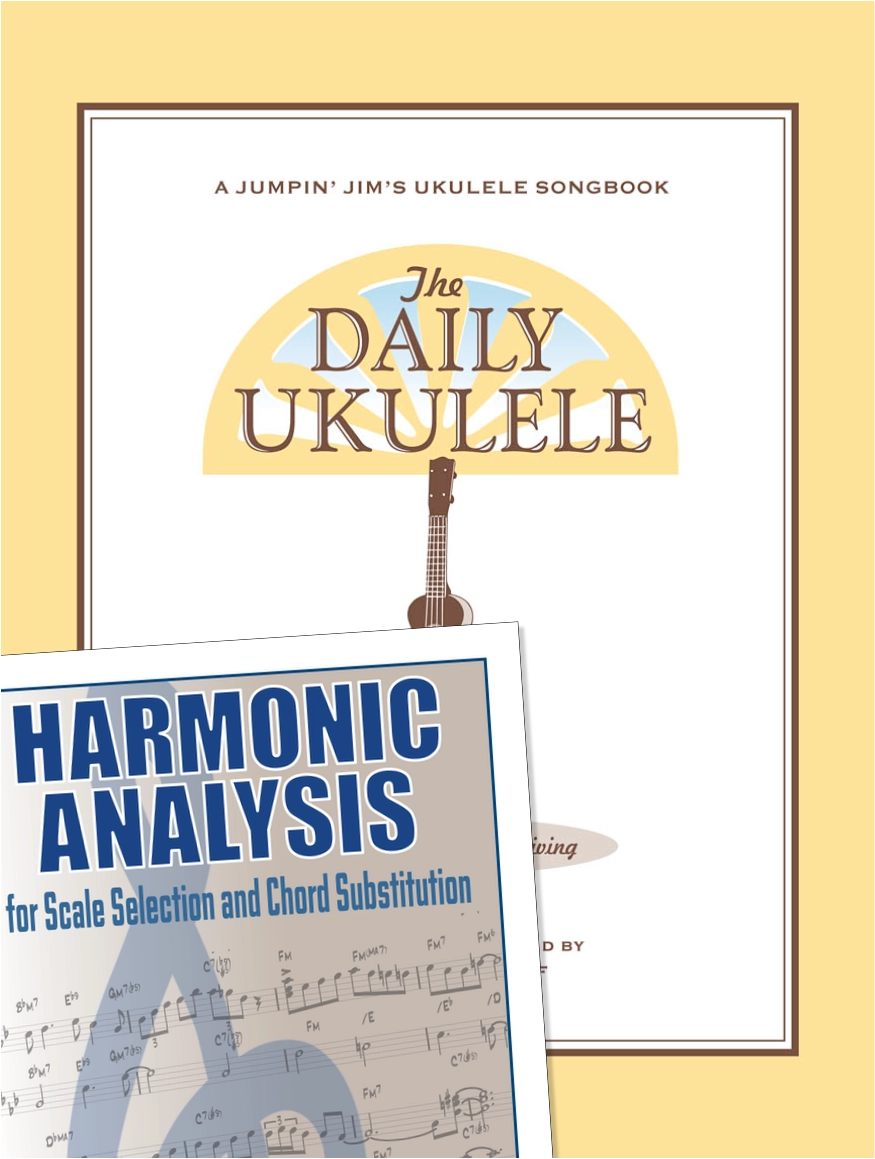
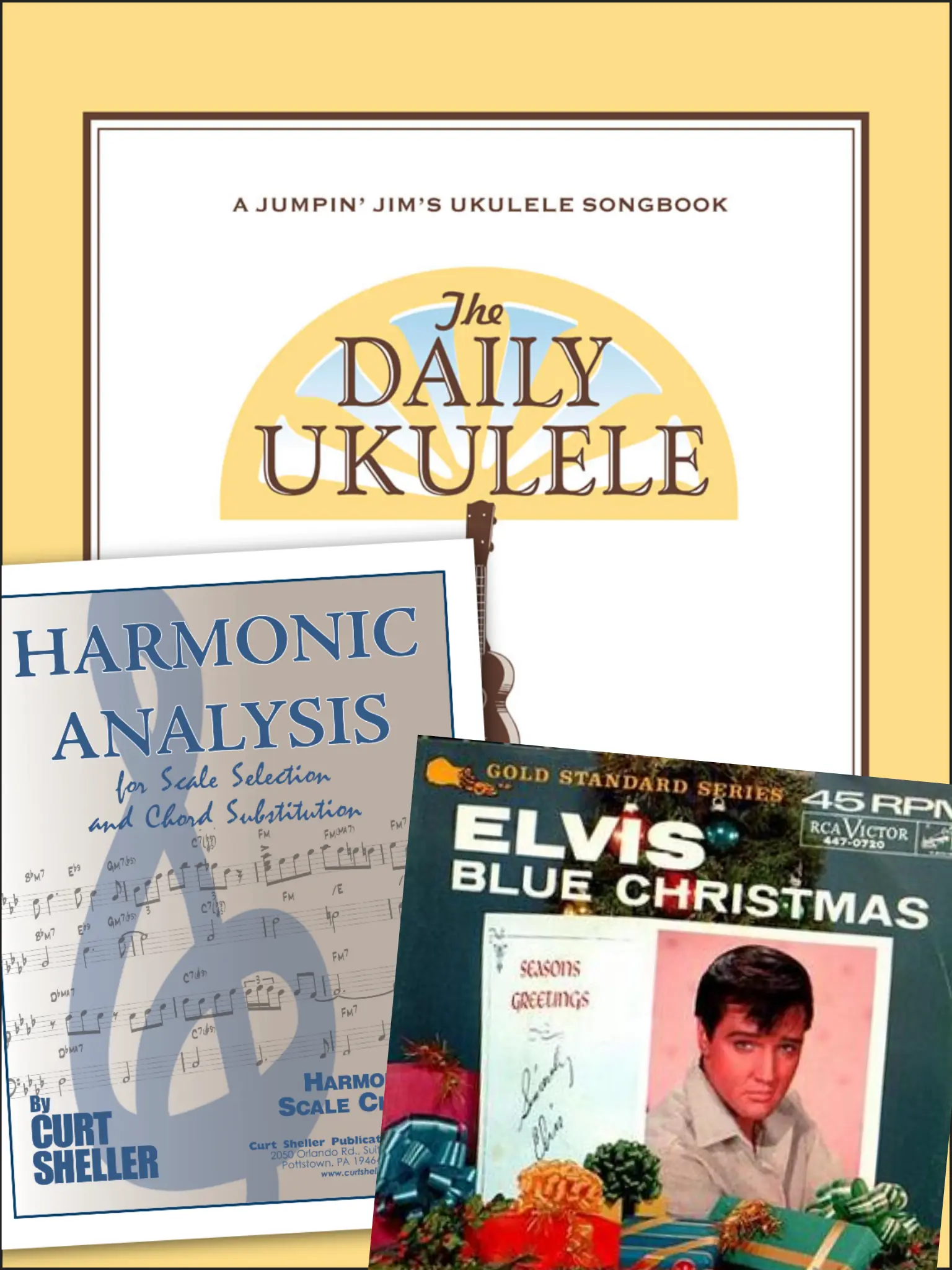
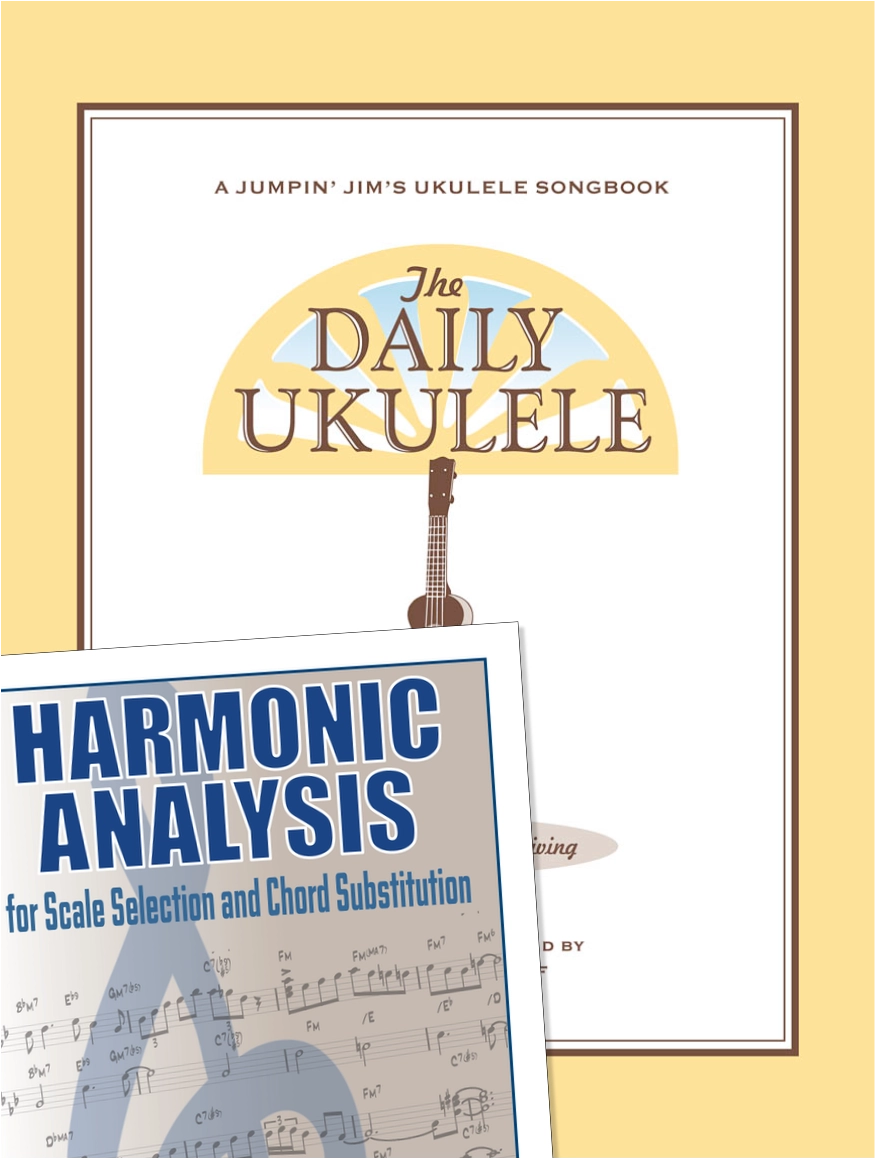
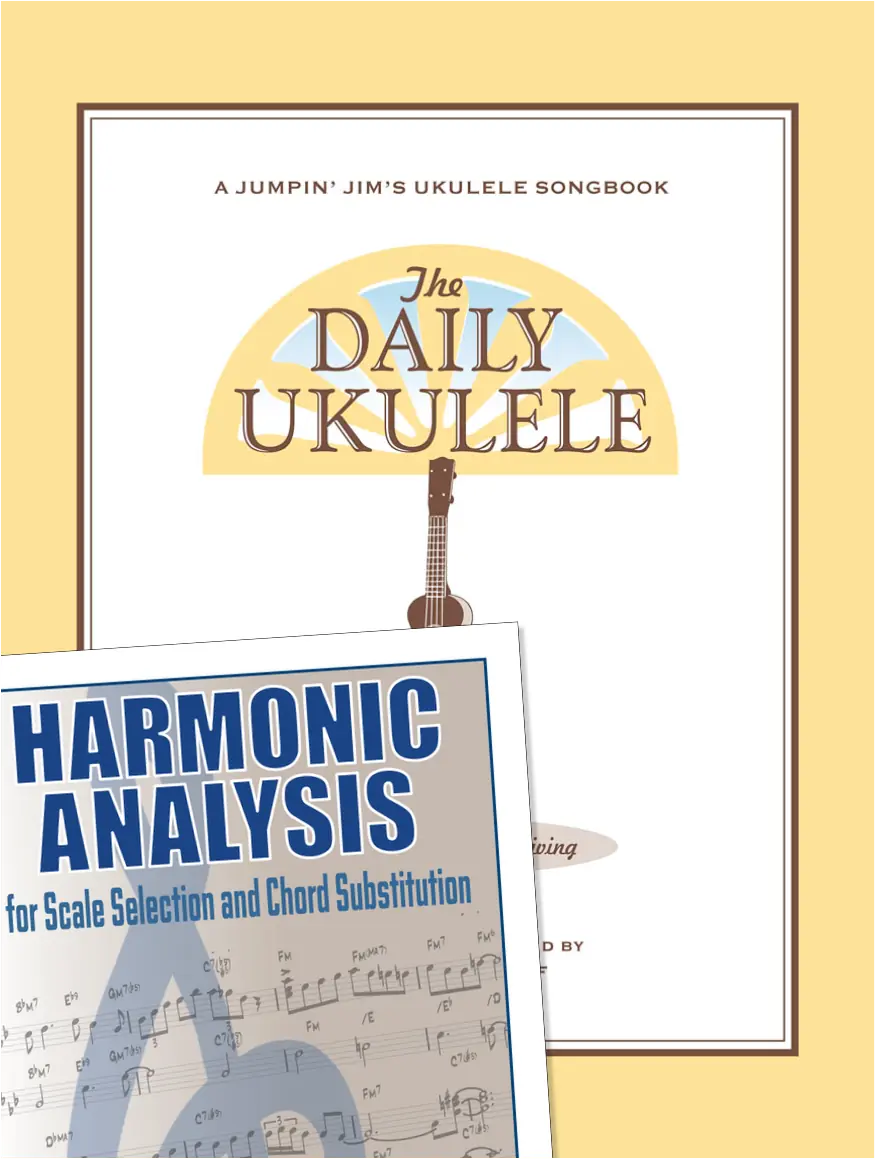
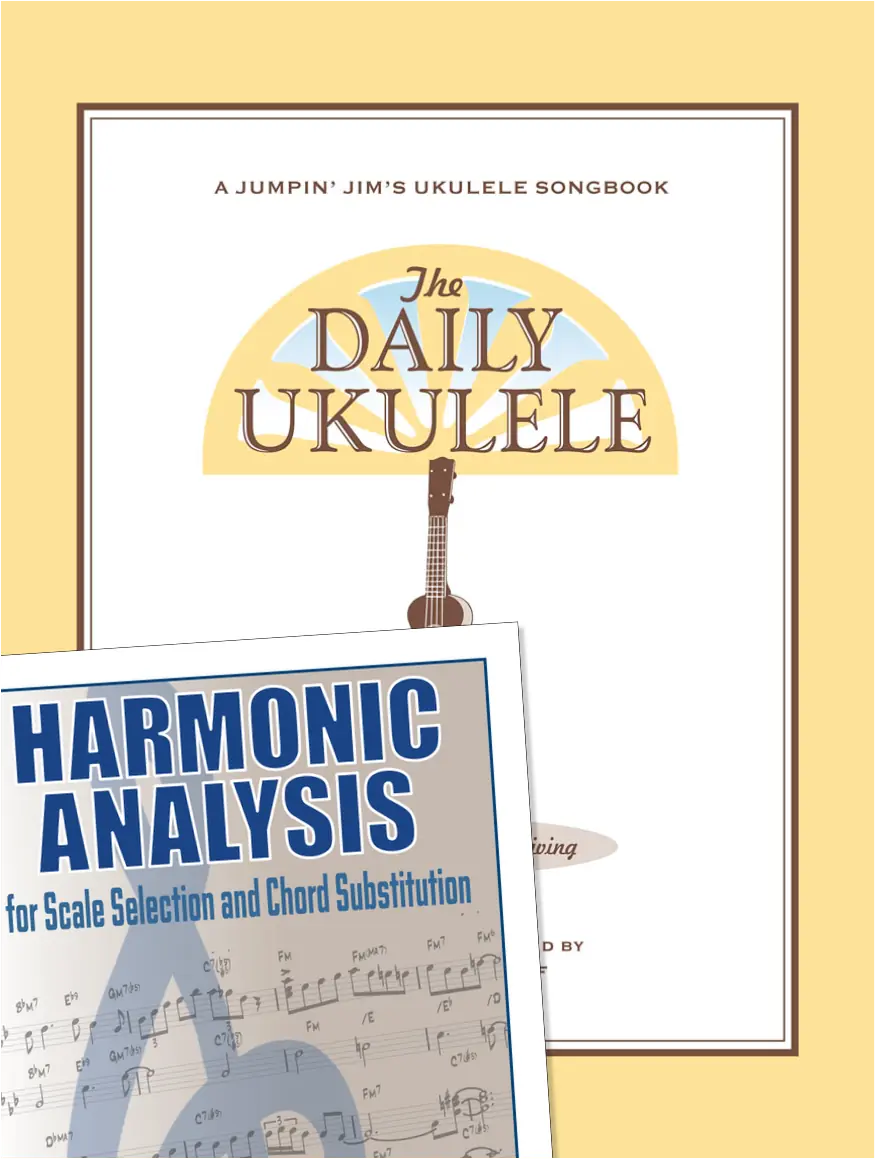
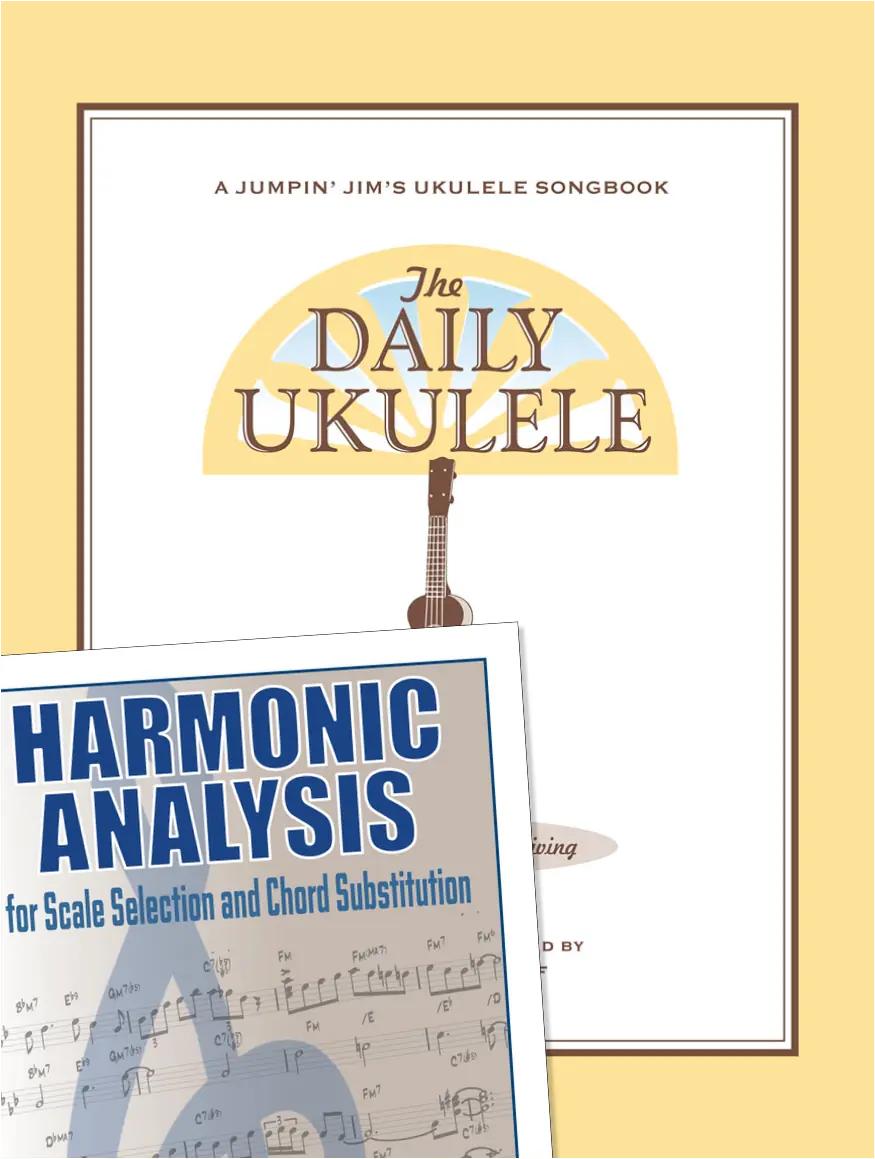
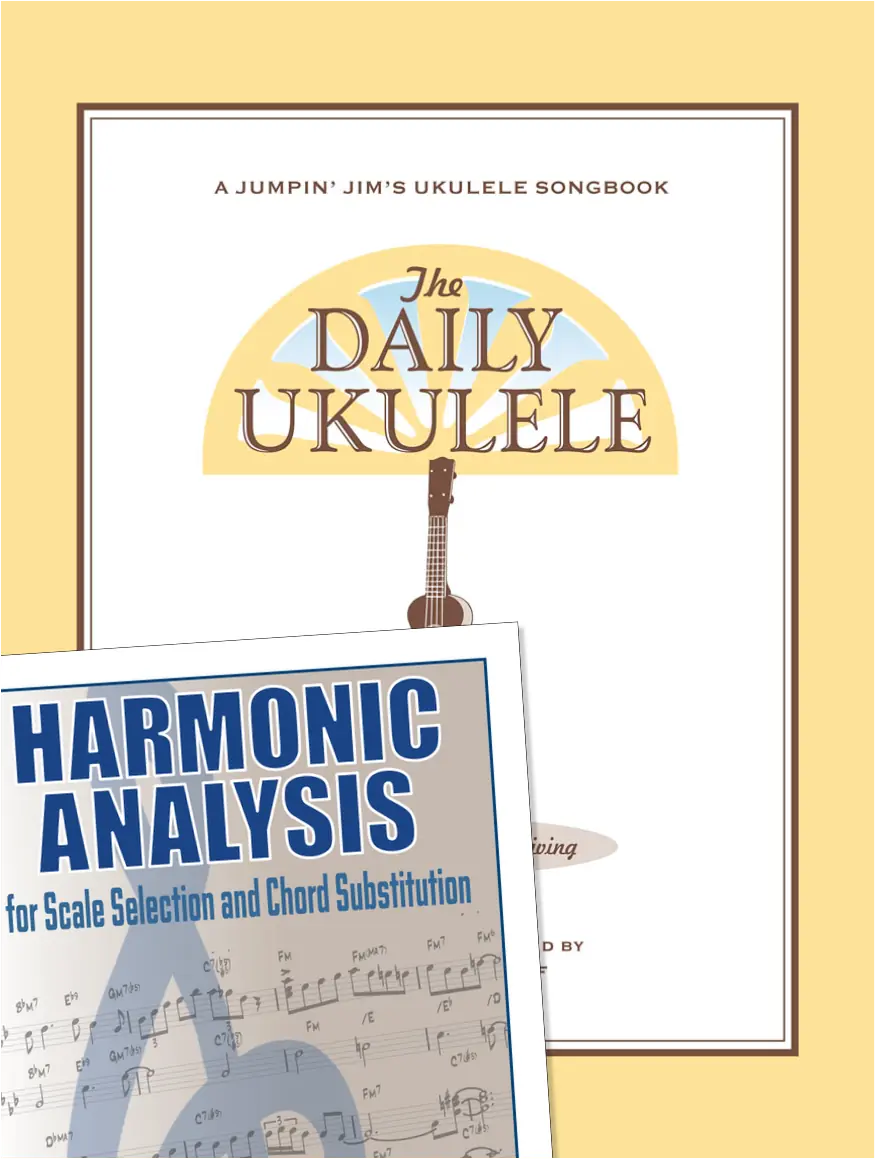
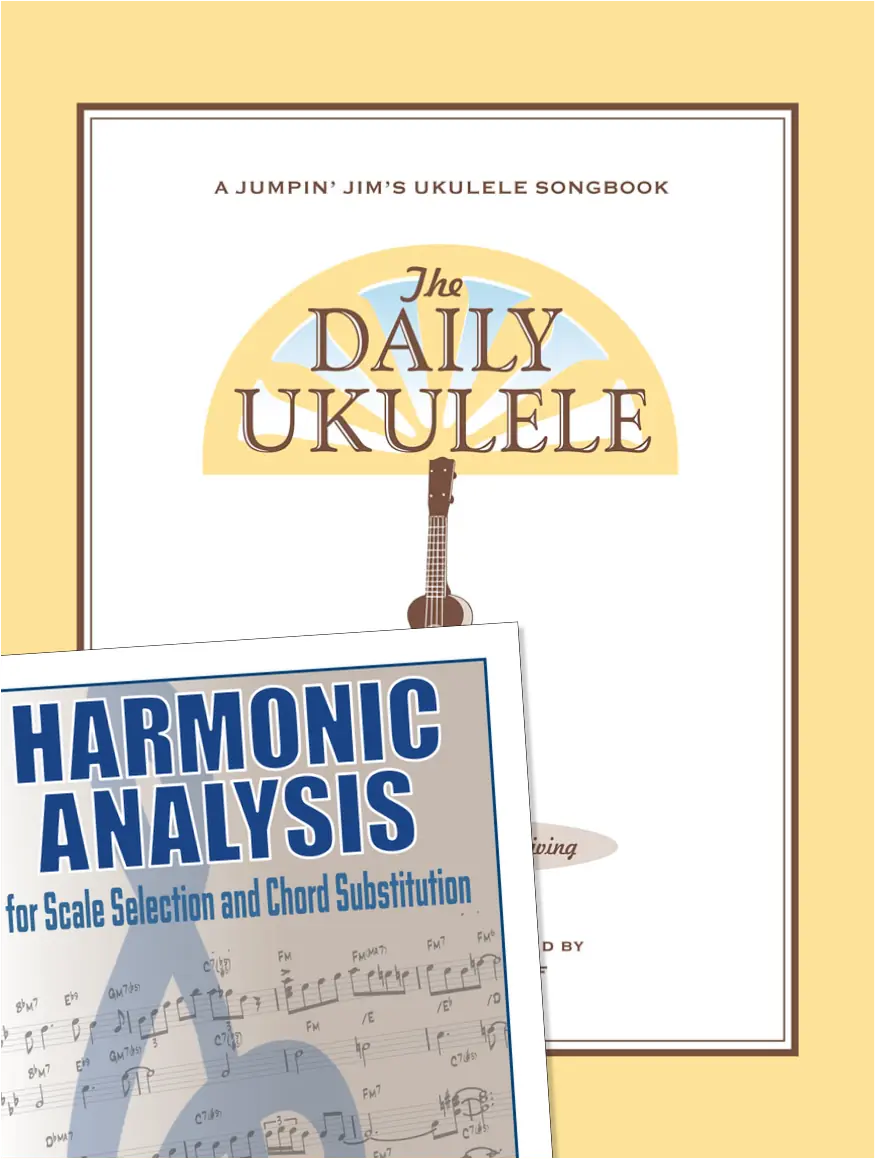
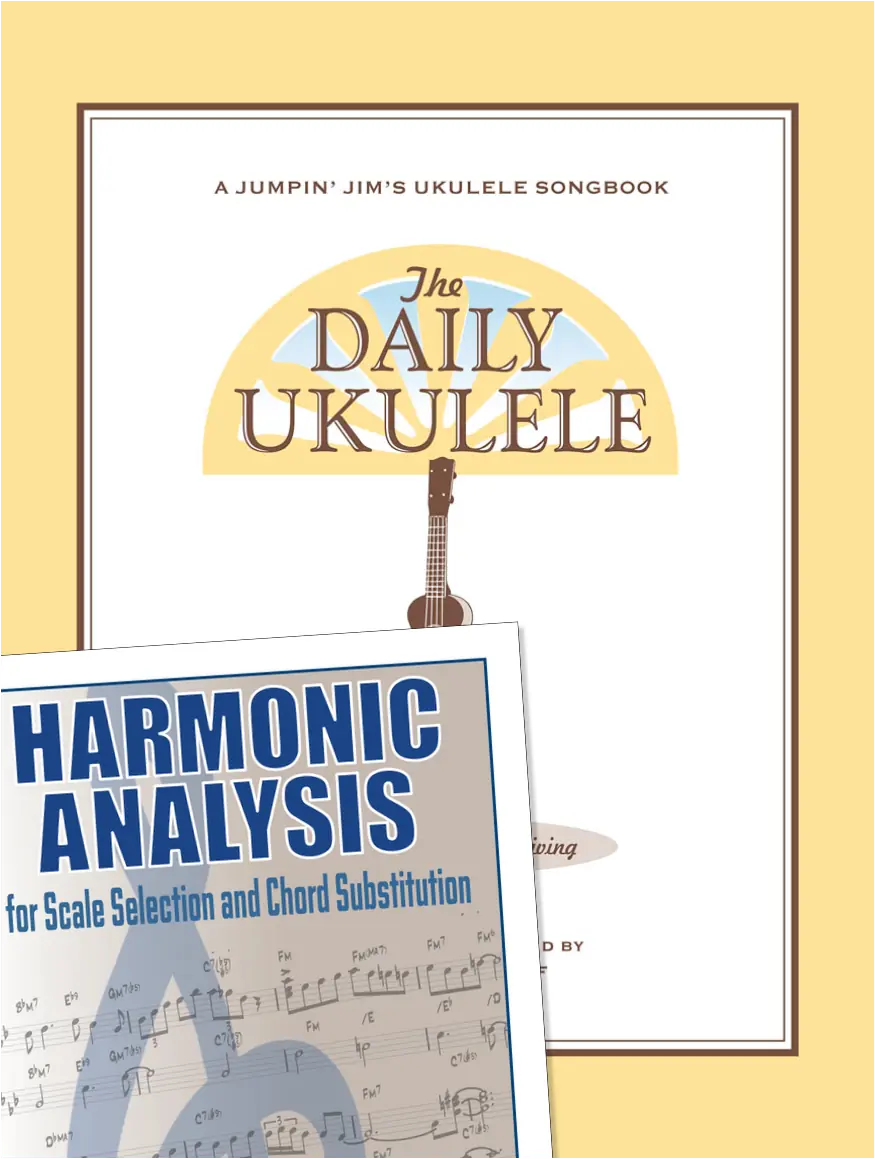
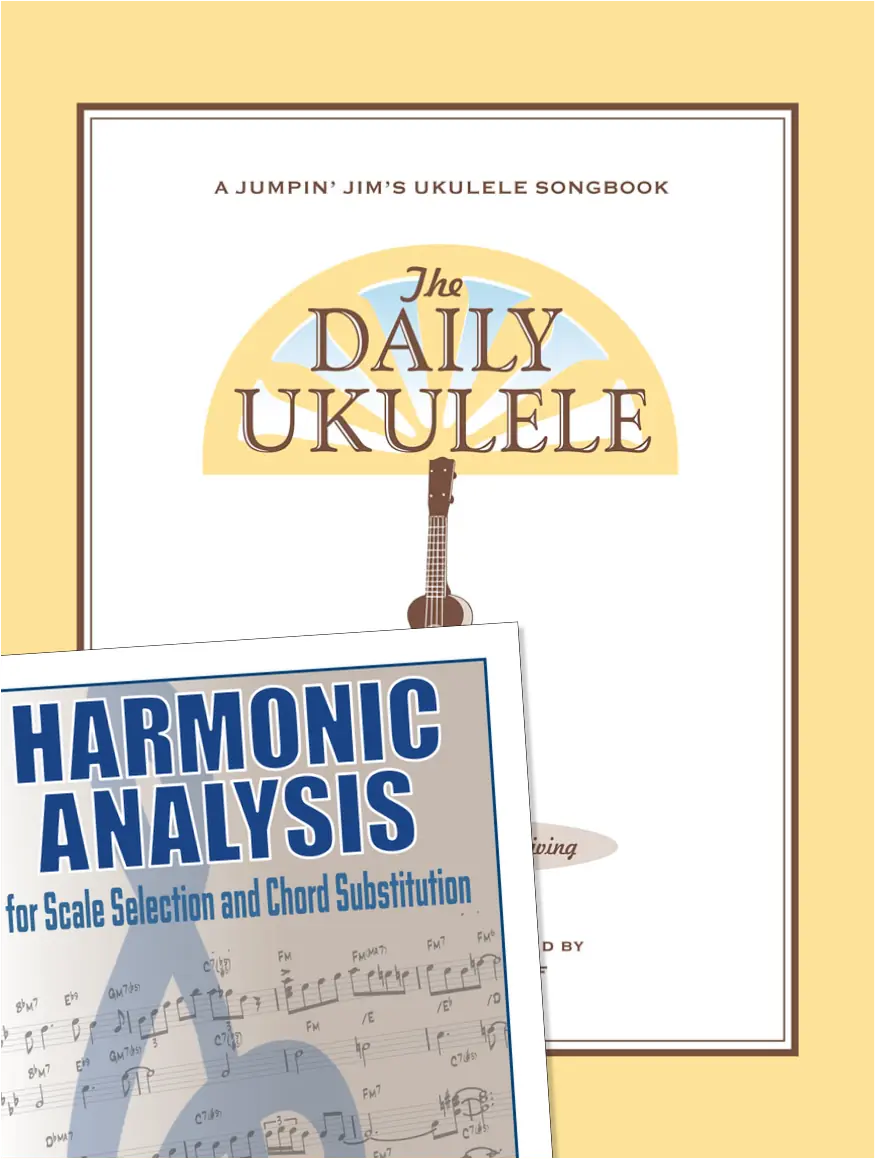
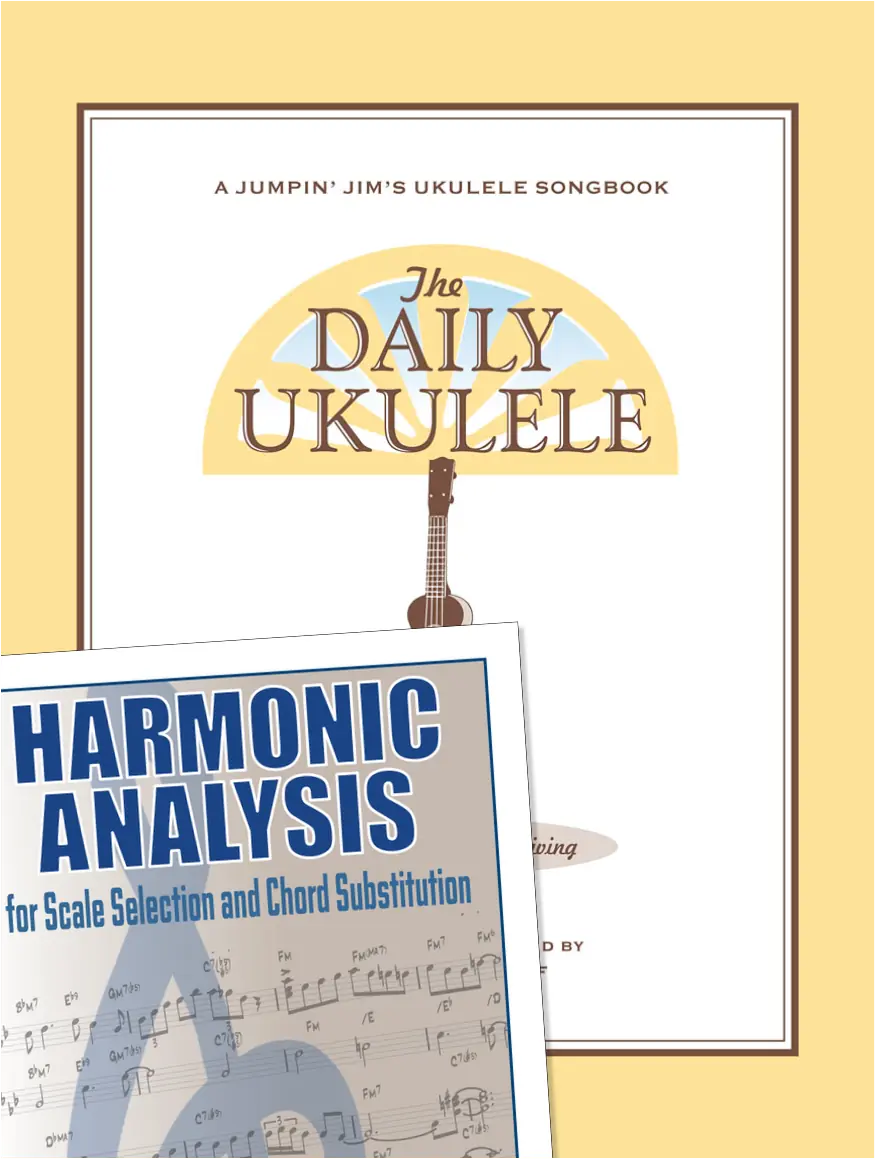
Harmonic Analysis for Scale Selection and Chord Substitution
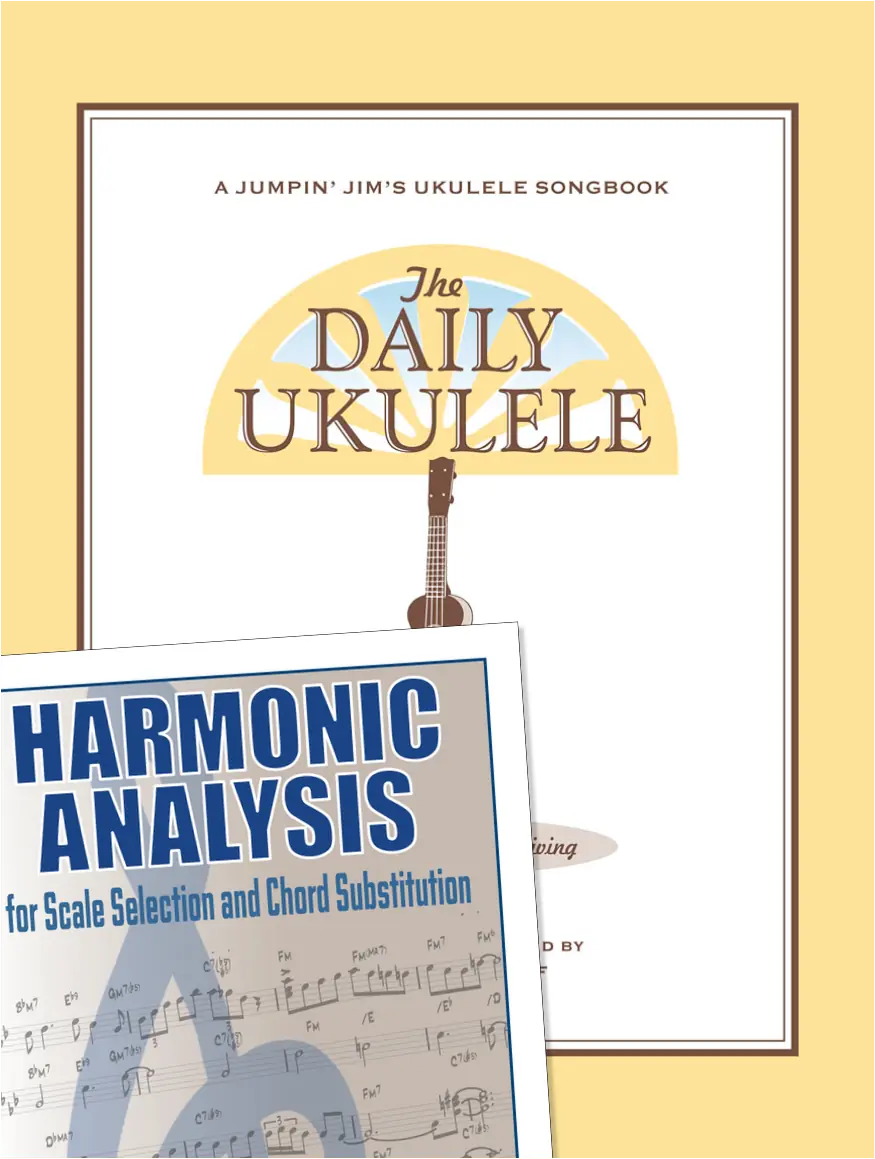
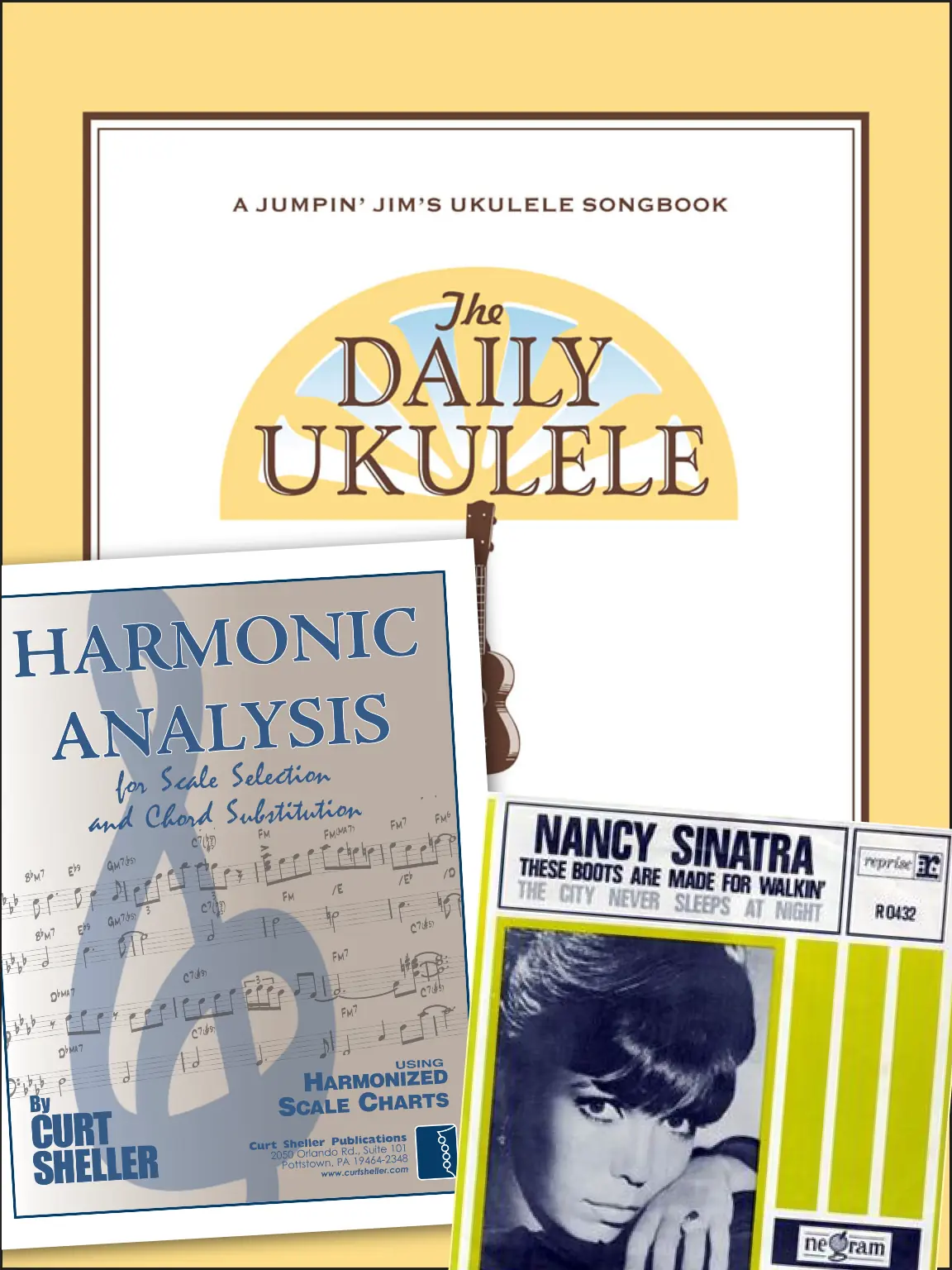
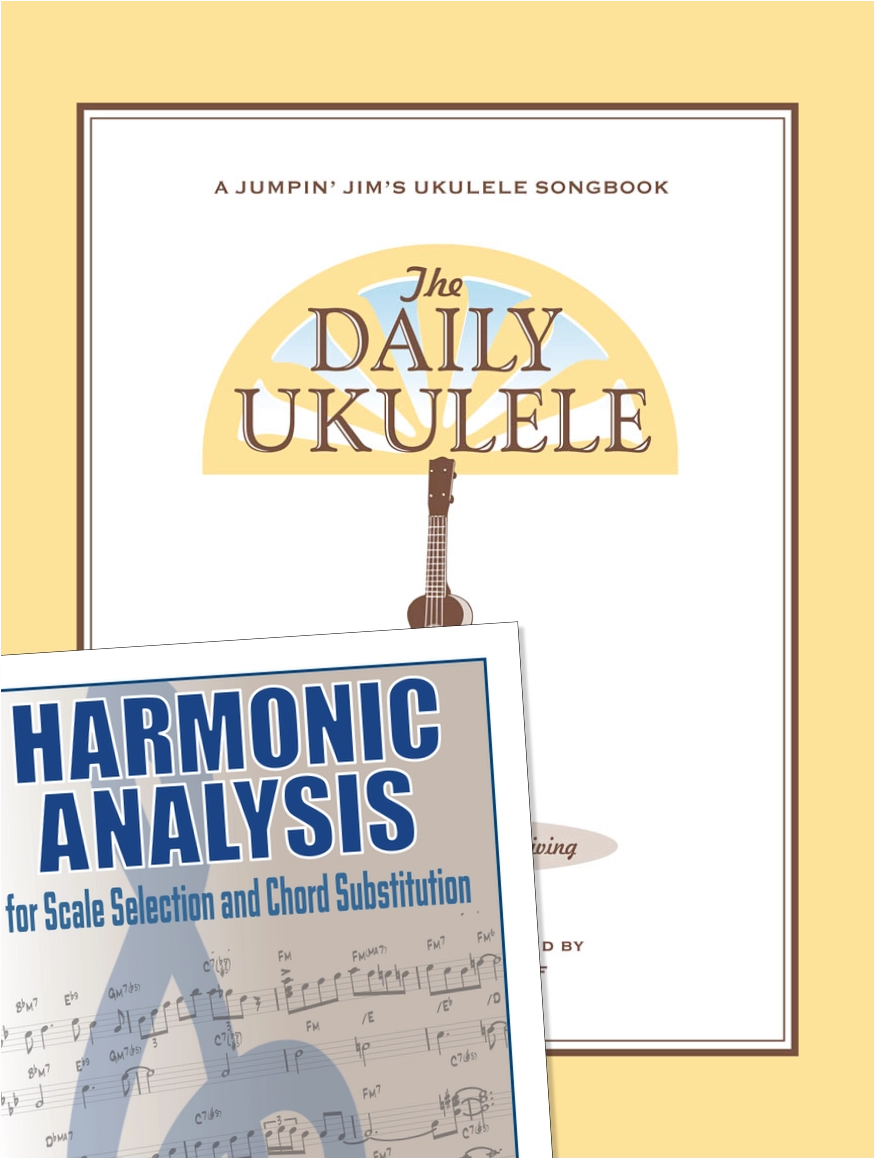
Harmonic Analysis is the understanding of the functional sequence of chords. It is the process used to analyze the harmonic structure of a progression, song or composition. This analysis is then used to make scale selections for improvisation and chord substitution.
Author(s): Curt Sheller Publisher: Code: RMA1
Main Category: Theory Main Instrument: Theory
Categories: Jazz, Reference, Theory, Progressions, Songwriting, Modes, Intermediate, Advanced

24 June 2026
If you're a registered site member and have the correct permissions you can view ALL the pages of this PDF or Samples pages at a larger size using the LearningUkulele.com Online PDF Viewer.
After purchasing a PDF a download link or PDF link will be sent to you.
This Download is NOT part of your LearningUkulele.com & Learning Ukulele with Curt membership level.
Sign-up for Premium Site Access or Upgrade Your Plan to download this PDF or your can purchase a copy for download
Sign In for Access…Contact Us if there are any issues.
However, if you'd like to support the site even more ❤️ you can buy the PDF.
After purchasing a PDF a download link or PDF link will be sent to you.
Product Info
- Product Code: RMA1
- Author(s): Curt Sheller
- Publisher(s):
- Published: 2 January 2003
- Updated: 8 June 2024
- ISBN-13: 978-0-9714044-2-7
- Size*: Book ANSI A (8.5 x 11 in), PDF A4 (210 x 297 mm)
- Pages: 88
- Hard Copy Price: $19.95
- PDF Price: $9.00
Regarding Book, Lesson and Charts Paper Sizes
• click to Hide more info
• click to Show more info
Starting 2020 LearningUkulele.com & Learning Ukulele with Curt moved to A4 paper sizes for all new books and new editions of books, lessons, and charts.
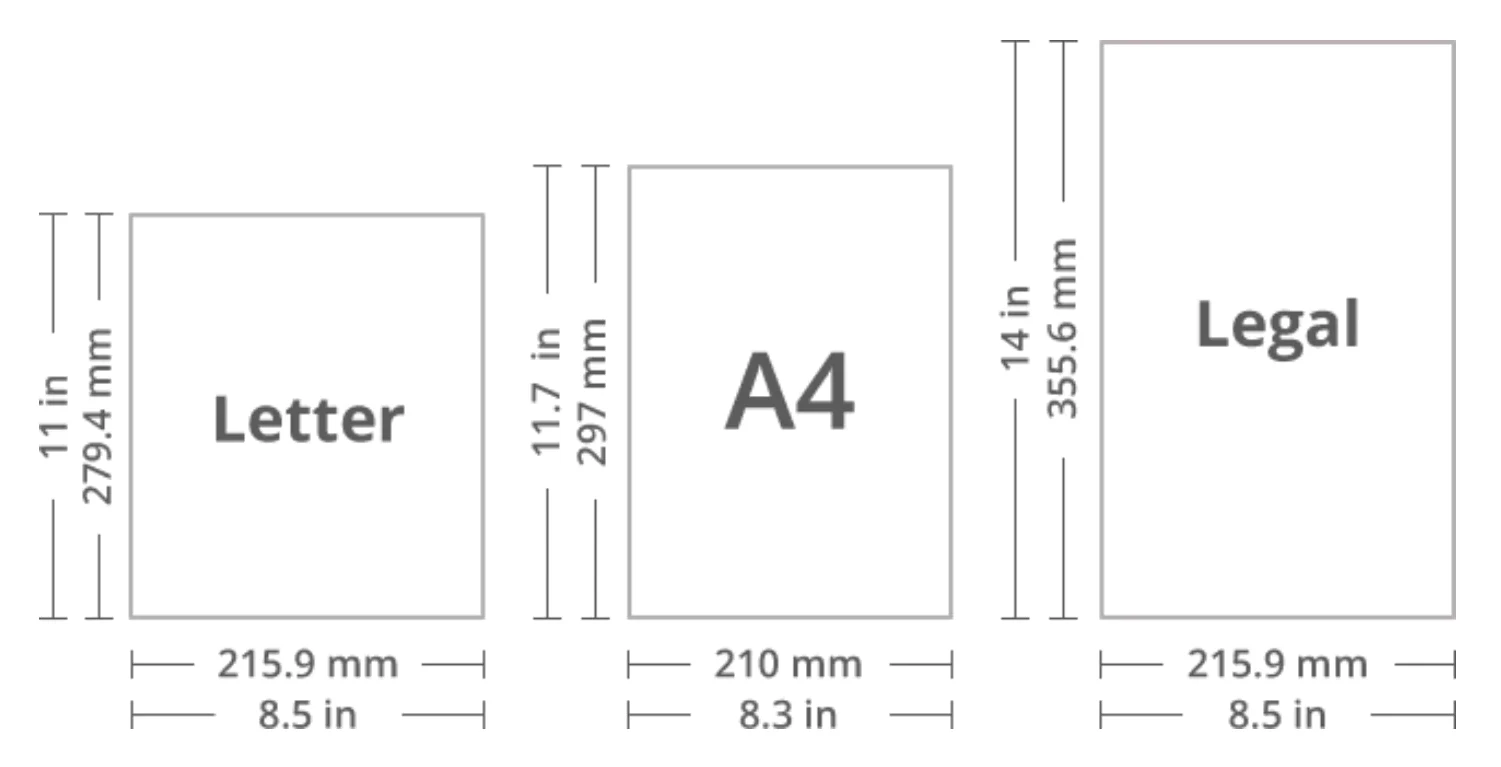
The A Series was adopted in Europe in the 19th century, and is currently used all around the world, apart from in the USA and Canada.
• Decoding Printer Paper Sizes: A4 vs Letter vs Legal. which is Standard?
NOTE: Printing A4 to US Letter Size: As the sizes are relatively close, simple select Scale to Fit
and the A4 size will print out fine.
Harmonic Analysis is the understanding of the functional sequence of chords. It is the process used to analyze the harmonic structure of a progression, song or composition. This analysis is then used to make scale selections for improvisation and chord substitution.
Excerpt from Harmonic Analysis for Scale Selection and Chord Substitution
2023 Update: Checkout the related LessonSERIES : Harmonic Analysis for Scale and Chord Selection . This series contains the latest updates as well as additional web only material that is not in the latest edition of the book.
Forward
The understanding of a chord's function within a chord progression or song is the first step in the process of scale selection for improvisation and creating melodies,as well as applying the principles of chords and scale substitution. It’s also the only way that can accurately be used to determine the correct name of a particular chord.
Introduction
This book focuses on the following:
- Analysis of Chord Functions within Chord Progressions
- Scale Selection Based on Chord Function
- Chord and Scale Substitution Principle
More Harmonic Analysis for Scale Selection and Chord Substitution
content below, continue exploring...
More Harmonic Analysis for Scale Selection and Chord Substitution
“Chords can not be named out of context. They can only be named in the context of a chord progression or chord sequence and then only when the chord's harmonic function within that progression can be determined.” — Curt Sheller — Curt Sheller
“That's the single most sensible statement about music that I've read in months, maybe years. Thanks, Curt.” — John Kavanagh - The 4th Peg Parlor Room
The chord progressions in this book employ the principles that occur in Tonic-Dominant harmony used in the Jazz and Popular songs widely considered to be part of the "standard" jazz repertoire.
A special thanks to Chuck Anderson for many of the concepts put forth in this book. As well as Glen Hirabayashi with help in editing this second edition.
Basic Concepts
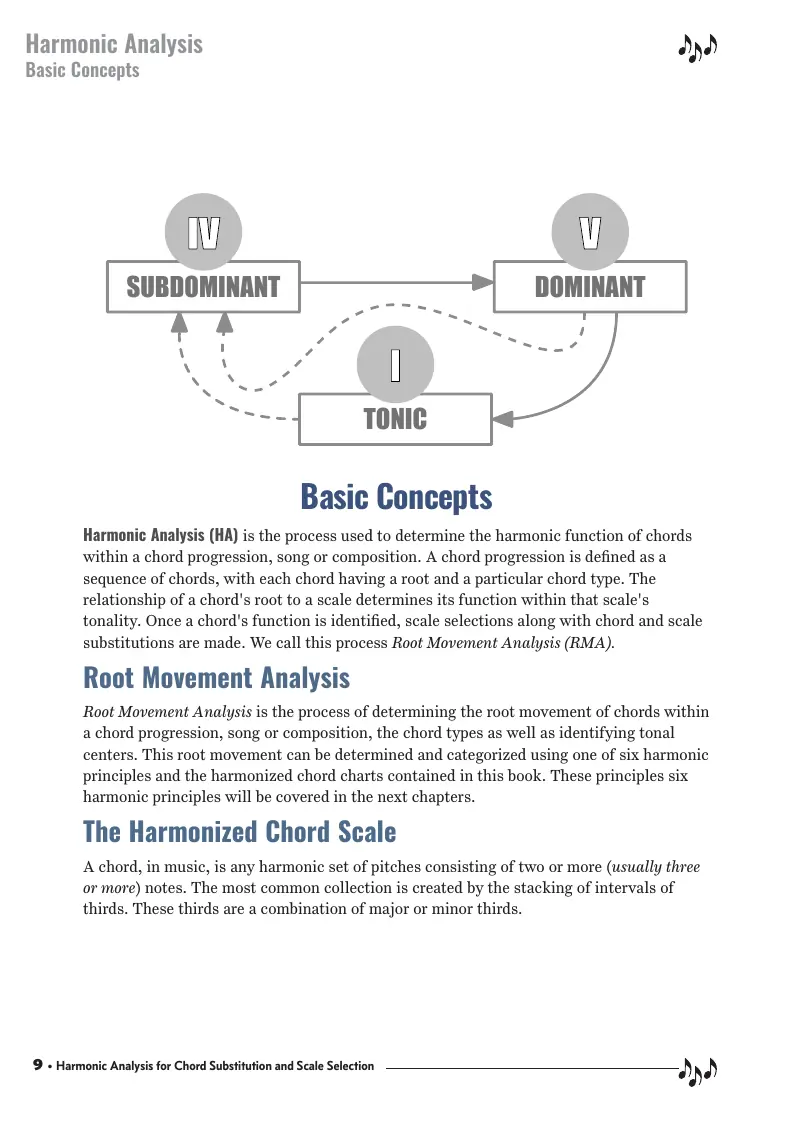
Harmonic Analysis (HA) is the process used to determine the harmonic function of chords within a chord progression, song or composition. A chord progression is defined as a sequence of chords, with each chord having a root and a particular chord type. The relationship of a chord's root to a scale determines its function within that scale's tonality. Once a chord's function is identified, scale selections along with chord and scale substitutions are made. We call this process Root Movement Analysis (RMA).
Root Movement Analysis
Root Movement Analysis is the process of determining the root movement of chords within a chord progression, song or composition, the chord types as well as identifying tonal centers. This root movement can be determined and categorized using one of six harmonic principles and the harmonized chord charts contained in this book. These principles six harmonic principles will be covered in the next chapters.
The Harmonized Chord Scale
A chord, in music, is any harmonic set of pitches consisting of two or more (usually three or more) notes. The most common collection is created by the stacking of intervals of thirds. These thirds are a combination of major or minor thirds. These three note chords are called triads. Four notes make up 4-part chords, five notes make up a 5-part chord, all the way up to chords that include all the notes of the scale. These chords create a Harmonized Chord Scale that is used for a Root Movement Analysis. For the purposes of harmonic analysis this book uses triads and 4-part chords only…
- Introduction
- Basic Concept
- The Harmonized Chord Scale
- Root Movement Analysis
- The Six Harmonic Principles (Overview)
- Full Diatonic
- Determining Tonality
- Partial Diatonic
- Secondary Dominants
- VI7 - V of II
- VII7 - V of III
- I7 - V of IV
- II7 - V of V
- III7 - V of VI
- Chained Secondary Dominant Cycles
- Diminished Chords?
- Determining a Modulation
- Pivot or Double Function Chords
- Common Modulations
- Common Major Keys
- Common Chord Progressions
- Chord's Harmonic Function
- Im ImL7 Im7 Im6
- Im7 Im7+5 Im6
- Picardy Third
- Chromatic Sevenths
- Confirmation Sequence
- Vertical Scale Choices
- Horizontal Scale Choices
- Full Diatonic Chords
- Partial Diatonic
- Internal Modulation
- Unresolved
- Cycle
- Chromatic
- The Lydian Scale Uses vs Ionian Scale
- Direct Substitutions
- Replacement
- Expansion
- Substitution Characteristics
- Superimposed
- Non Superimposable
- Note Substitution
- Inversions
- Linking
- Re-harmonizations
- Diatonic Substitutions
- Passive
- Active
- The Minor Third Substitution Principle
- bVII7
- bII7
- III7
- Major Key
- Minor Key
- Harmonic Minor
- Tonic Minor
- Ionian
- Dorian
- Phrygian
- Lydian
- Mixolydian
- Aeolian
- Locrian
- Blues Major
- Blues Minor
- Pentatonic
- 2024-06-08 - New A4 size and updates and a few new additions.
- 2021-06-10 - Page 17 - Line 1 of the first Key Center, Chord Function chart. The Dm should be I IV7 bVII7maj7. Not I IV7 #Imaj7
- 2021-04-12 - Updated the Locrian chart header on page 81. Characteristics Scale Step the fifth (5th) of the scale not the second. This is also changed on the "The Modes Tonal Tendencies" page 74 of the charts section.
- 2006-06-02 - Updated ISBN number to new ISBN-13 number.
- 2004-10-24 - 20041024.1.1 - Fixed a few typos.
- 2004-04-12/ - New color cover.
- Version 200401252230
- 2004-01-25 - Several changes made and additional common progressions added.
- 2004-01-19 - Page 78 Aeolian chord chart D Aeolian row wrong. All future versions of the book will reflect this change. Version 200401201100
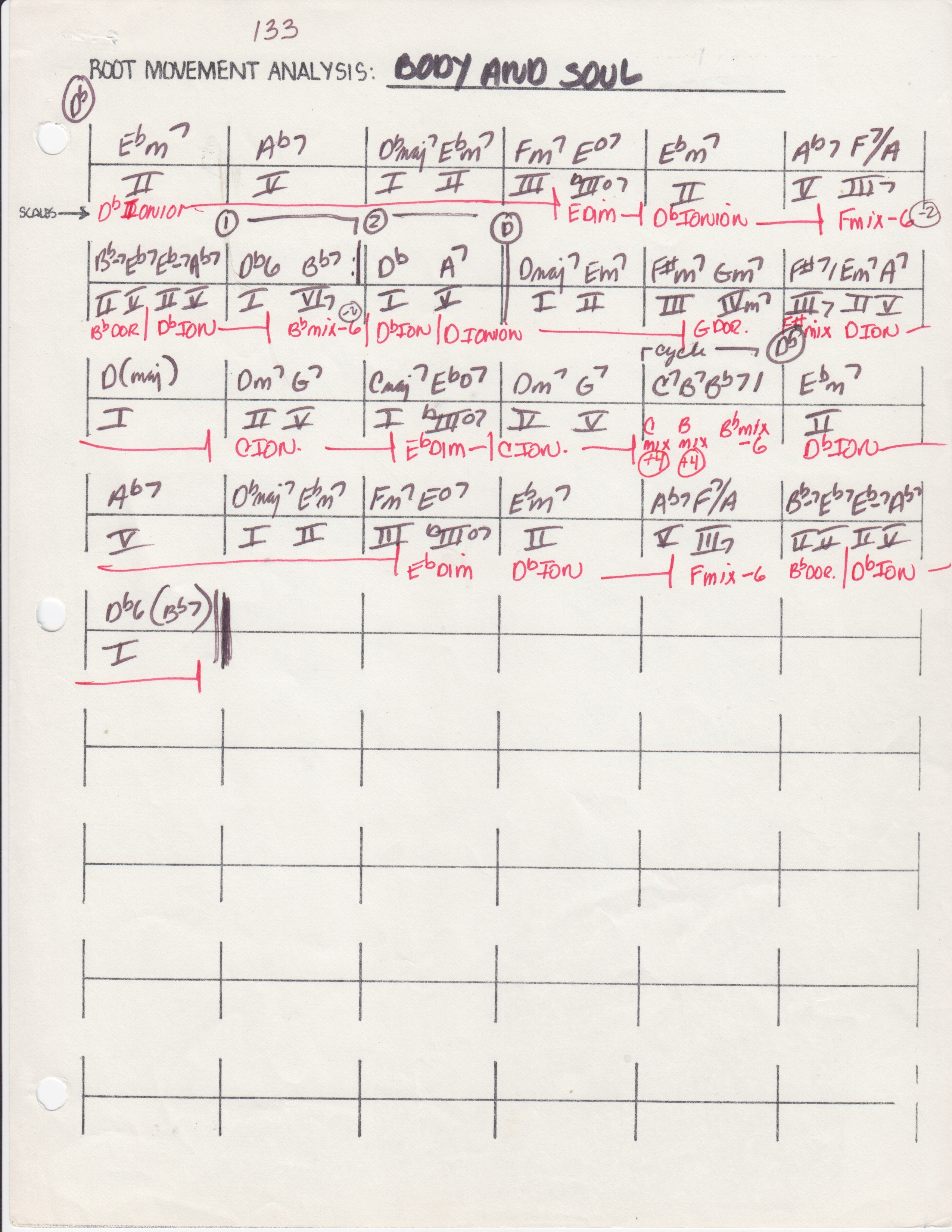
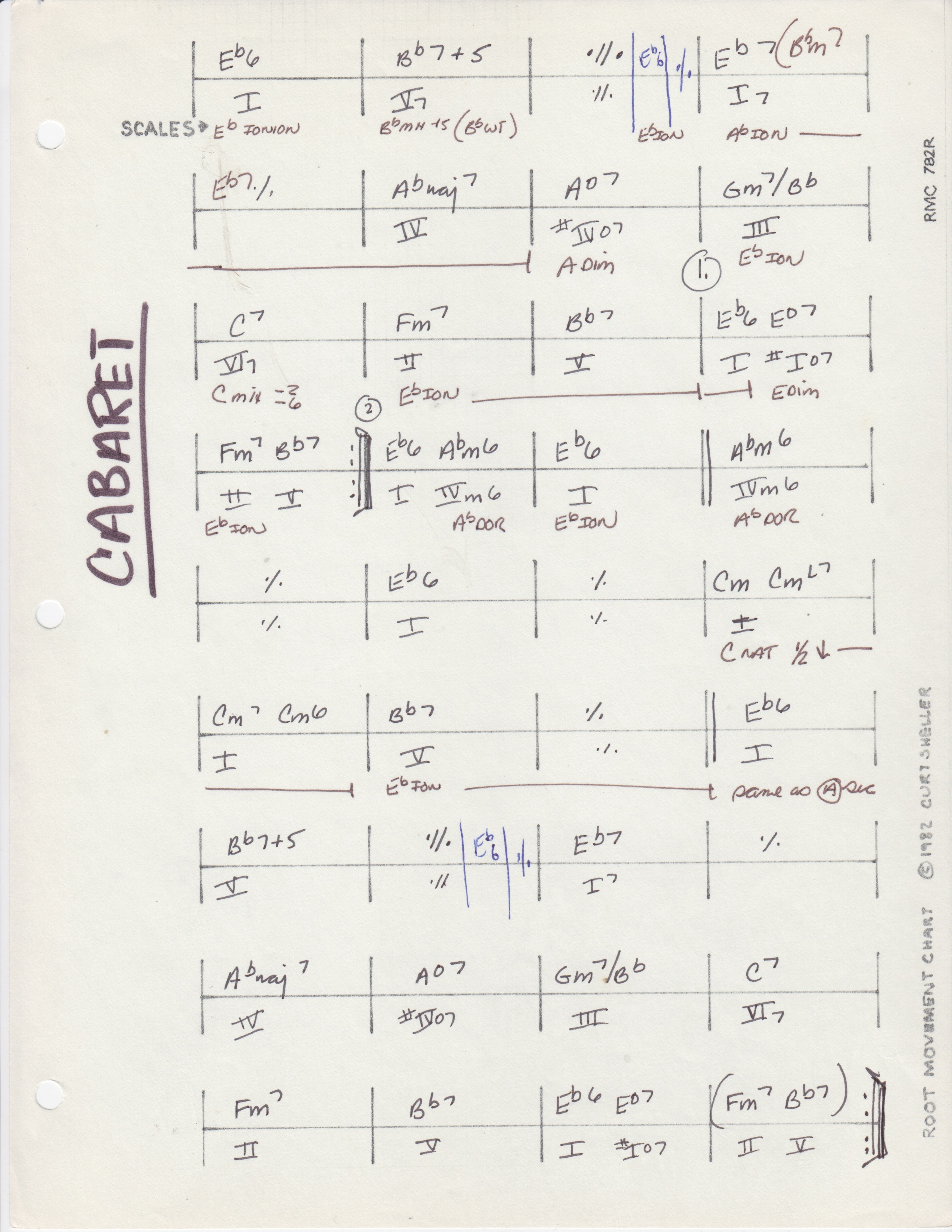
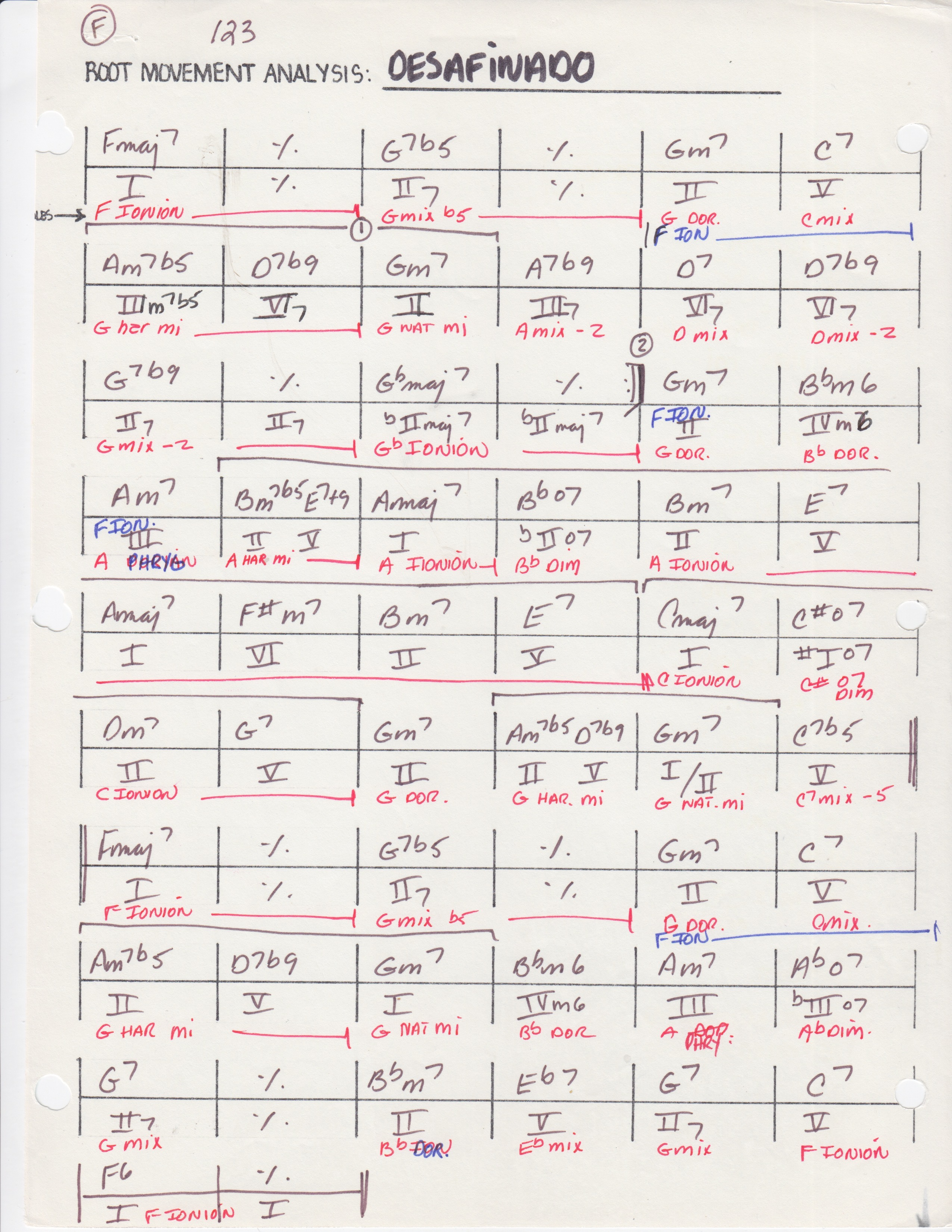
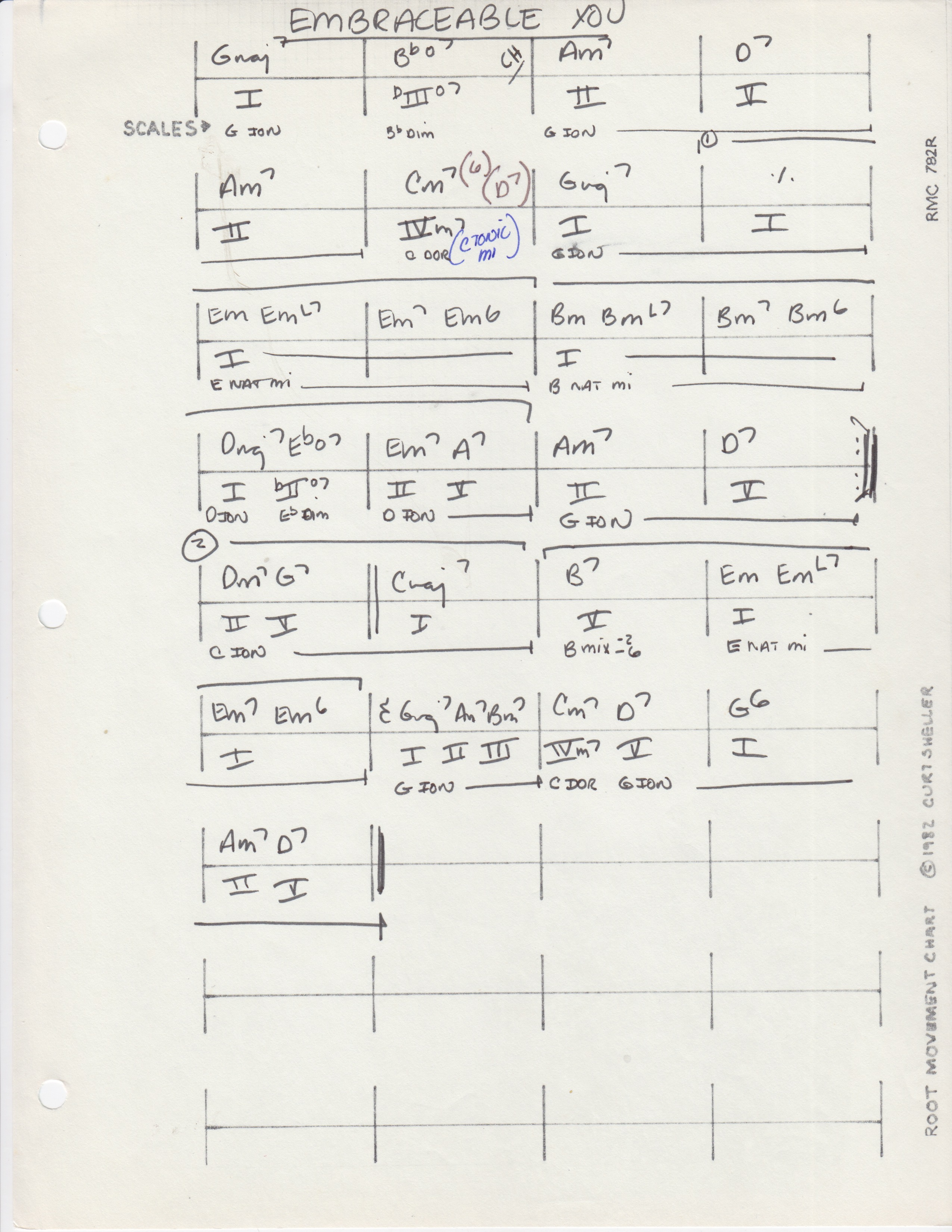
Not Really an Errata Item
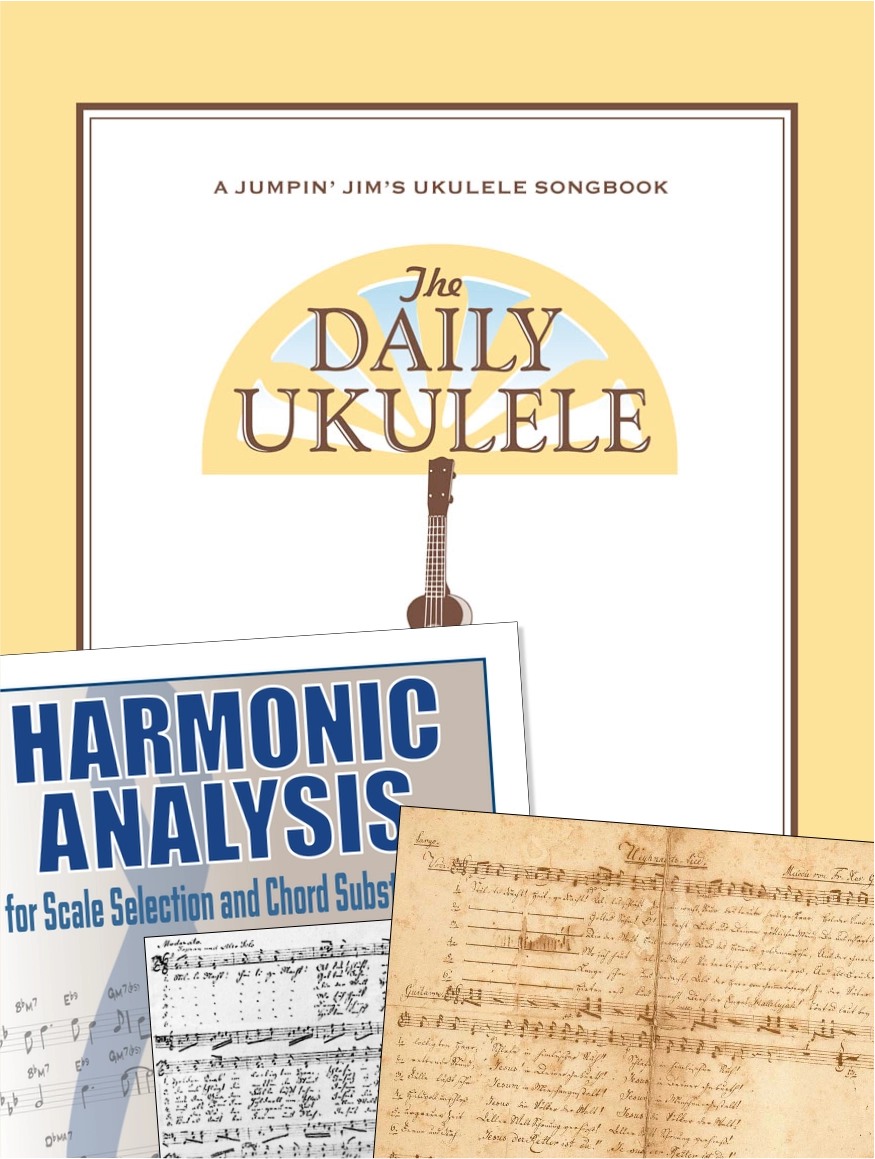
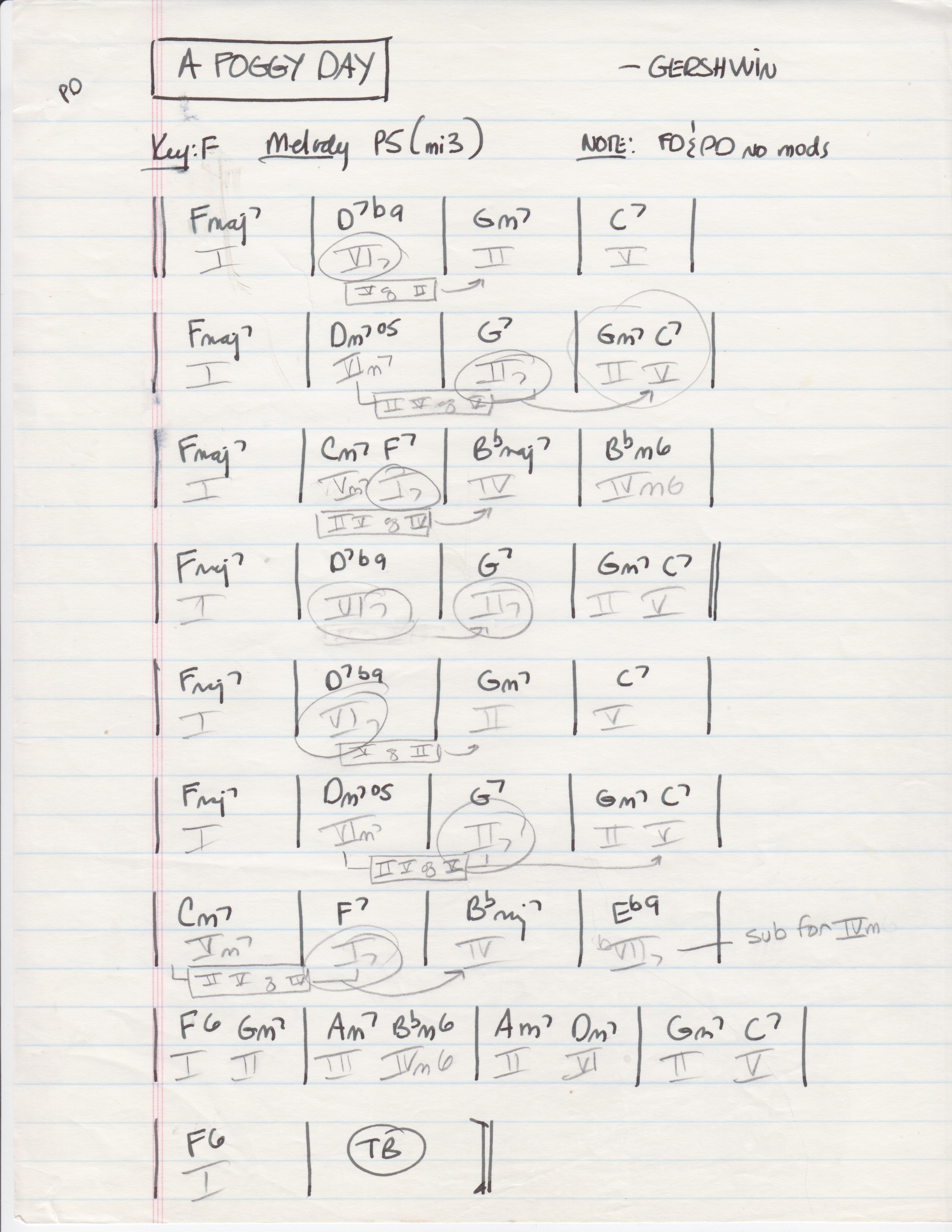
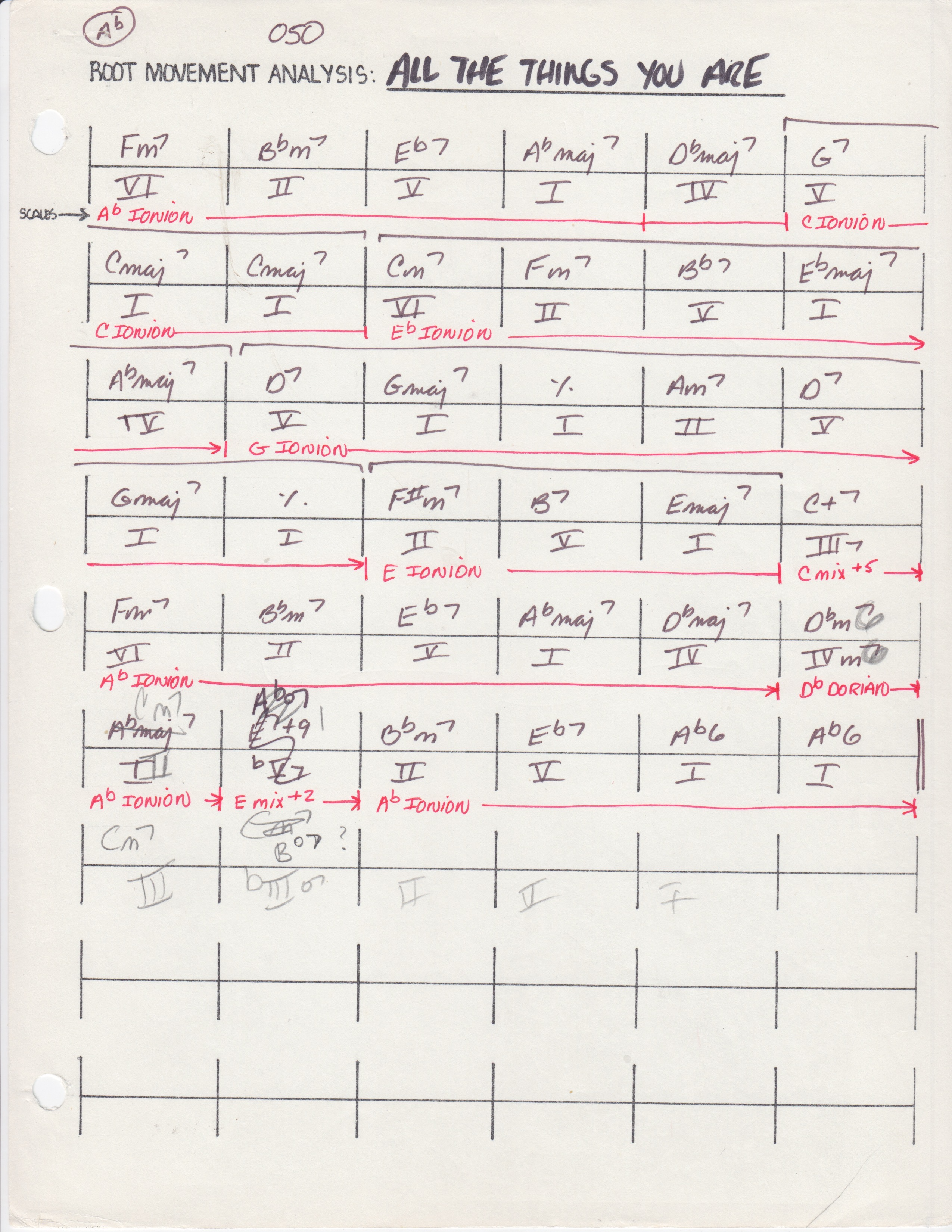
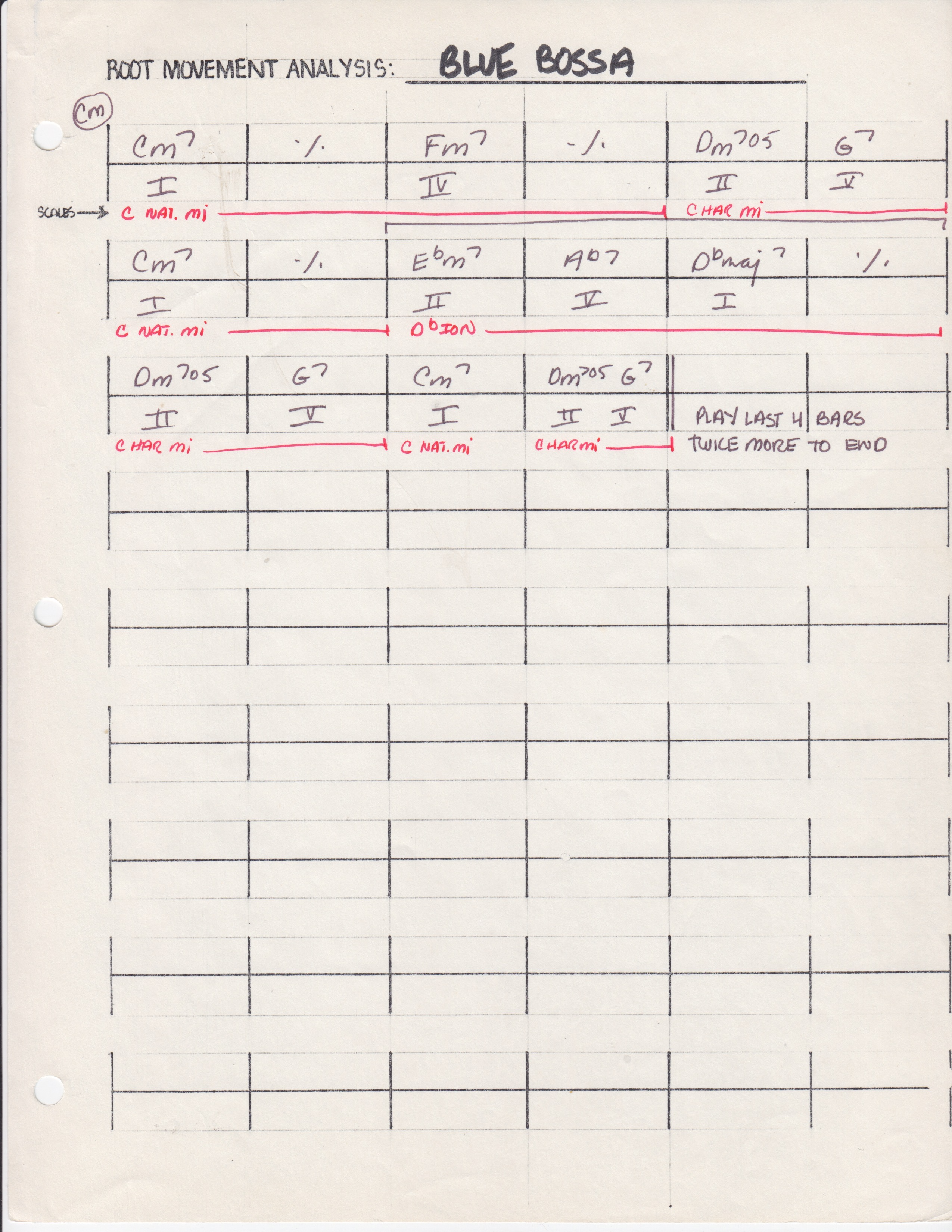
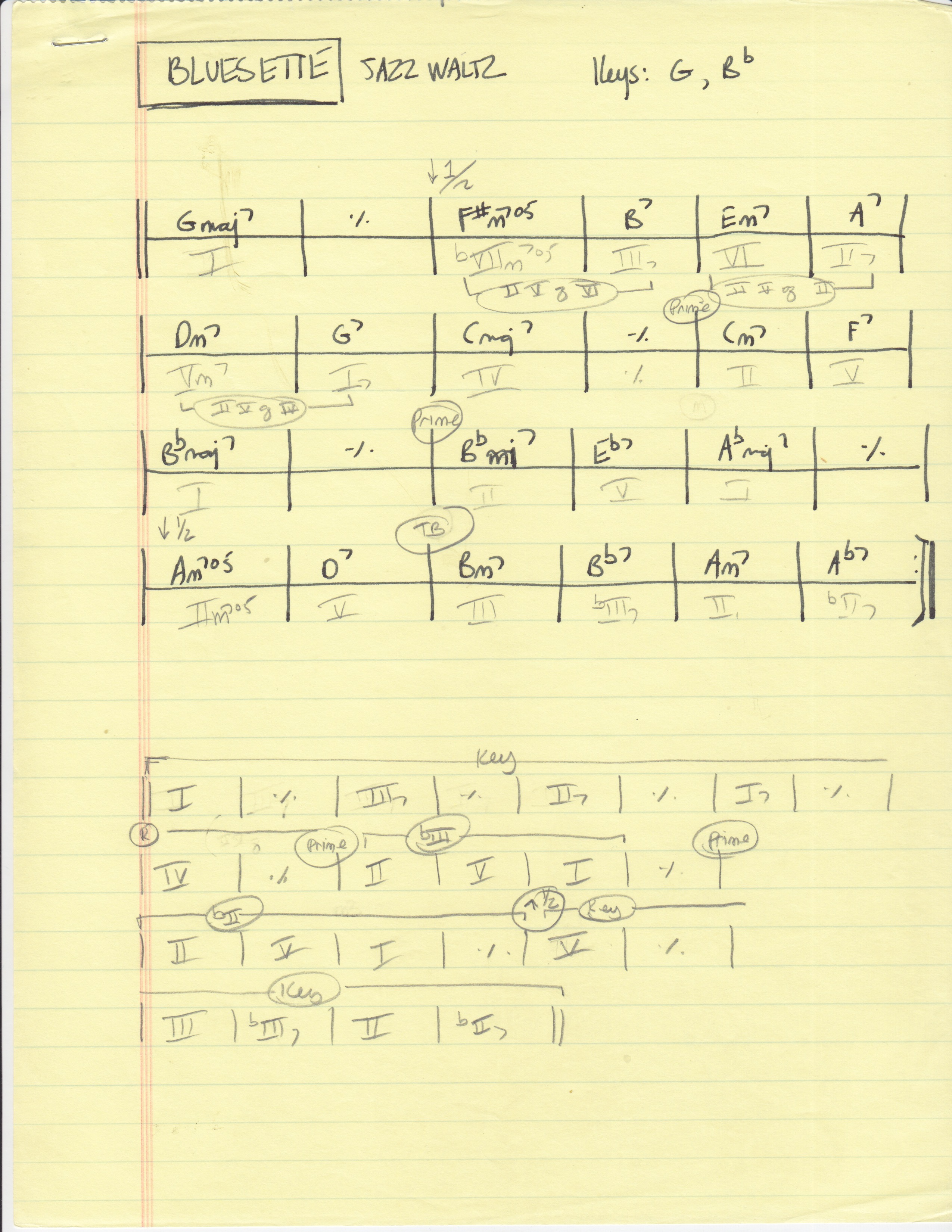
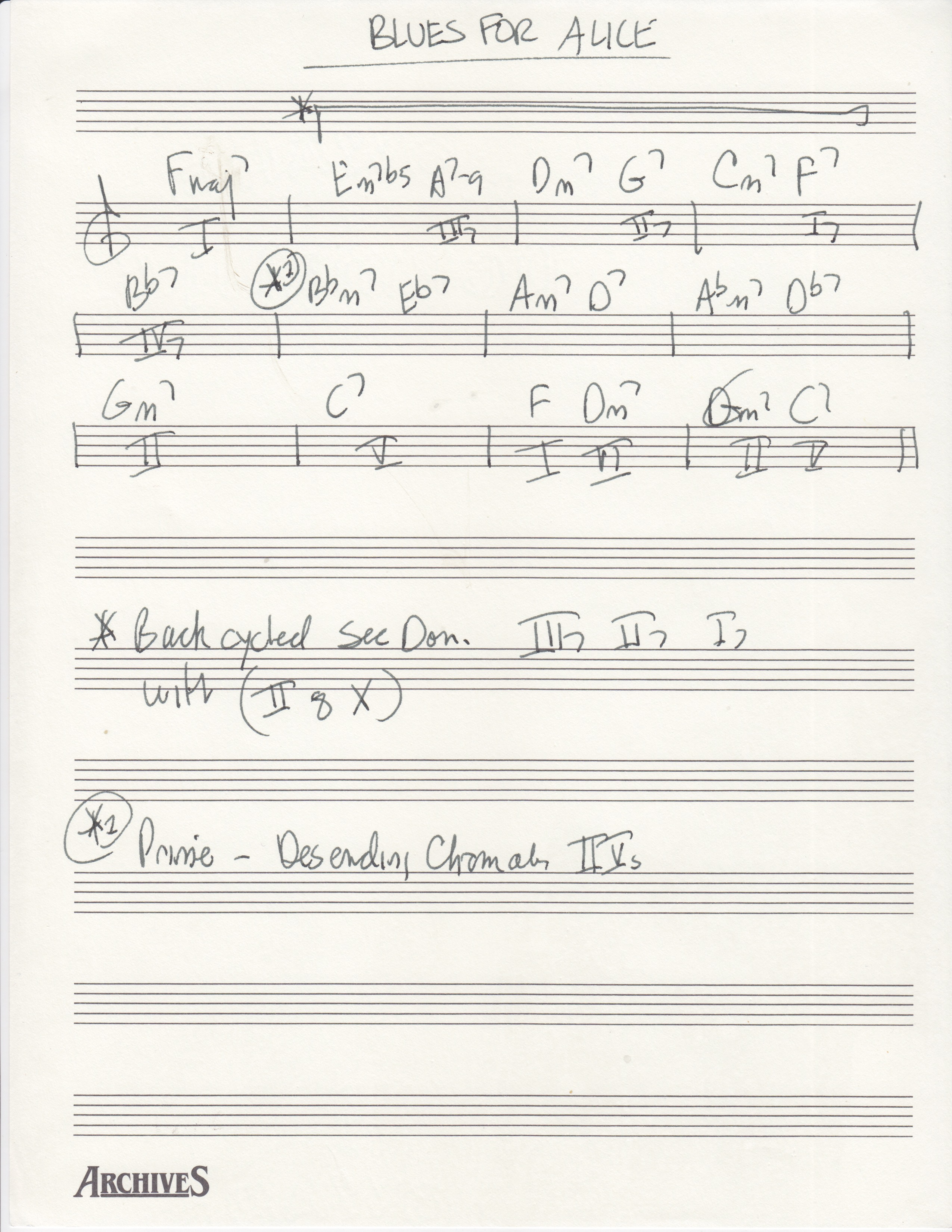
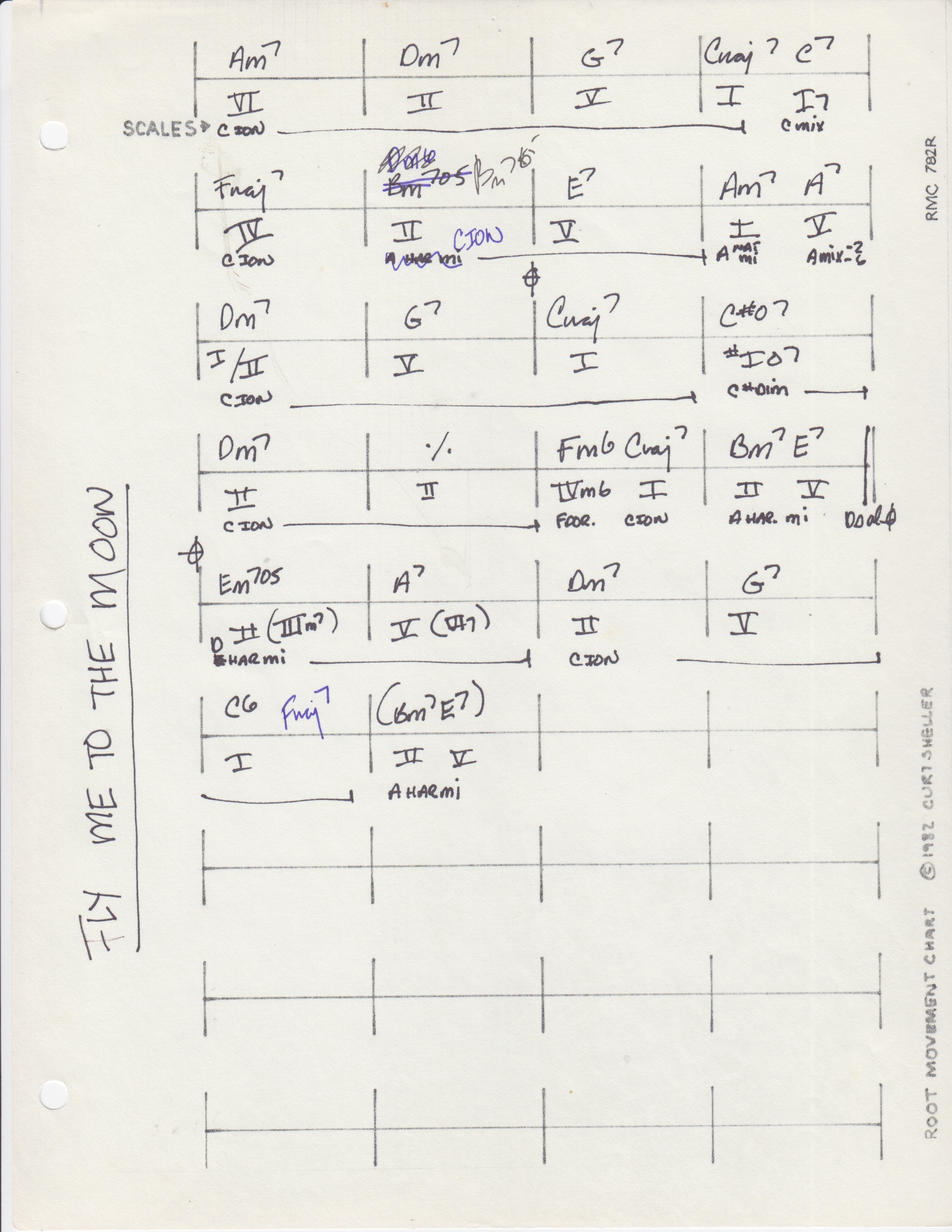
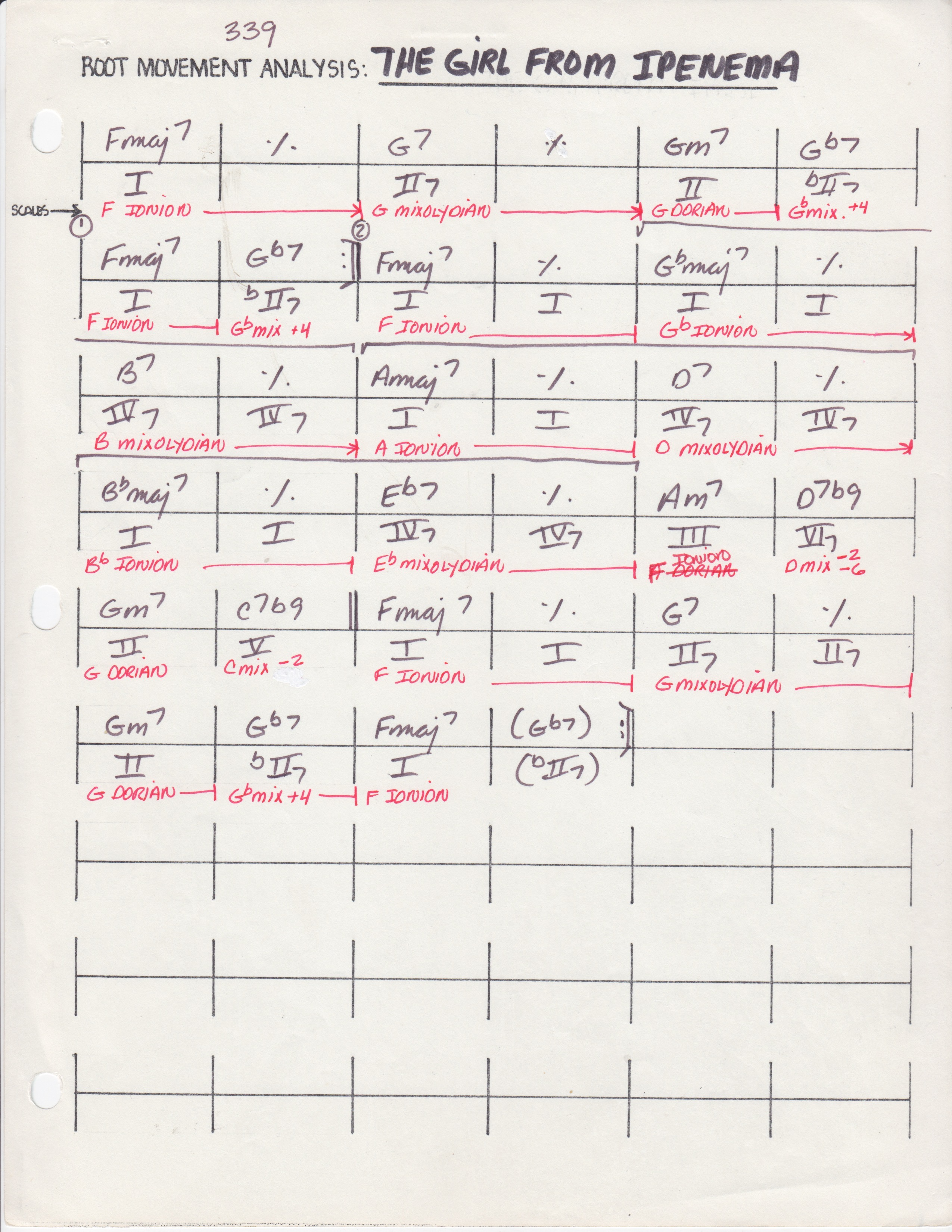
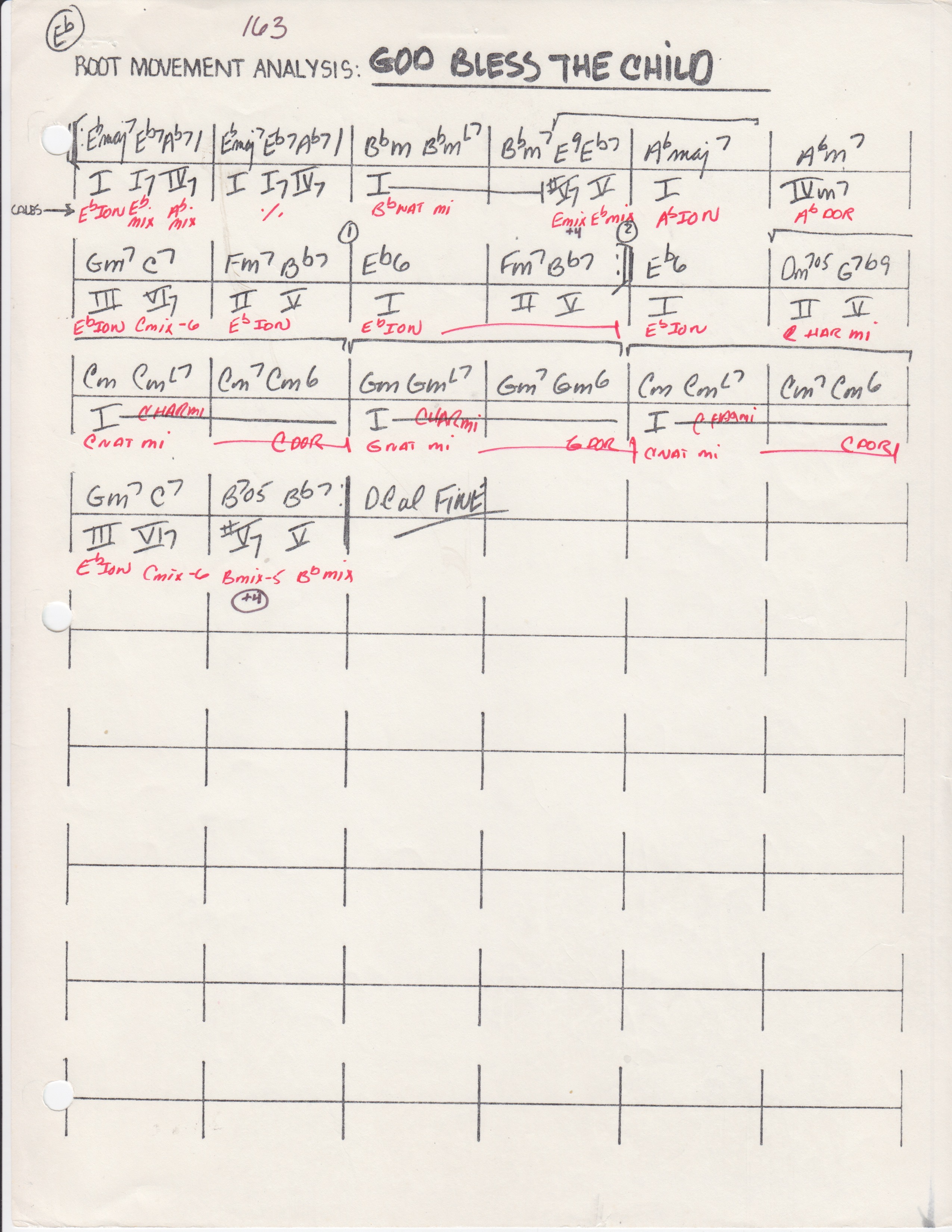
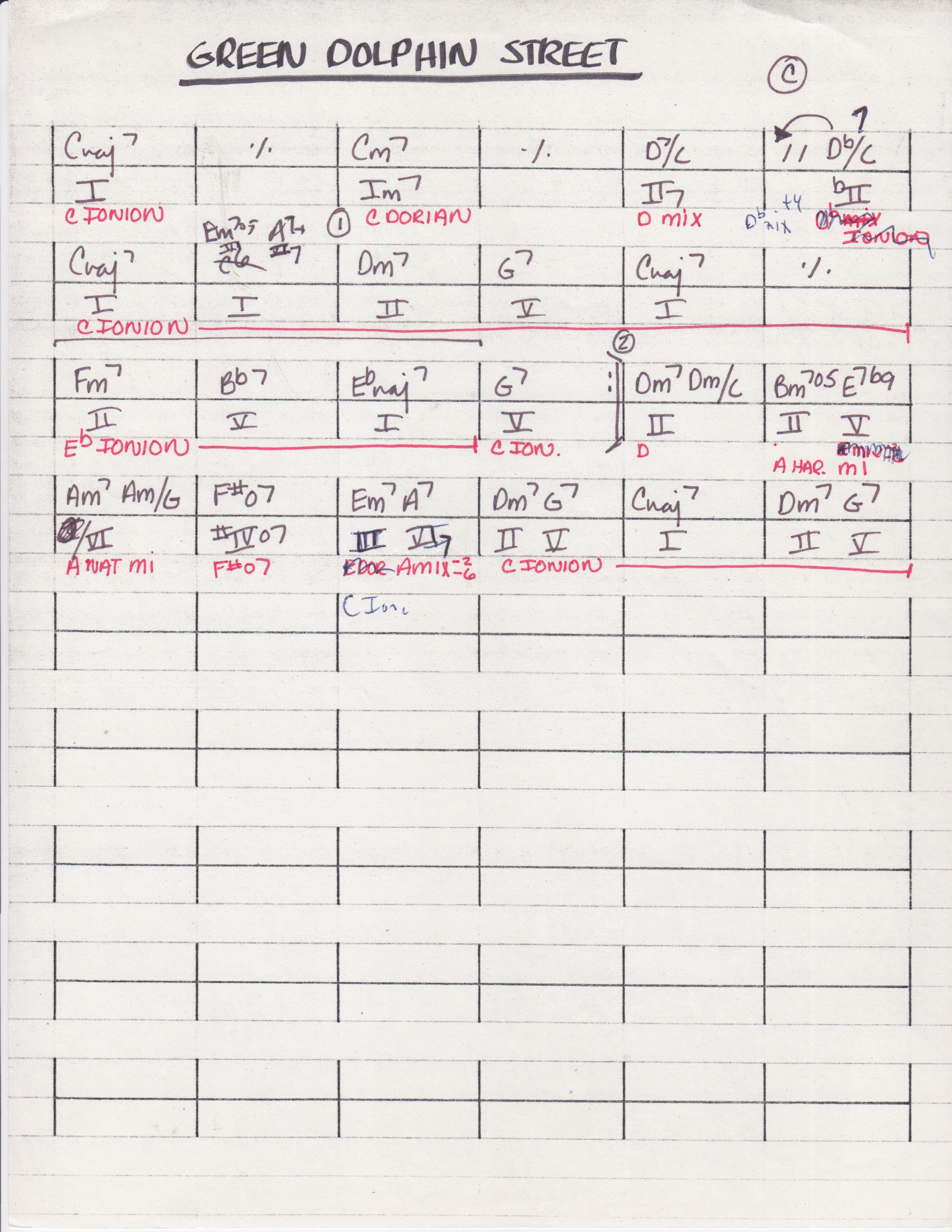
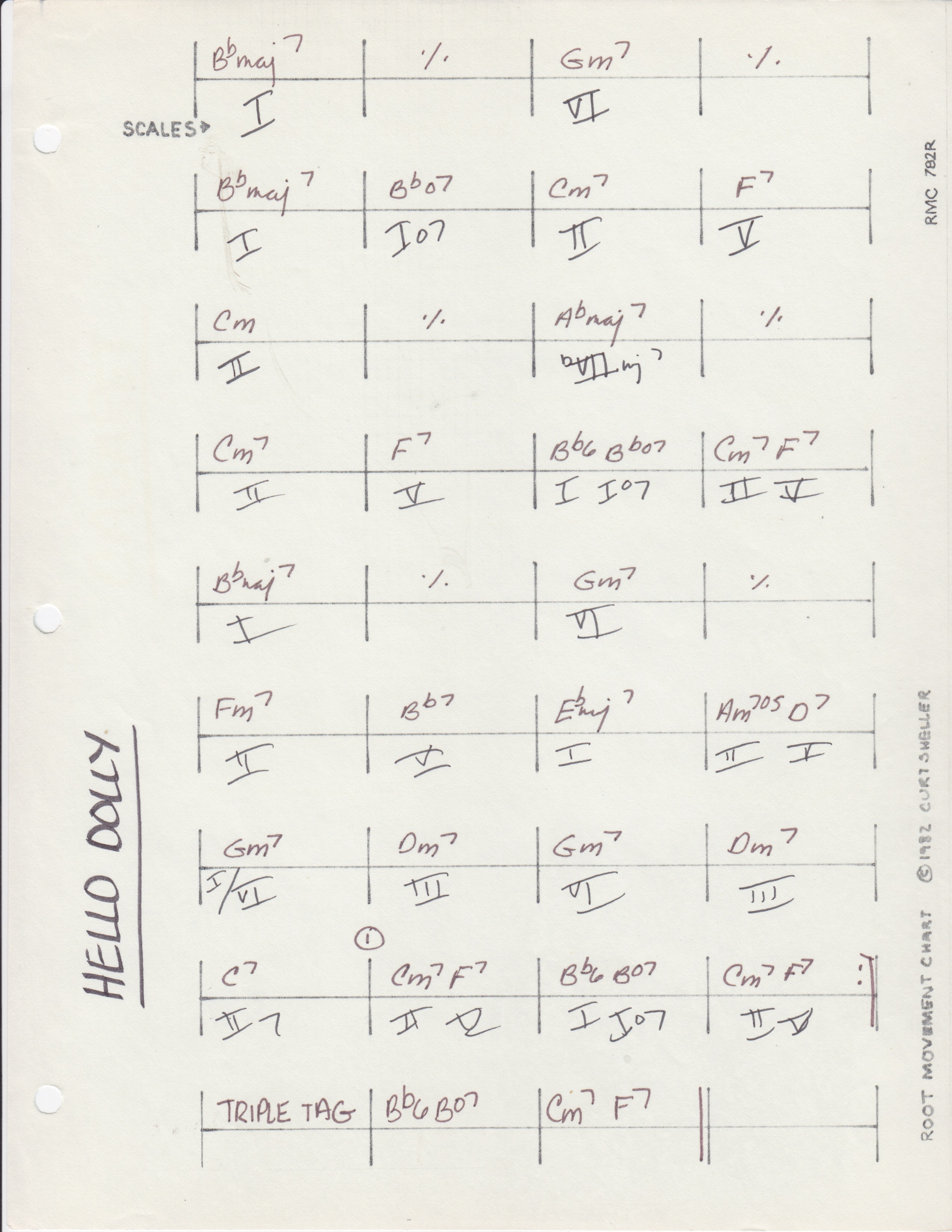
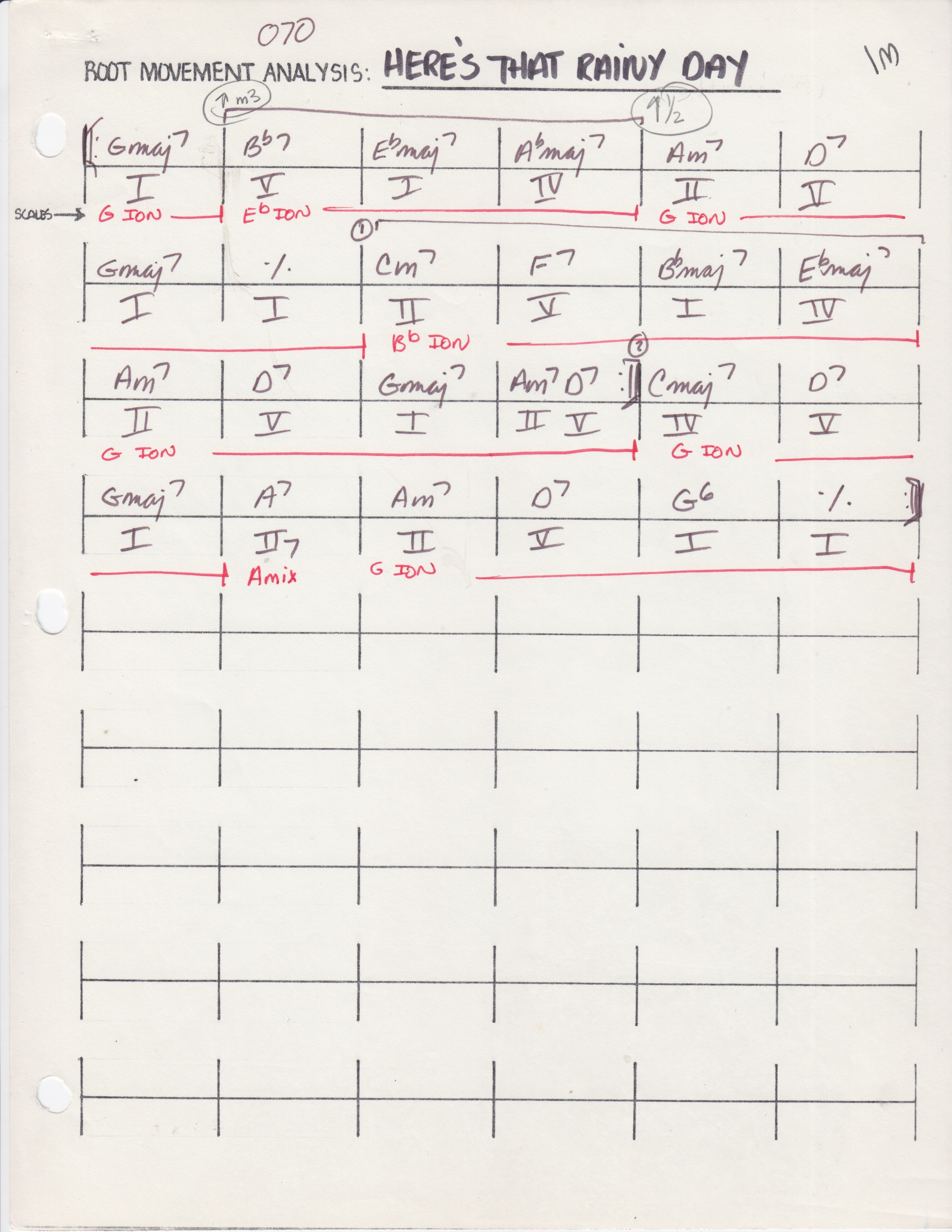
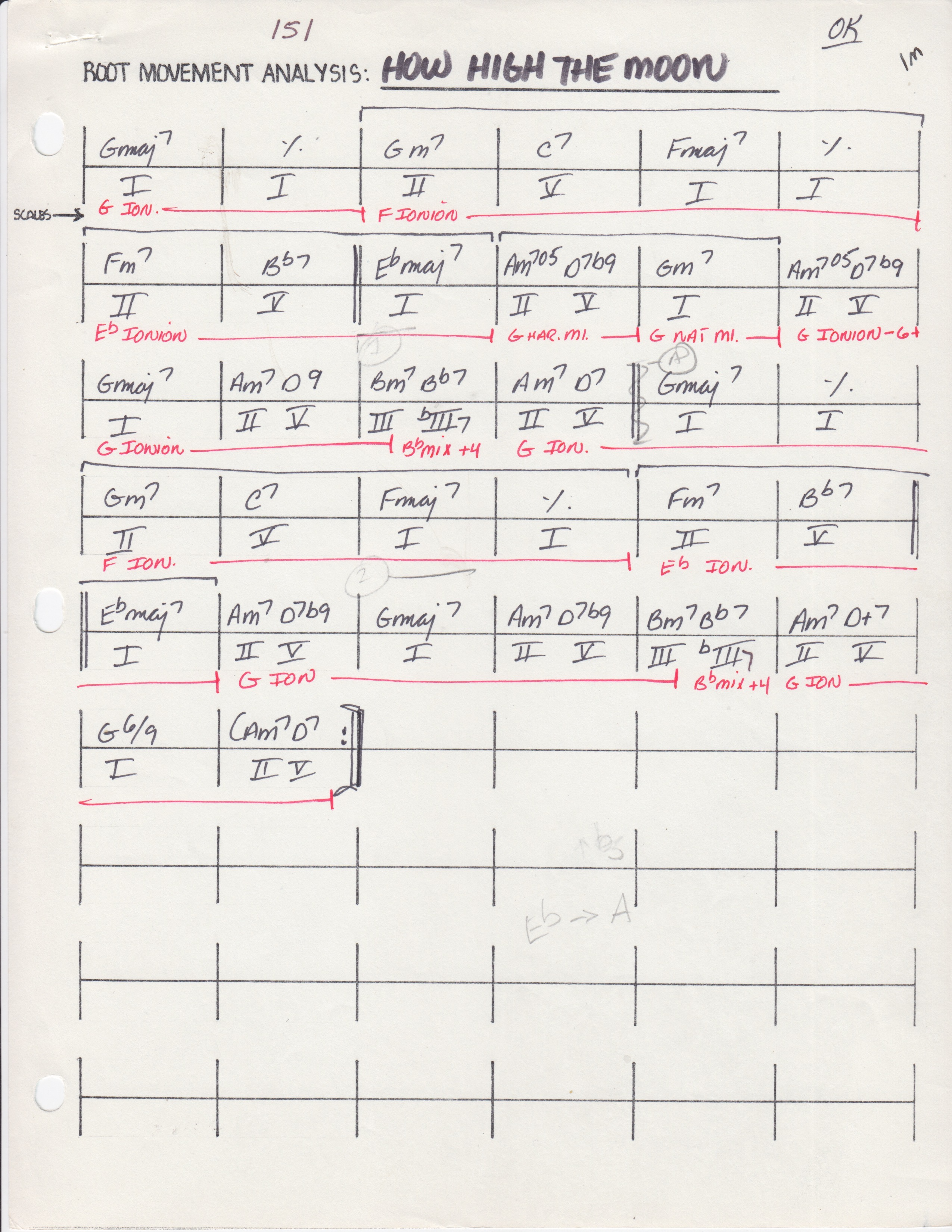
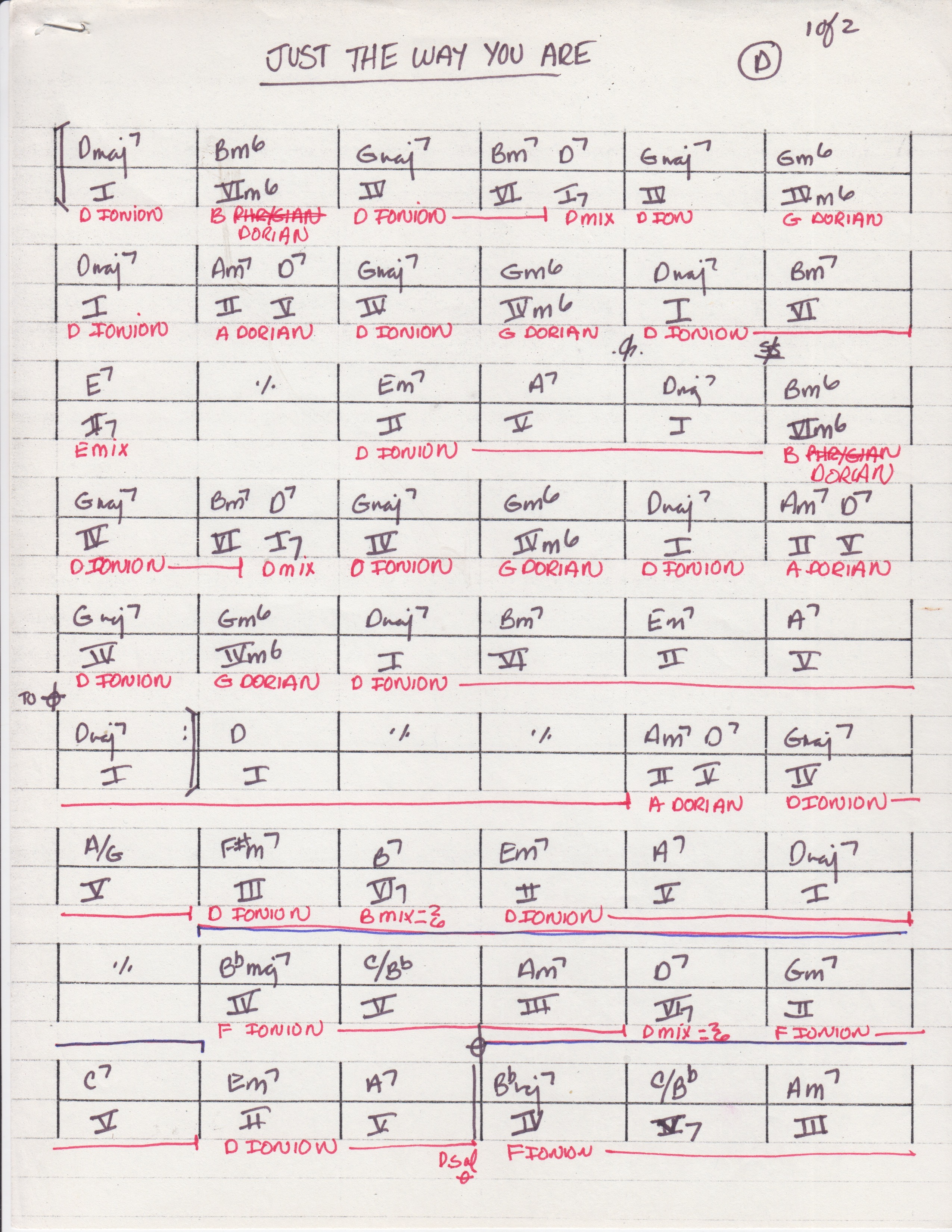
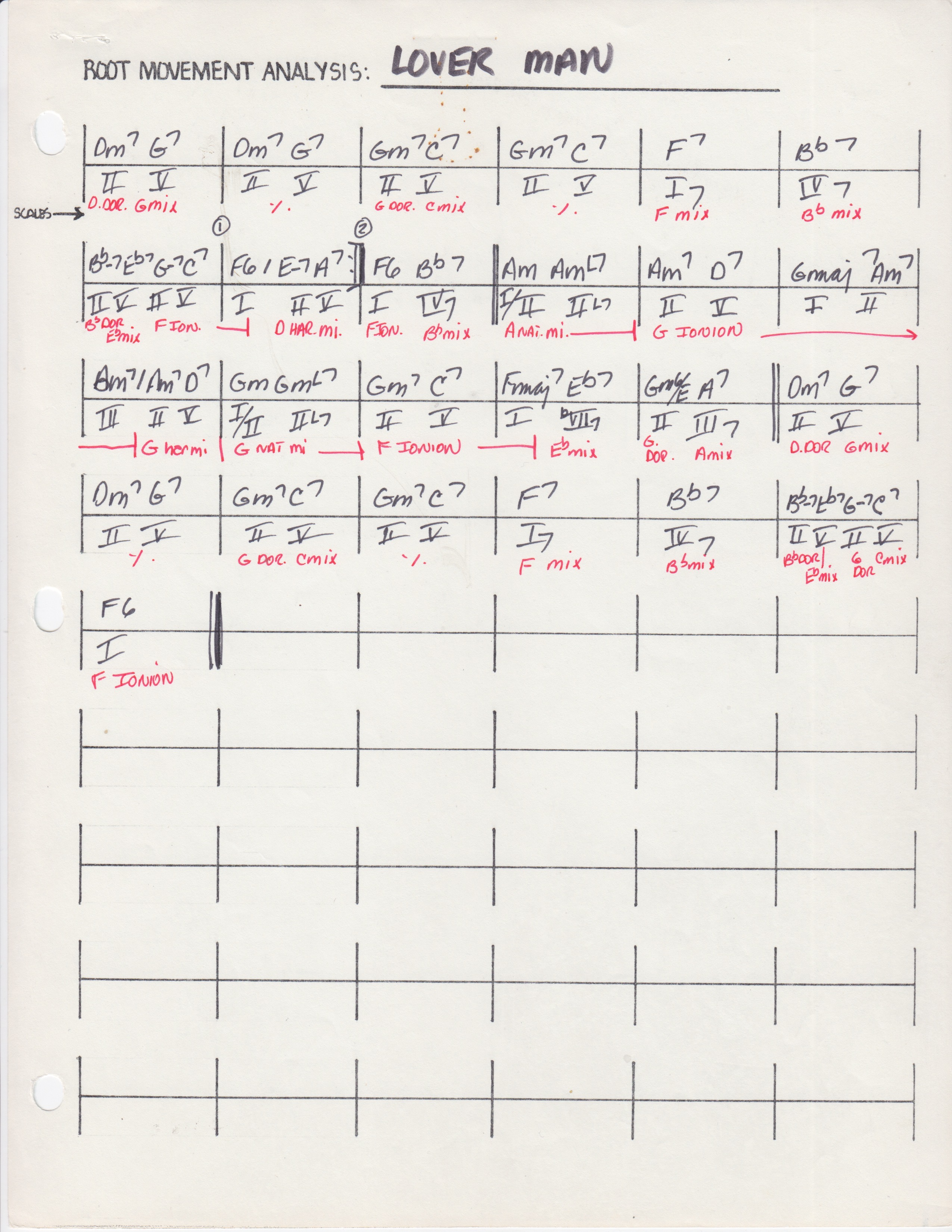
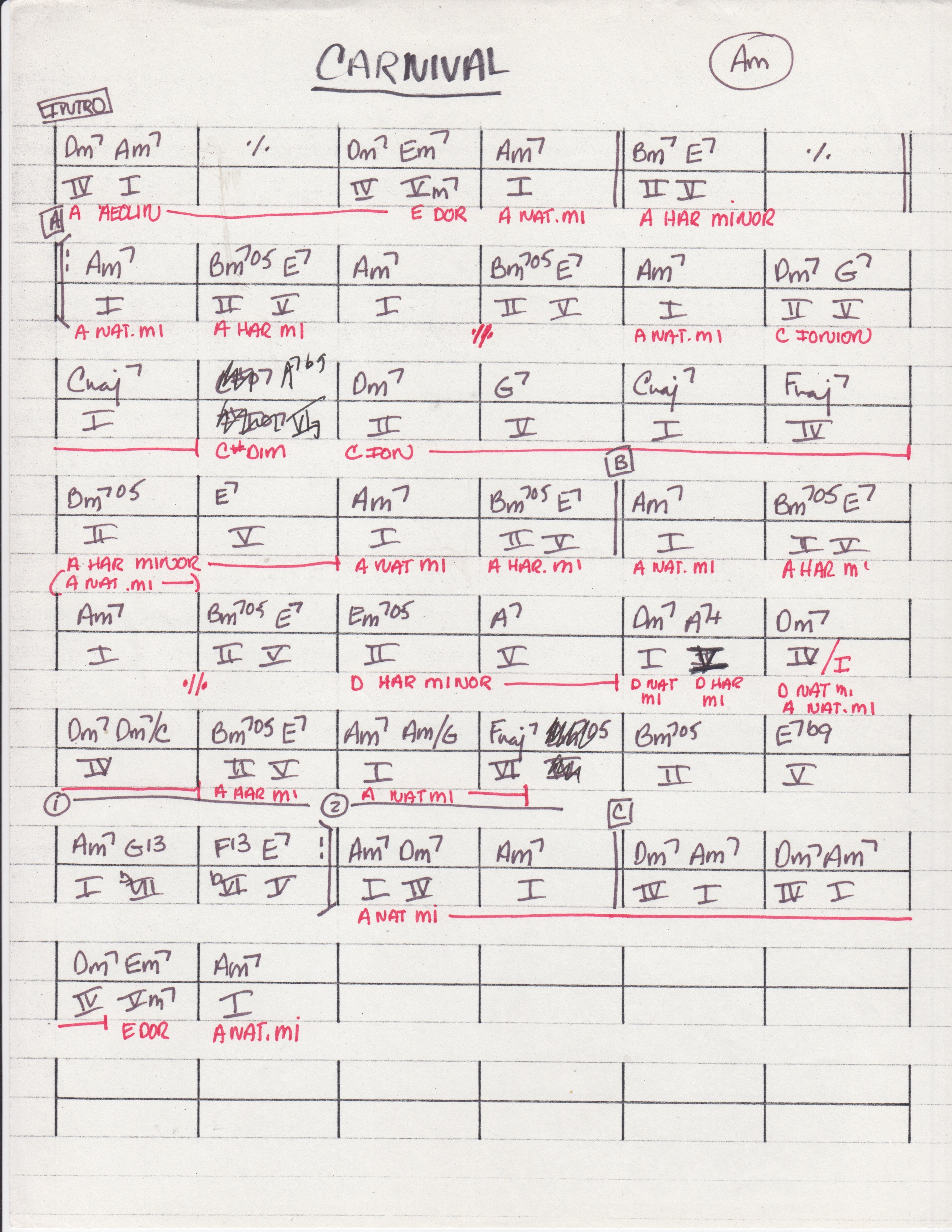
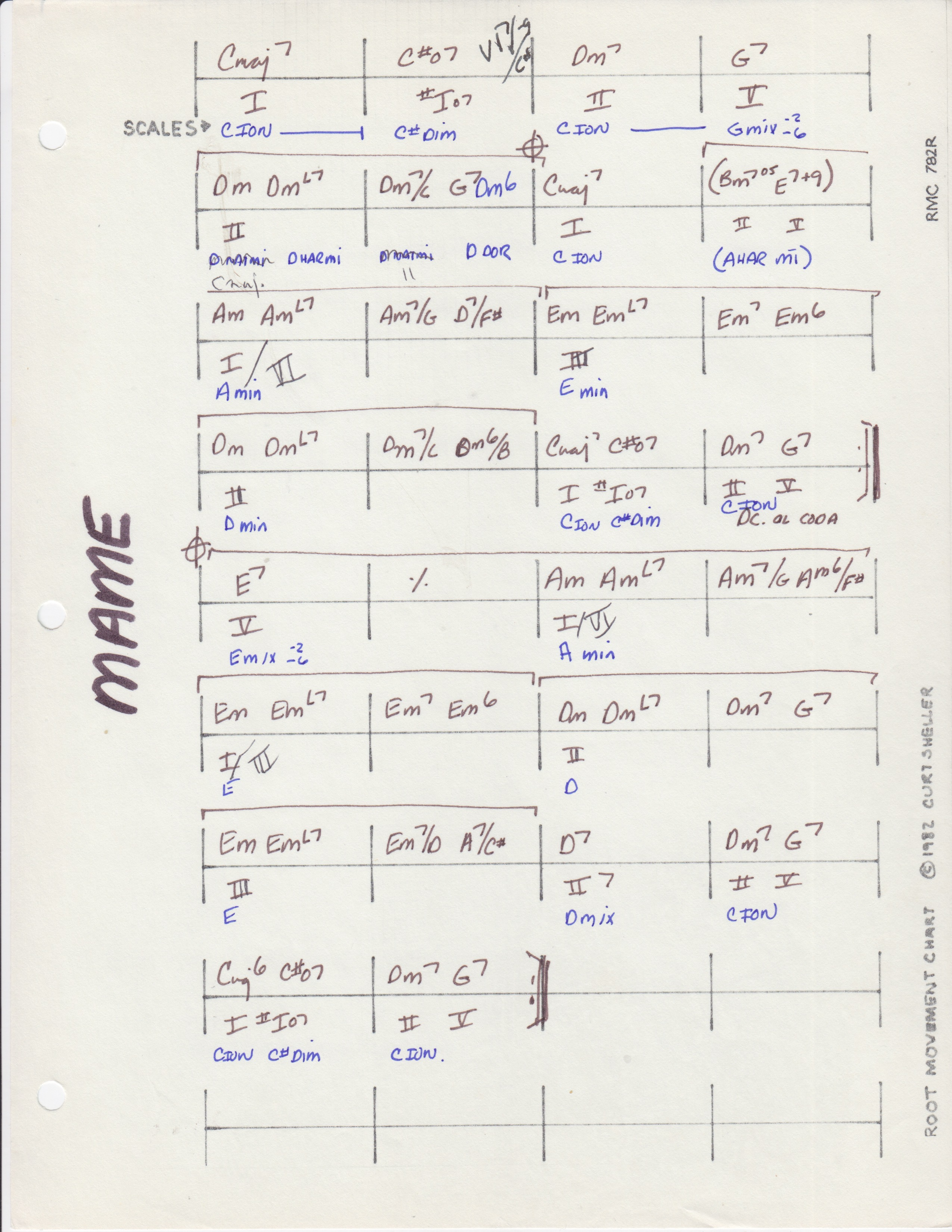
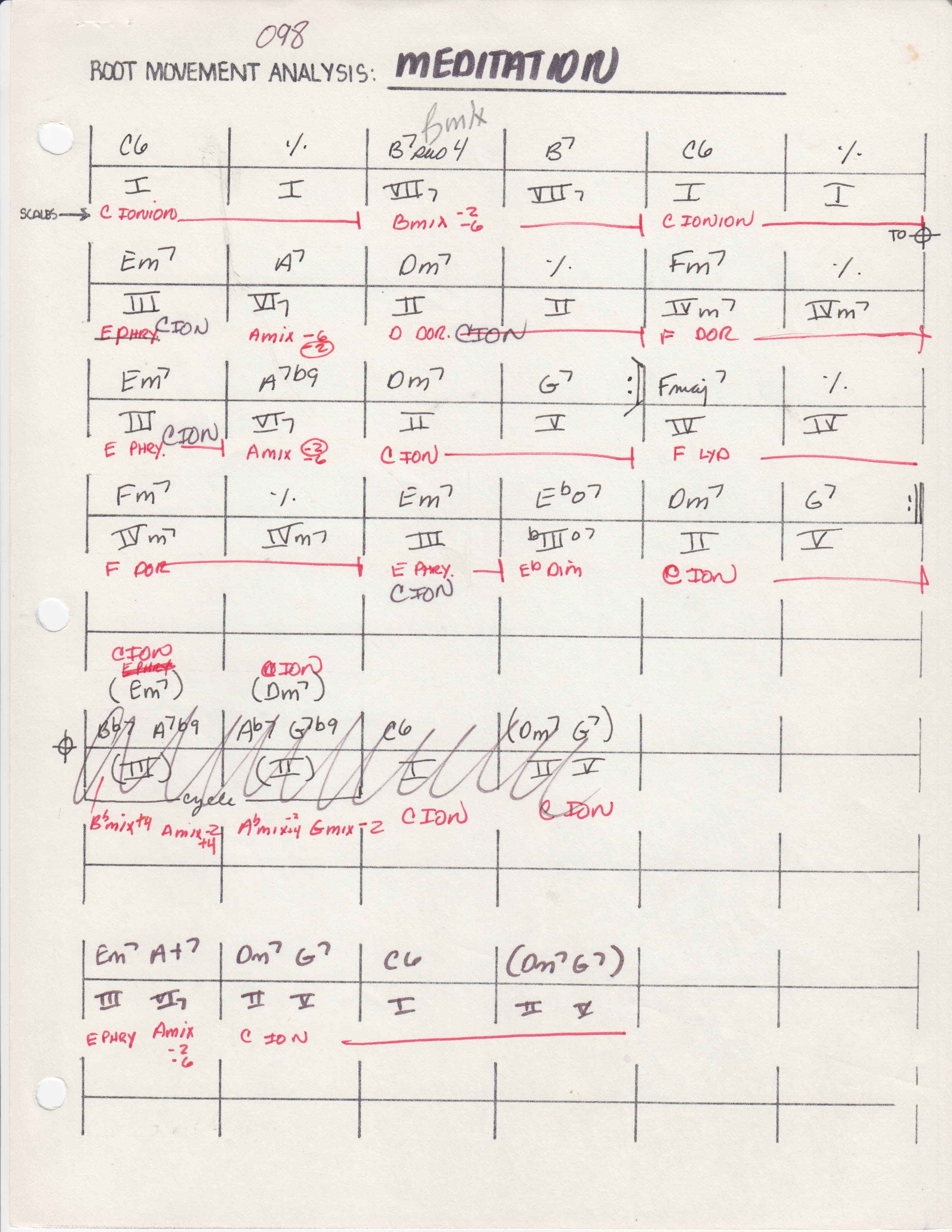
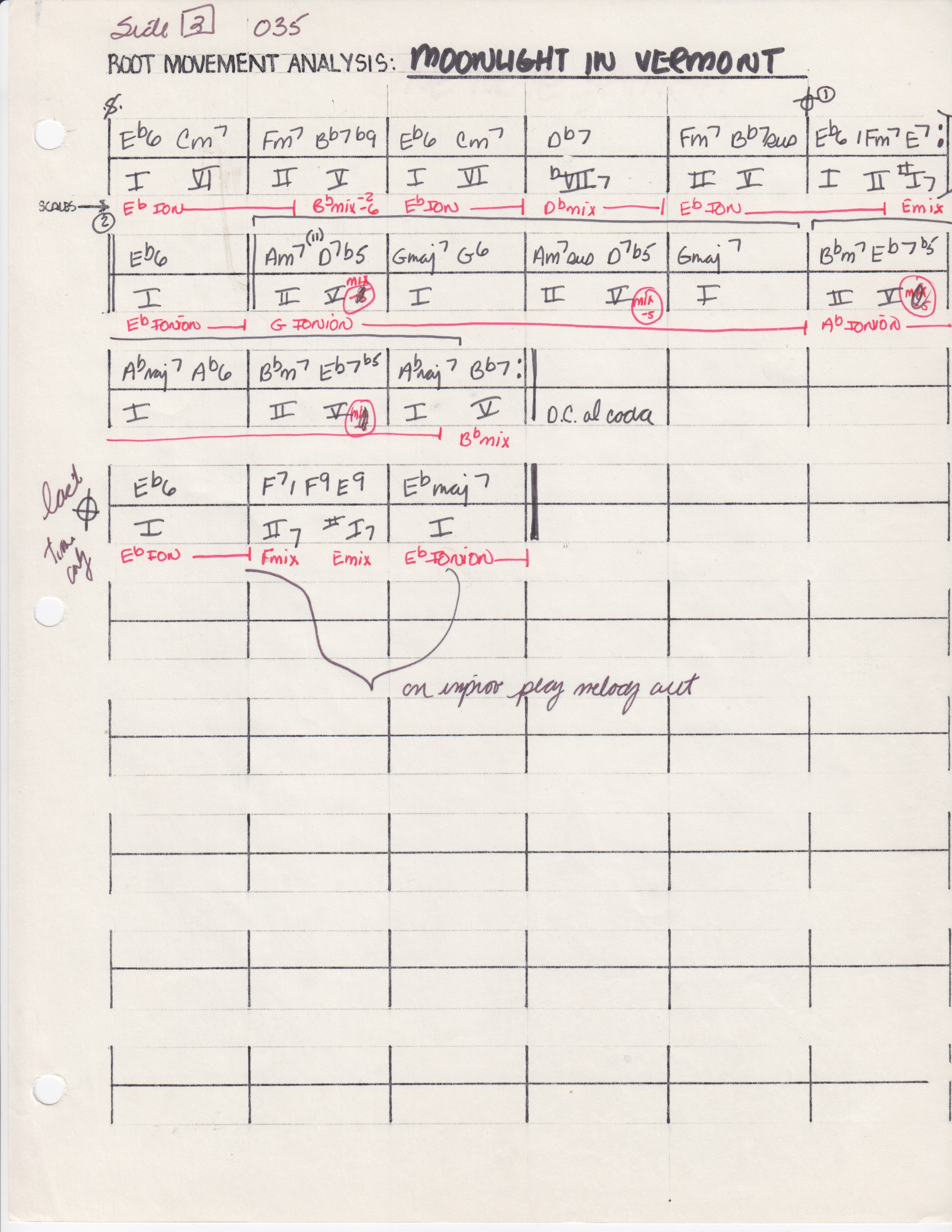
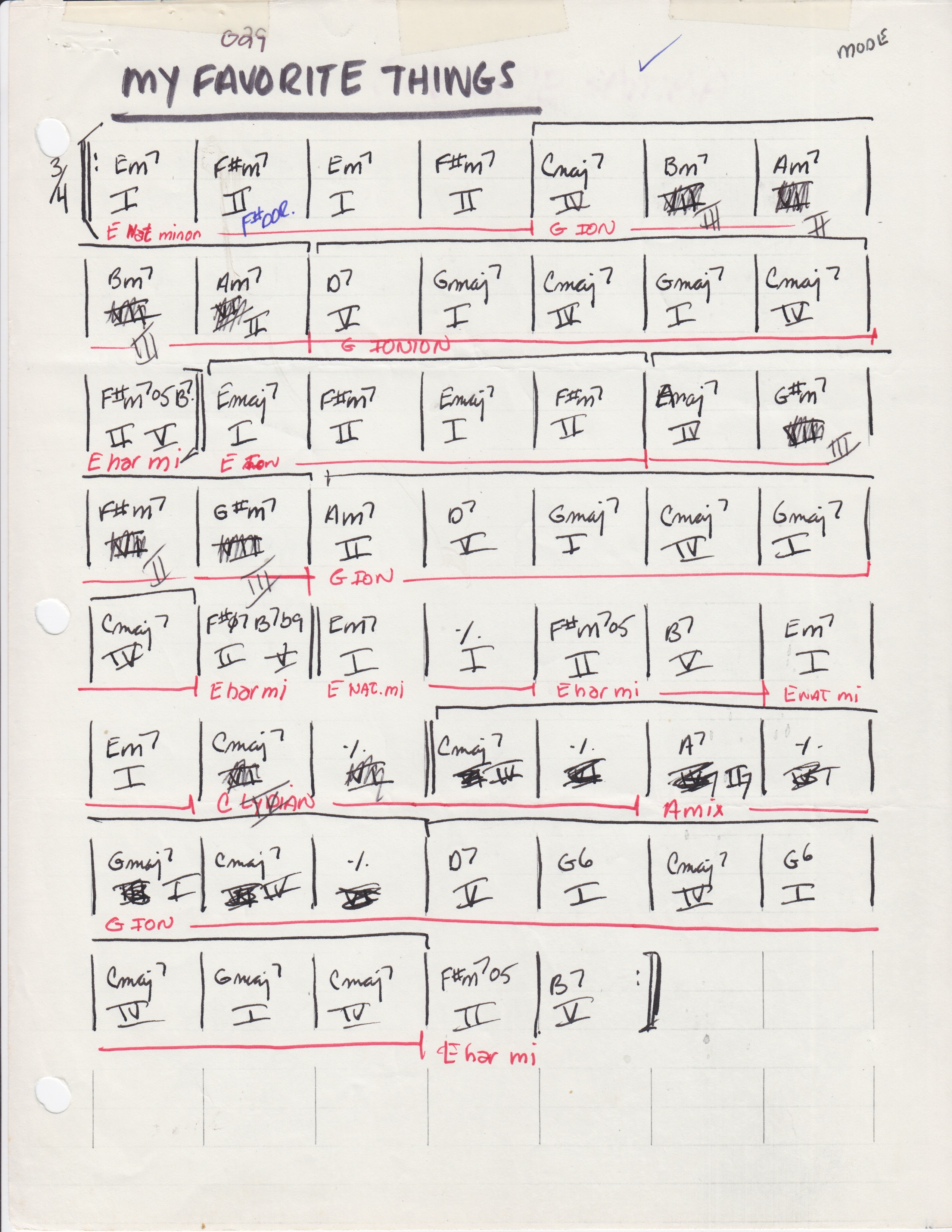
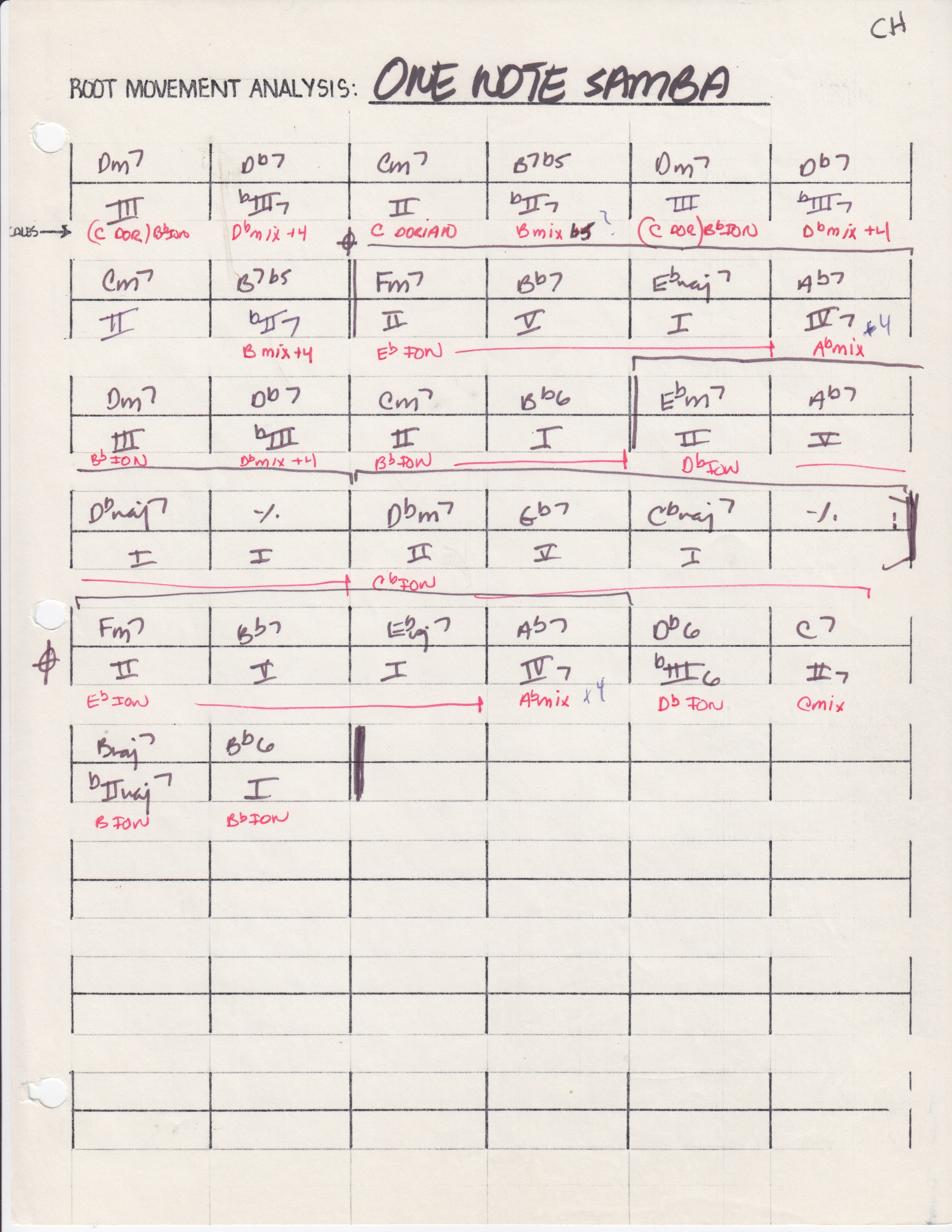
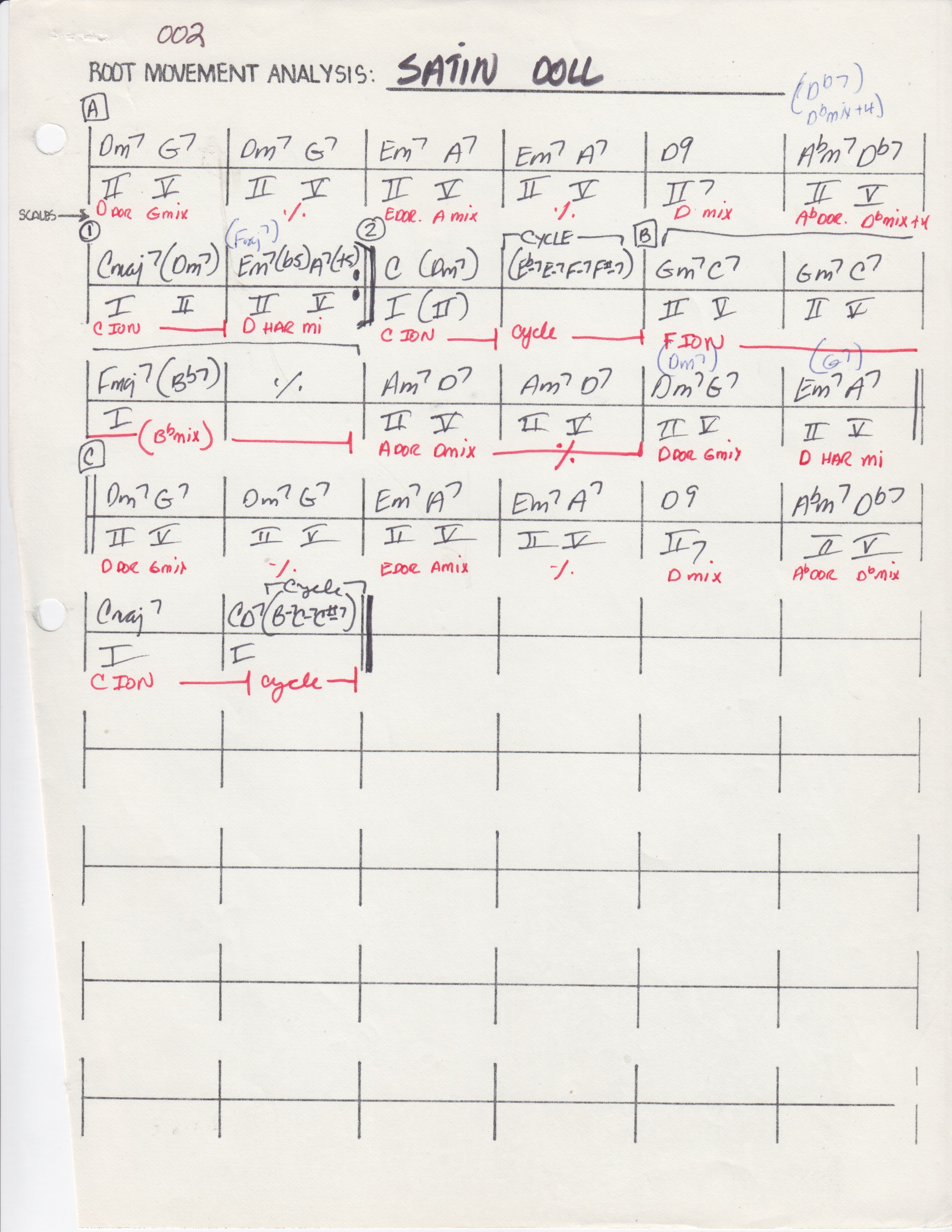
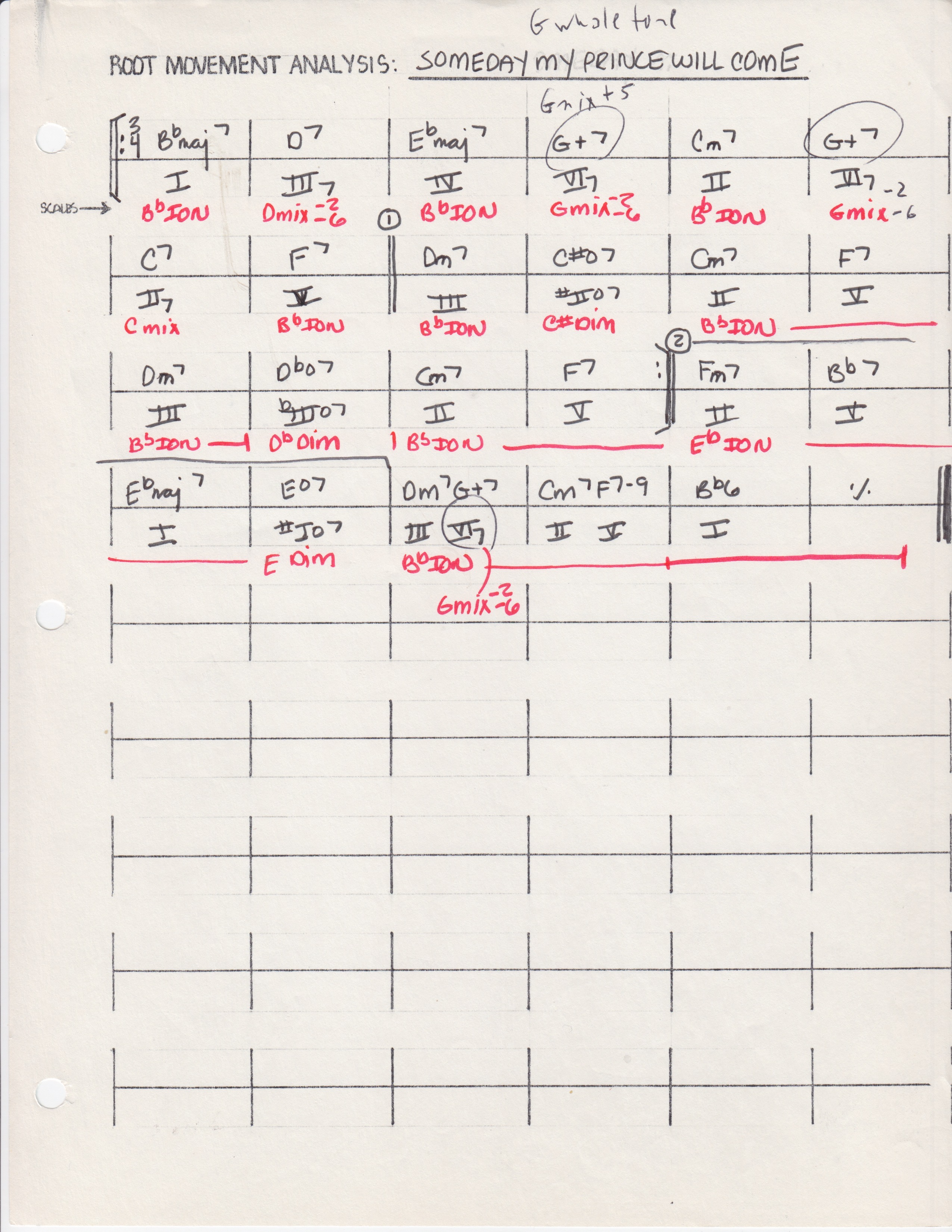
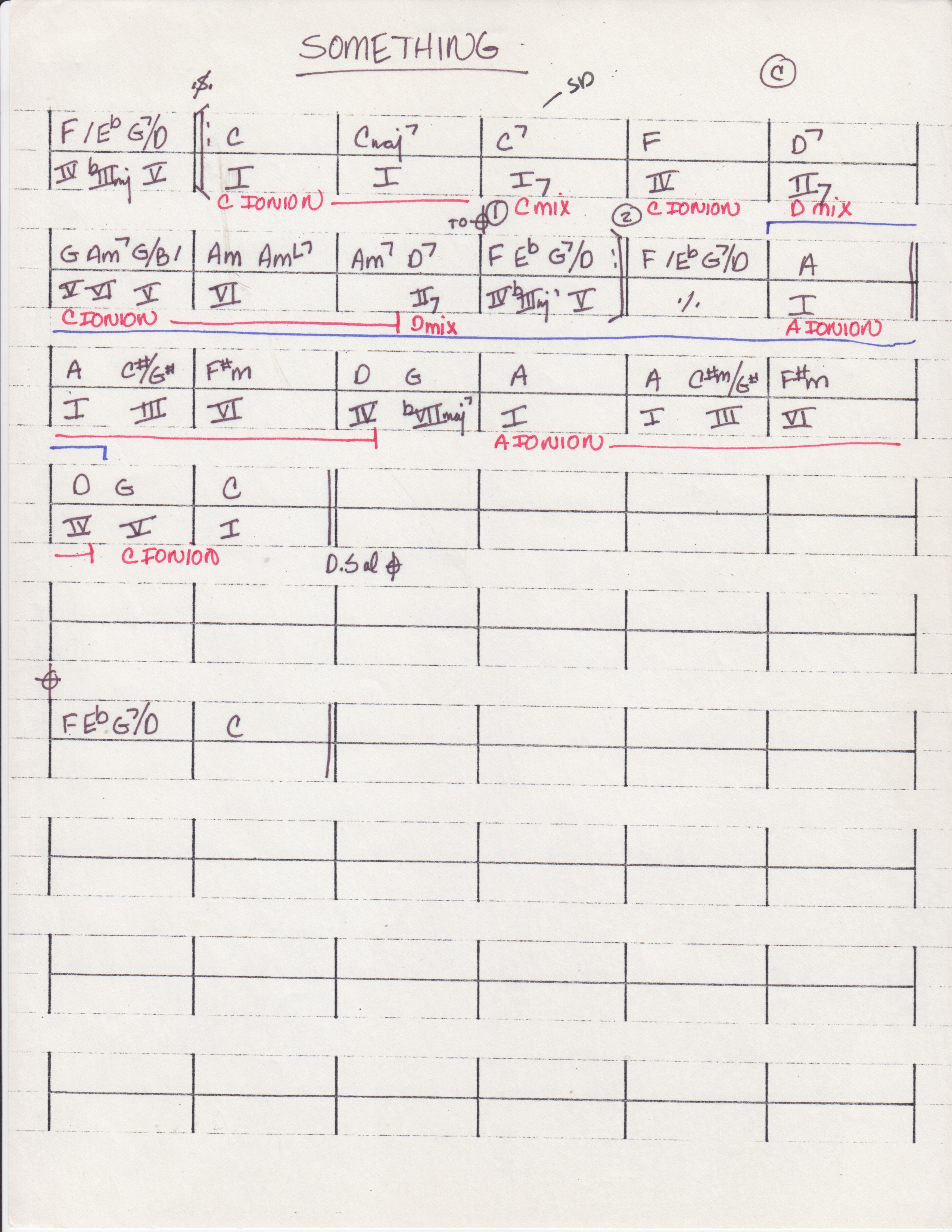
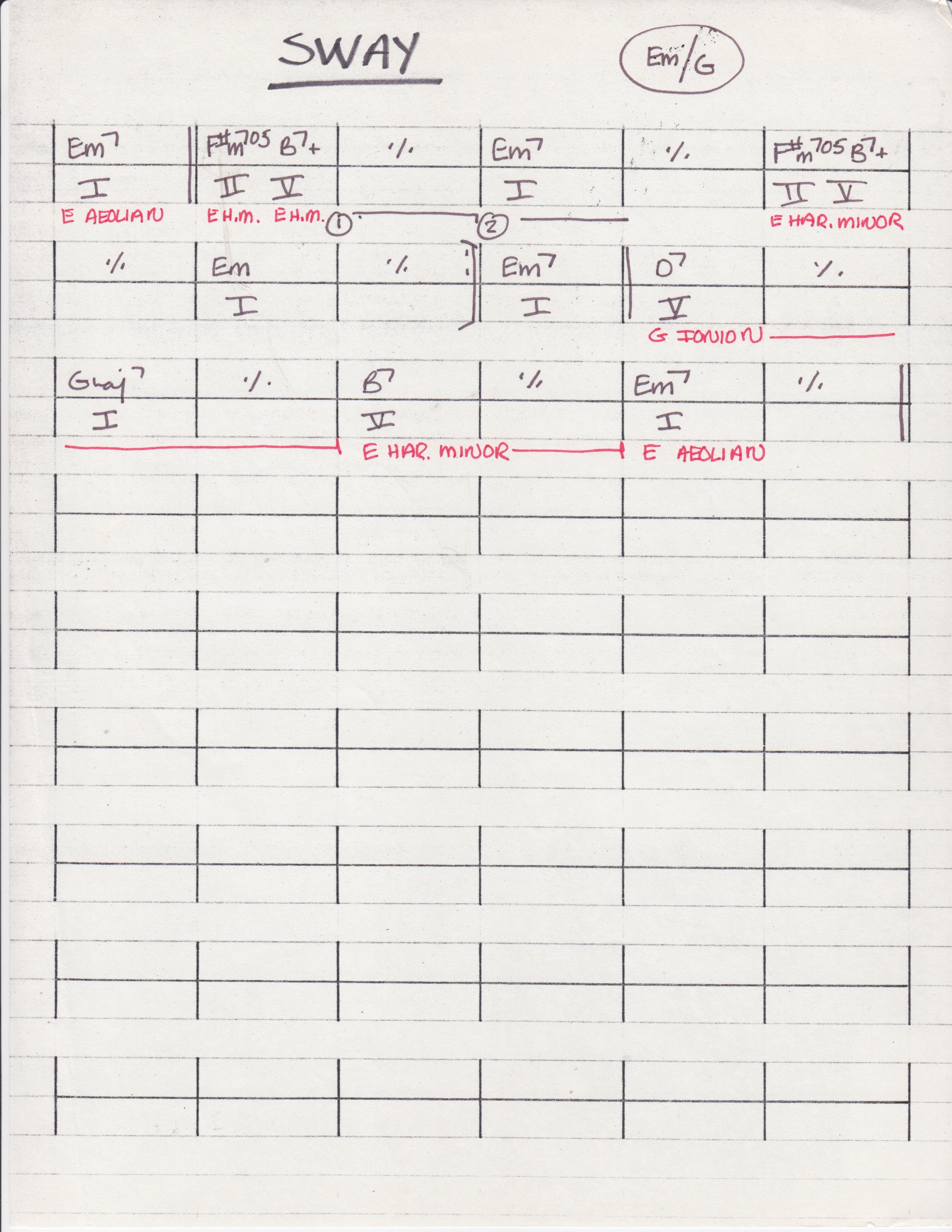
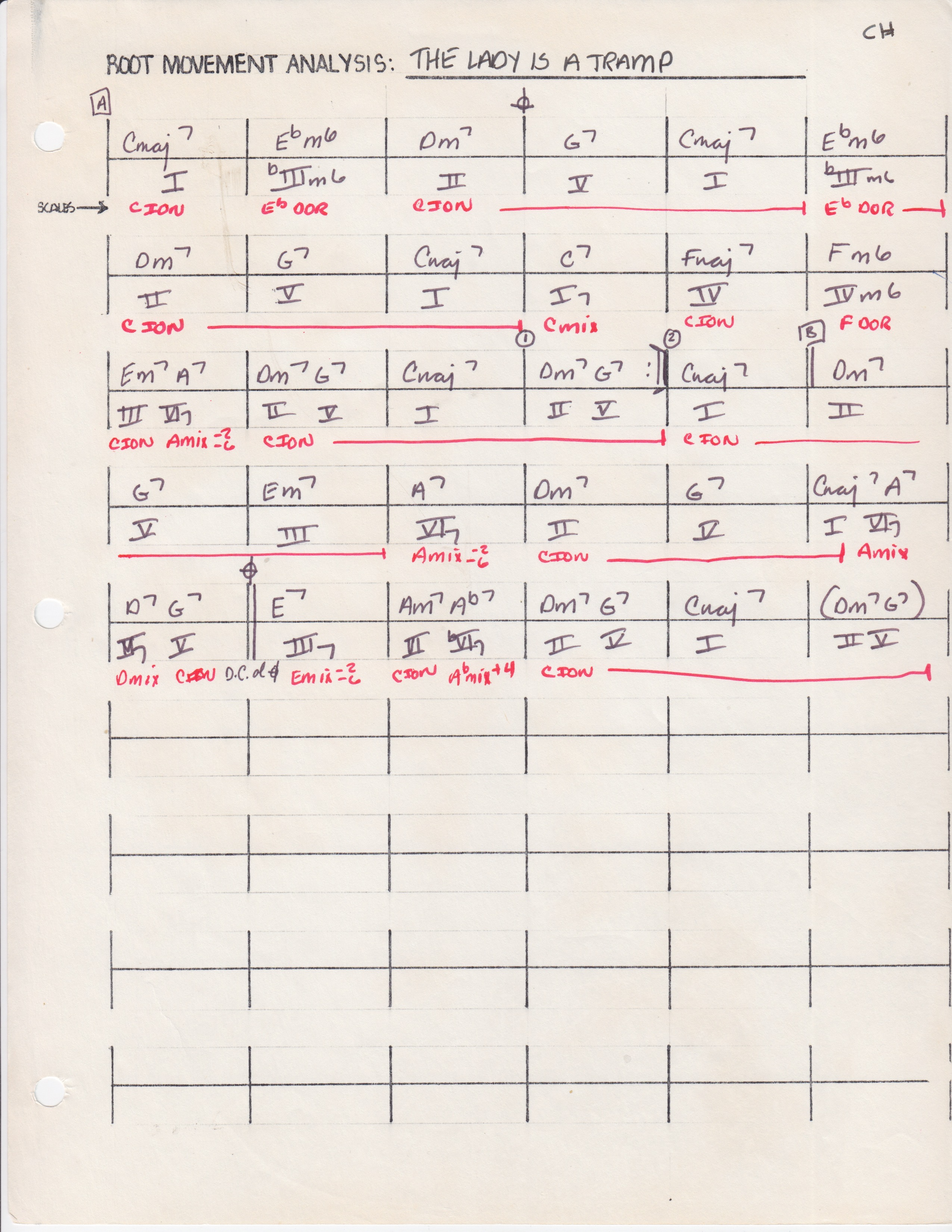
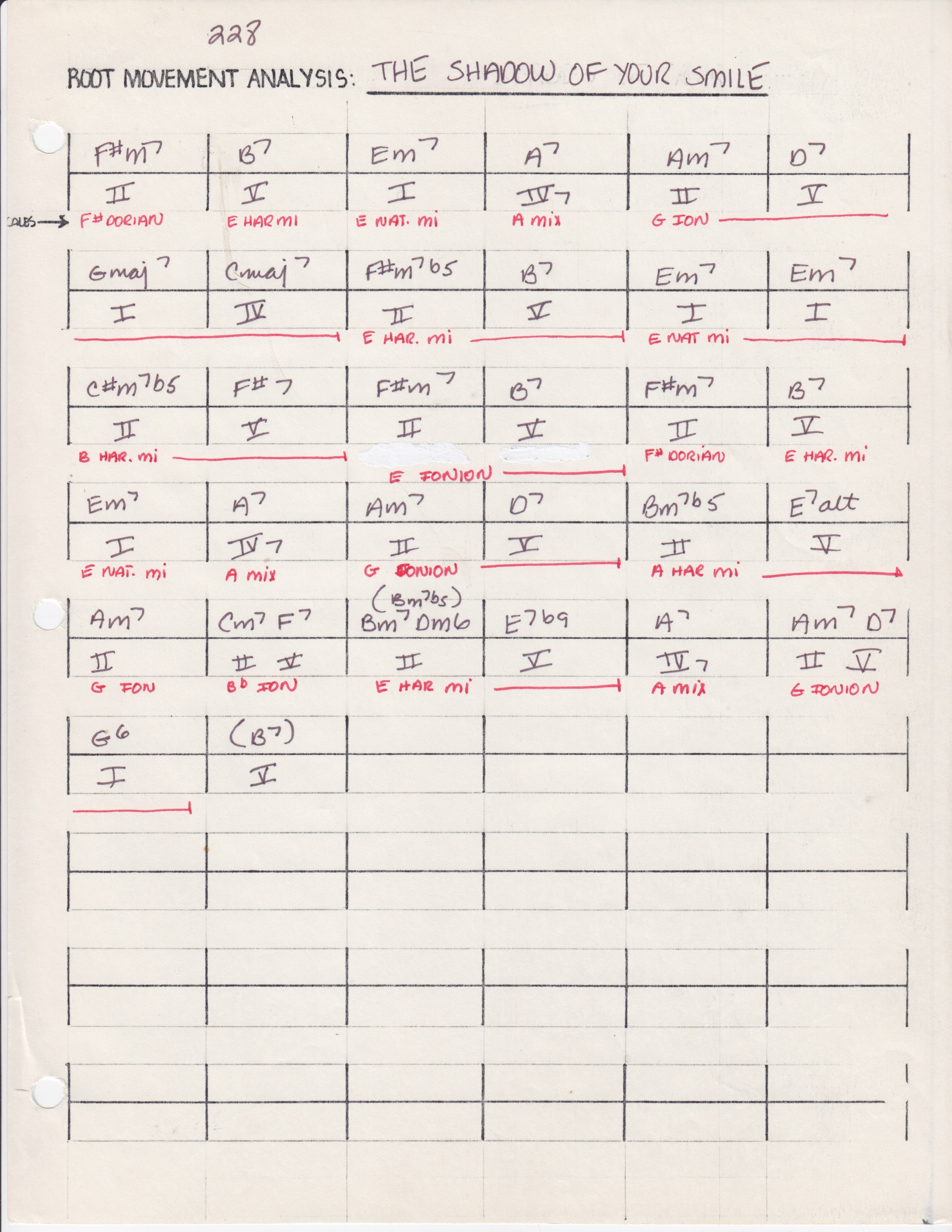
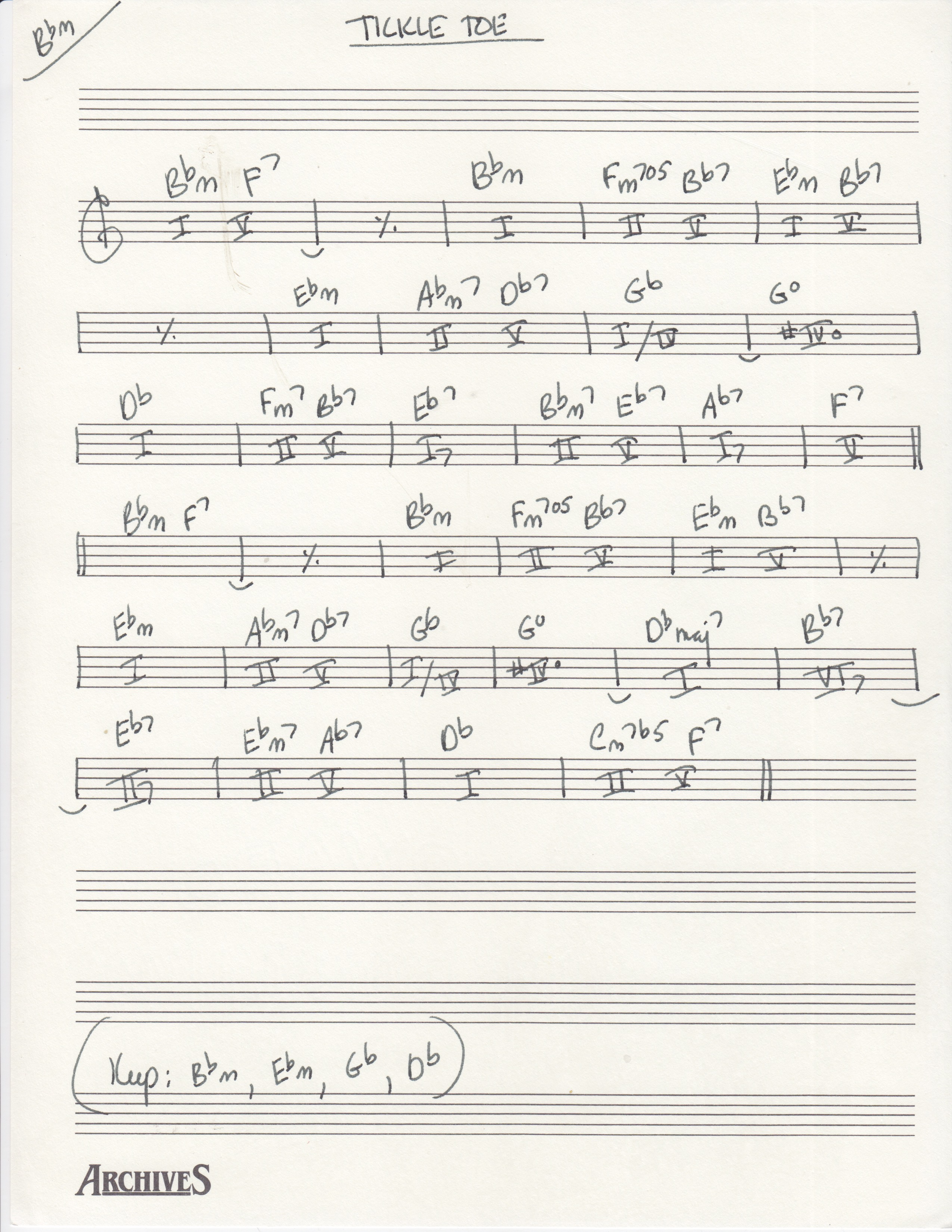
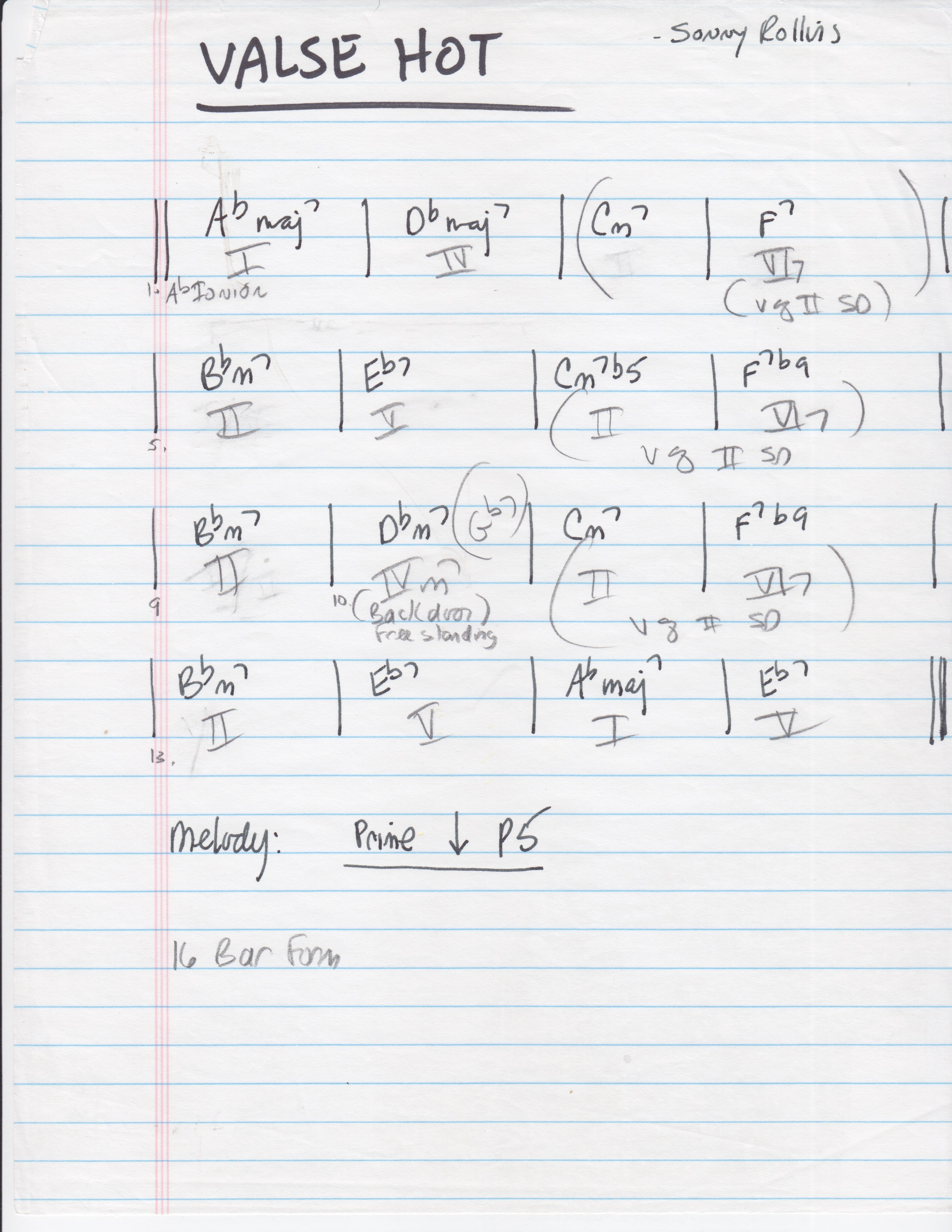
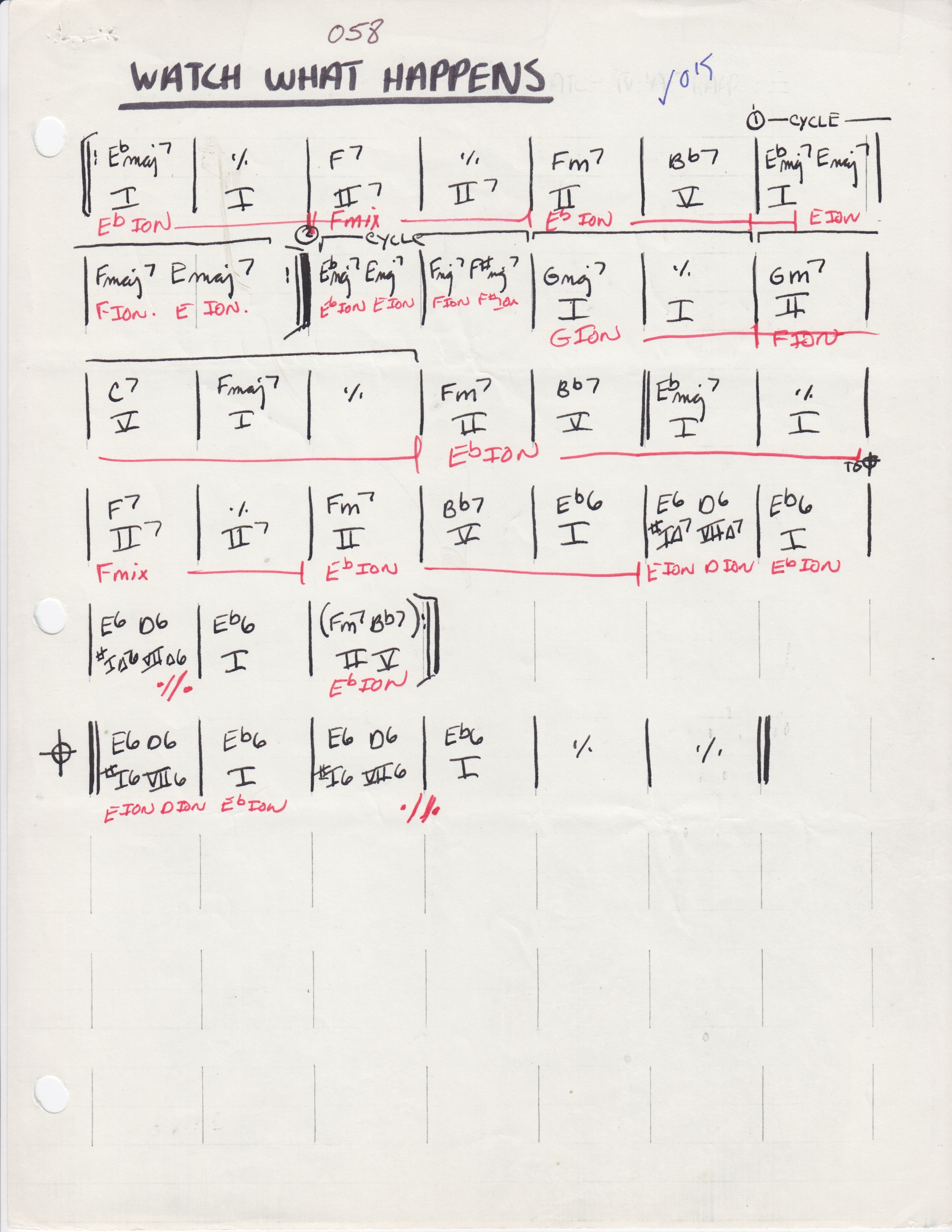
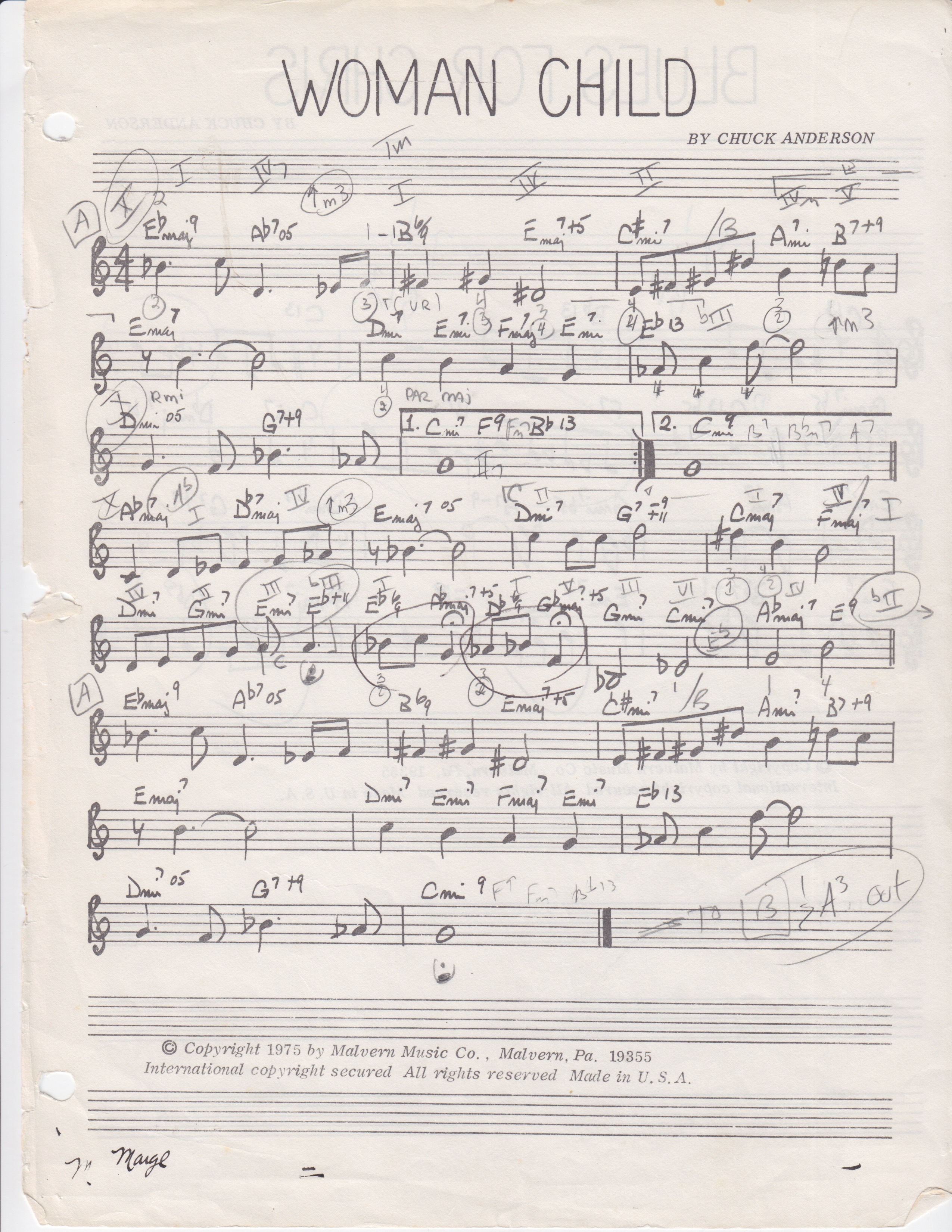
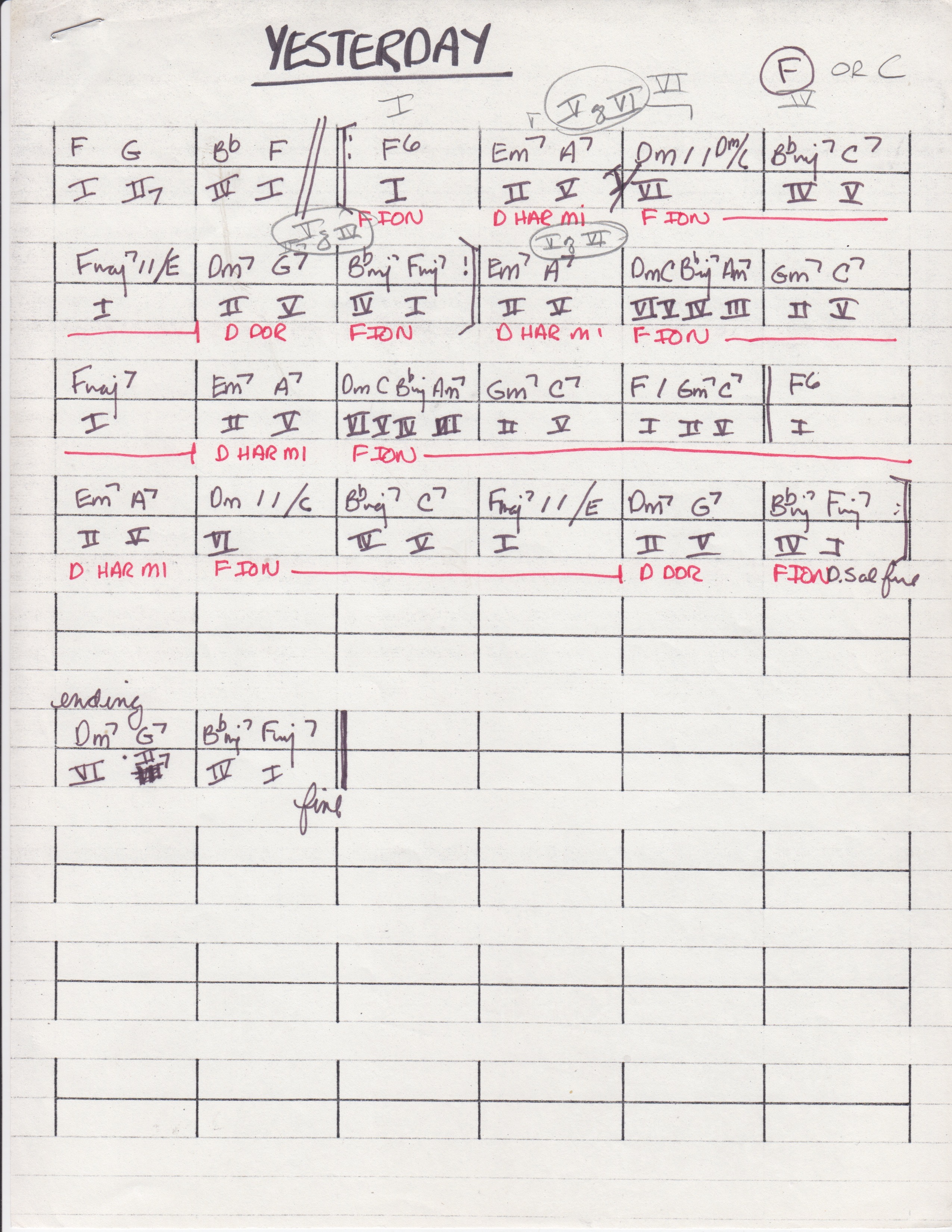
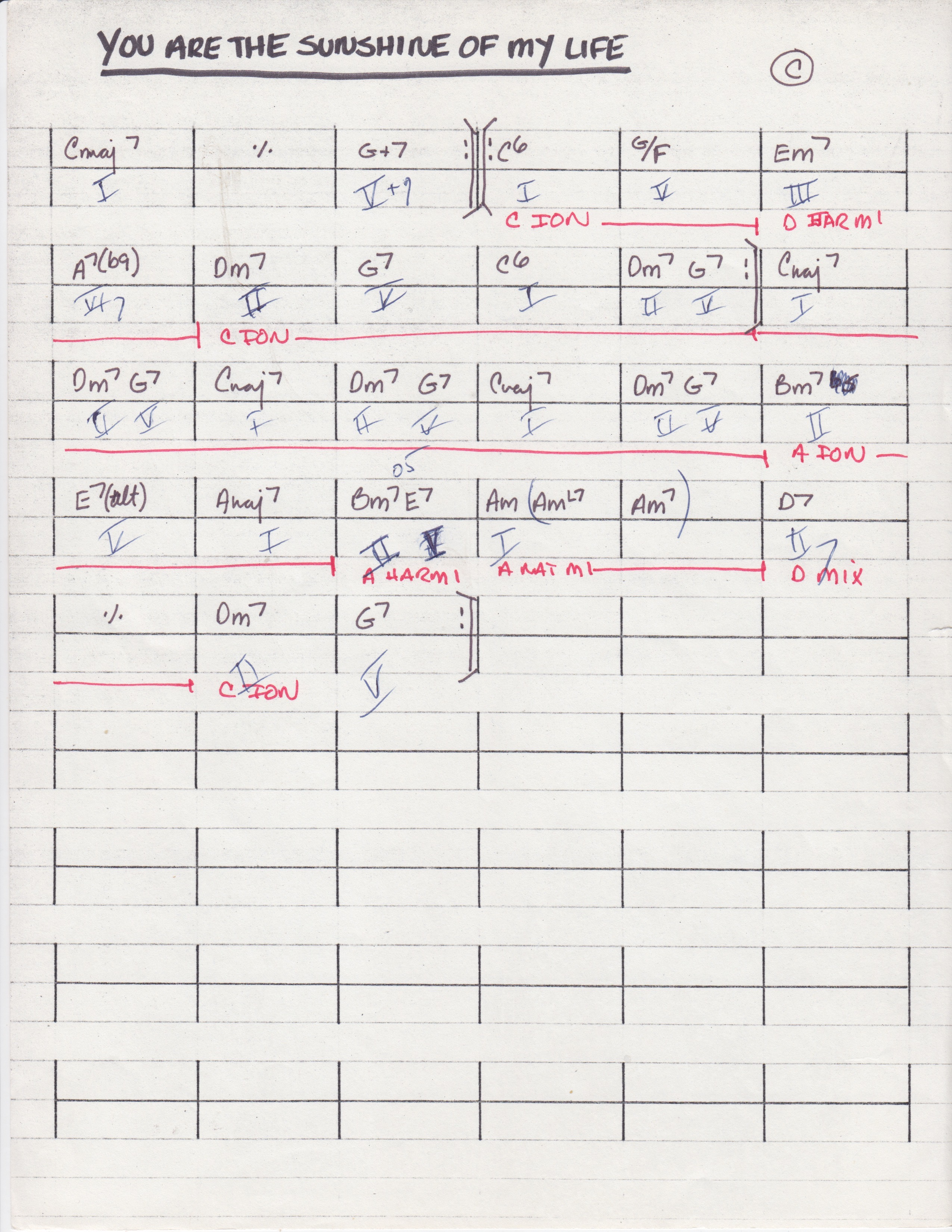
I, (Curt) just dug up my handwritten RMA worksheets of a bunch of songs and scanned them for historical or historical purposes — your call ;-).

4-part Contemporary Chords, a.k.a. Jazz Chords
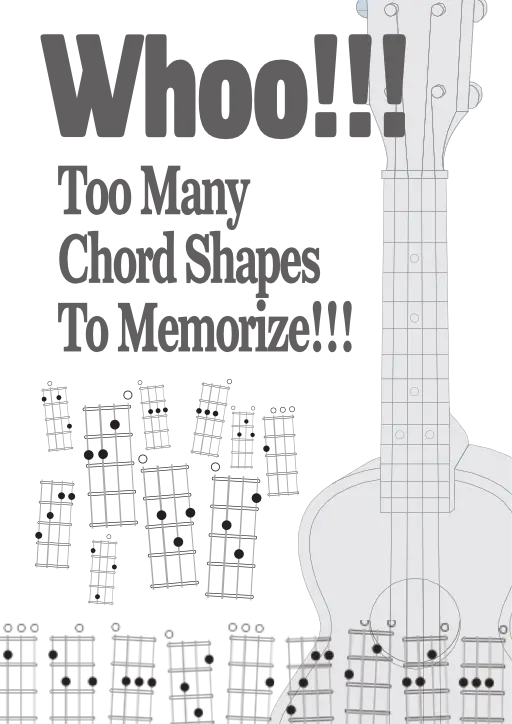
Core Chords is a series of lessons for building your 4-part chords. These chords commonly called jazz chords, are really just 4-part chords used in a wide range of musical styles. Beyond basic open position chords, basic movable form chords and a core set of 4-part chords. There are just too many chords shapes too memorize. Learning the principles of how chords are constructed and the ukulele fingerboard are the way to go. Then you can create more advanced chords like 9#11, 7#5-9, 13b5, 7+9 on the fly as needed.





Chord a Day, January 11th - D7
Learn a new Ukulele chord every day of the year. The chord for January 11th is D7. This partial D7 is ofter referred to as the Hawaiian D7 chord after its use in the Chord sequence C D7 G7, a common turnaround in Hawaiian music. So much so that it's called the Hawaiian Turnaround.
Chord a Day, March 3rd - F7
Learn a new Ukulele chord every day of the year. The chord for March 3rd is F7. We are now entering into the so-called “Jazz” chord, world of chords. Technically “Jazz” chords are simply 4-part contemporary chords that find the use in a wide variety of traditional and contemporary music.
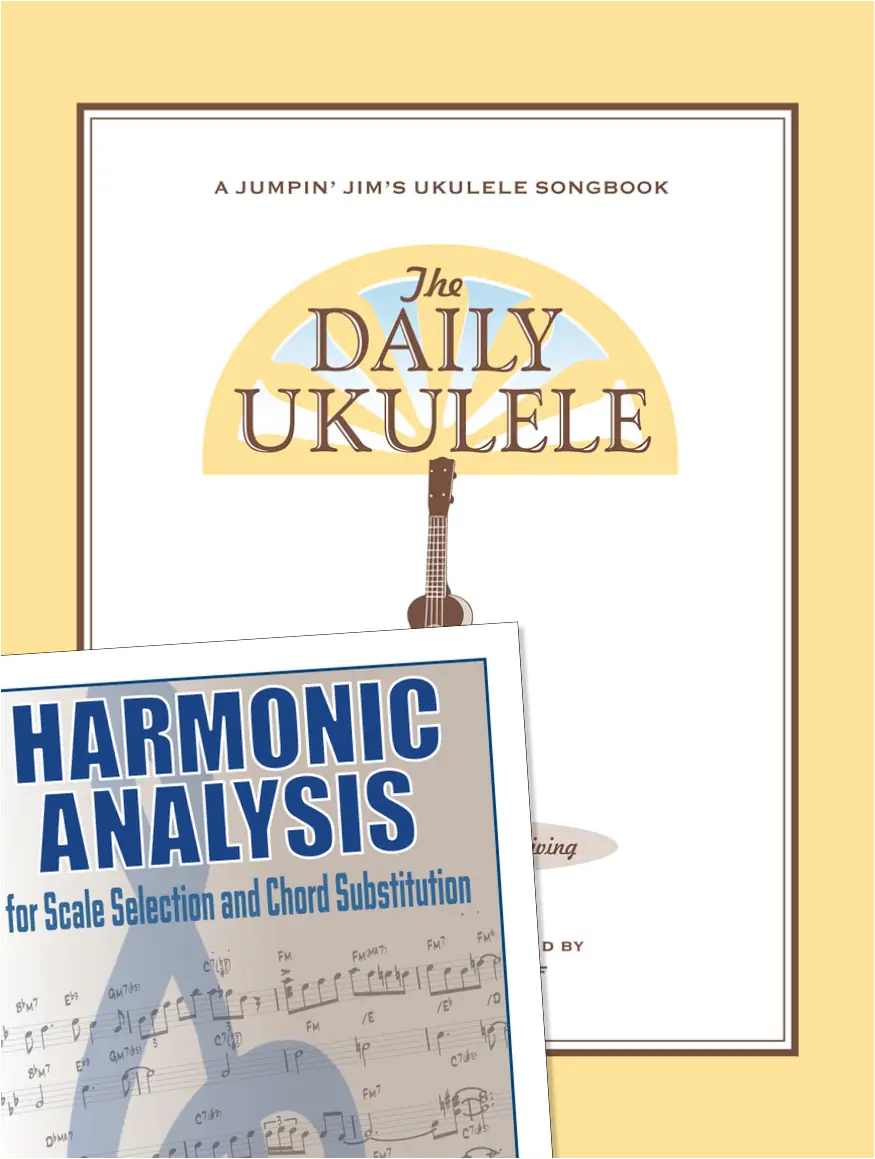
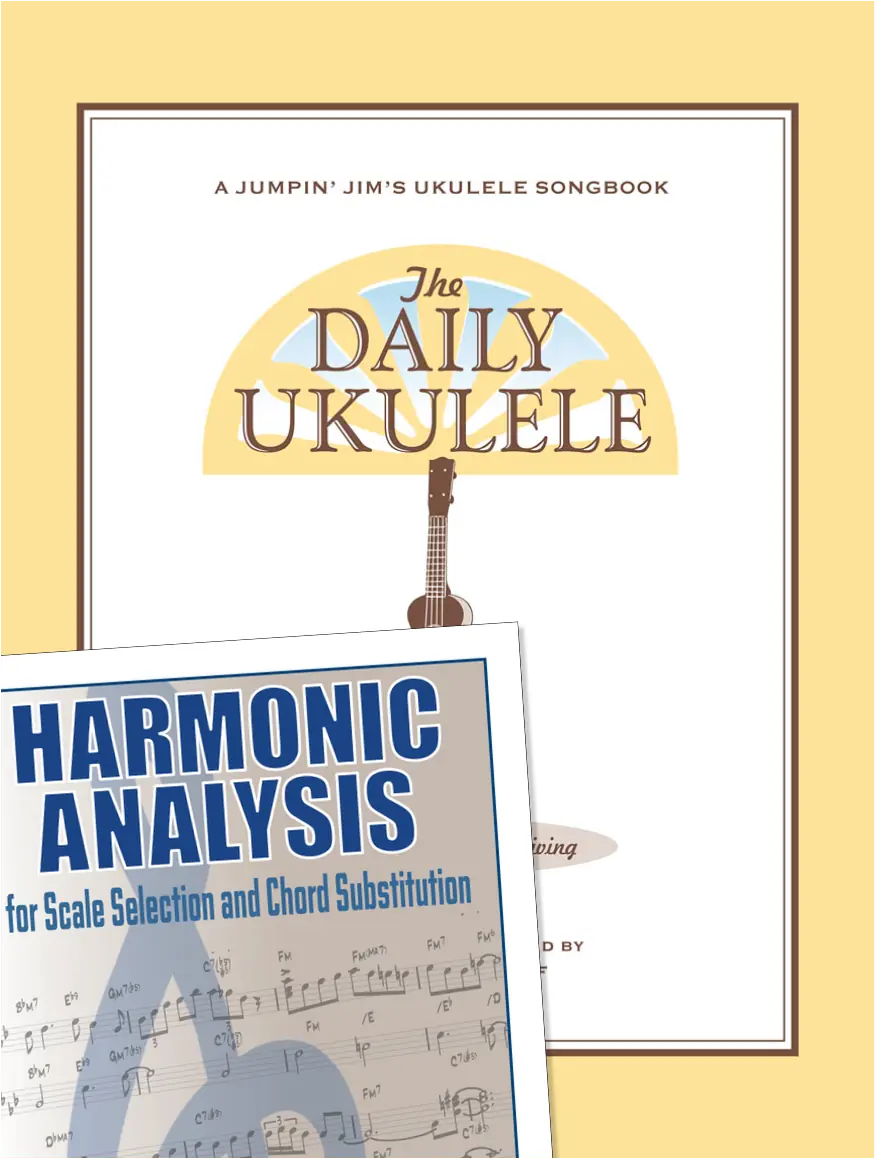
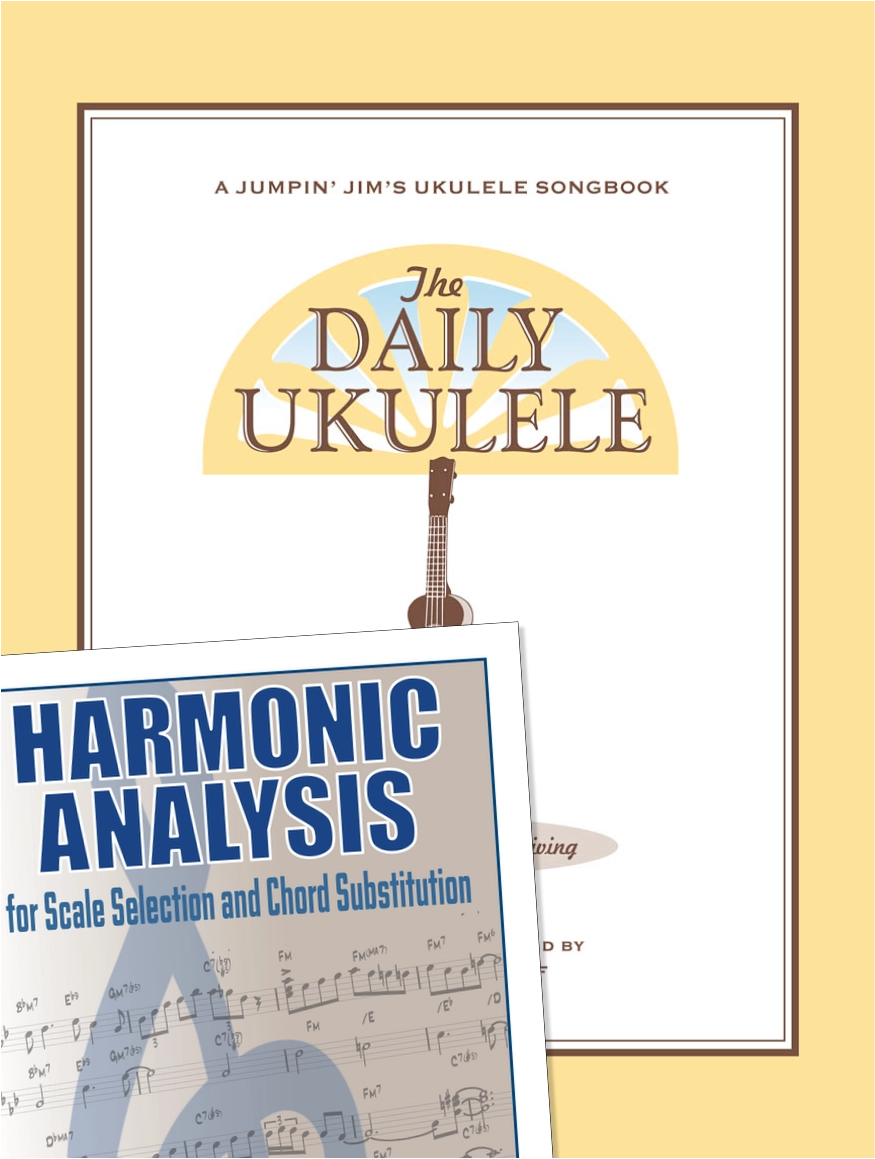

Harmonic Analysis - Basic Concepts
Harmonic Analysis (HA) is the process of determining the root movement of chords within a chord progression, the chord types that are used as well as identifying tonal centers. This root movement can be determined and categorized using one of six harmonic principles and the harmonized chord charts referenced in the lessons.
Harmonic Analysis - Chord Substitution Principles
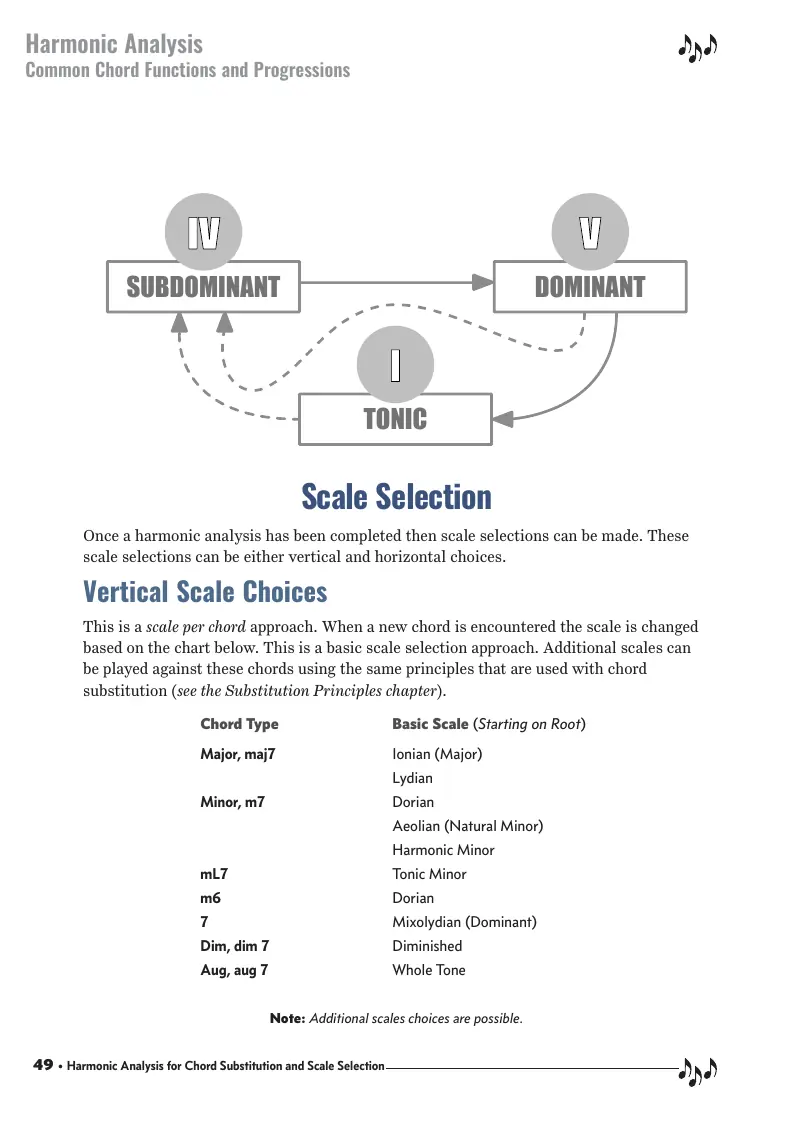
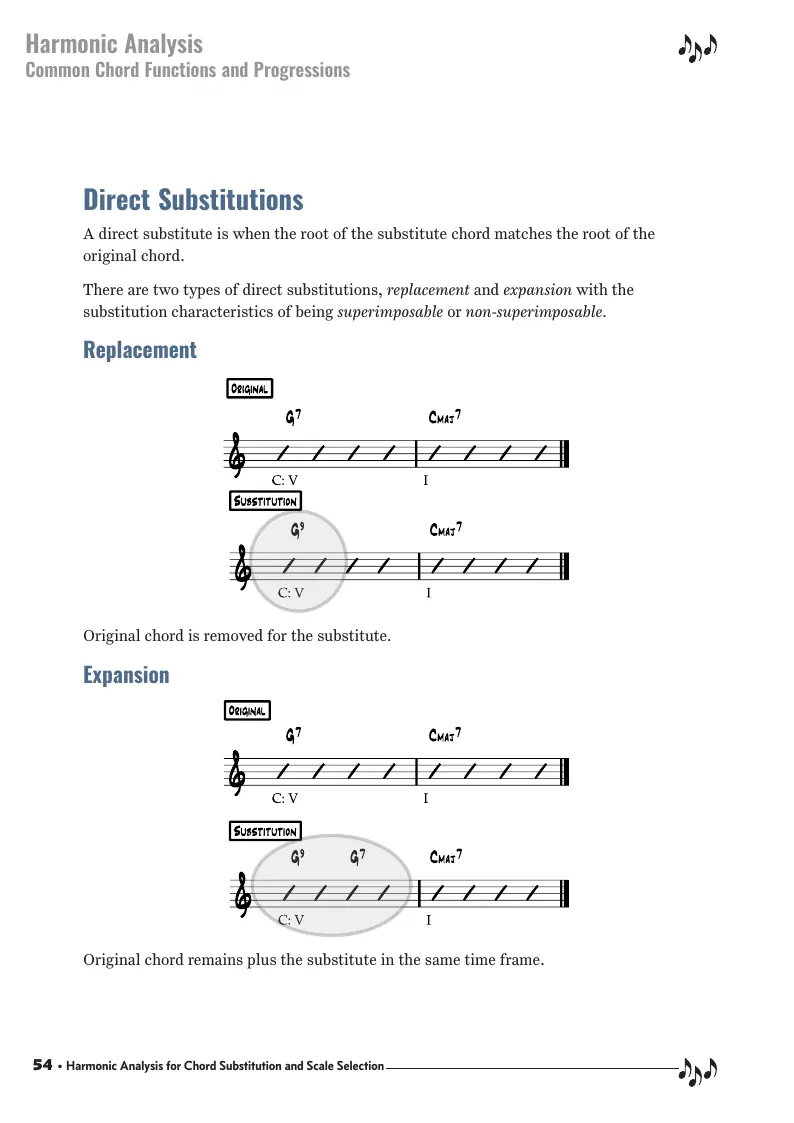
A "Substitution" is when a chord replaces or is used in addition to an existing chord. Chords can have an active or passive quality to them. Active chords tend to be restless and want to move on to other chords. Passive chords tend to offer a feeling of rest and resolution. This cycle of active and passive chords are what gives chord progressions their feeling of movement.
Harmonic Analysis - Chromatic
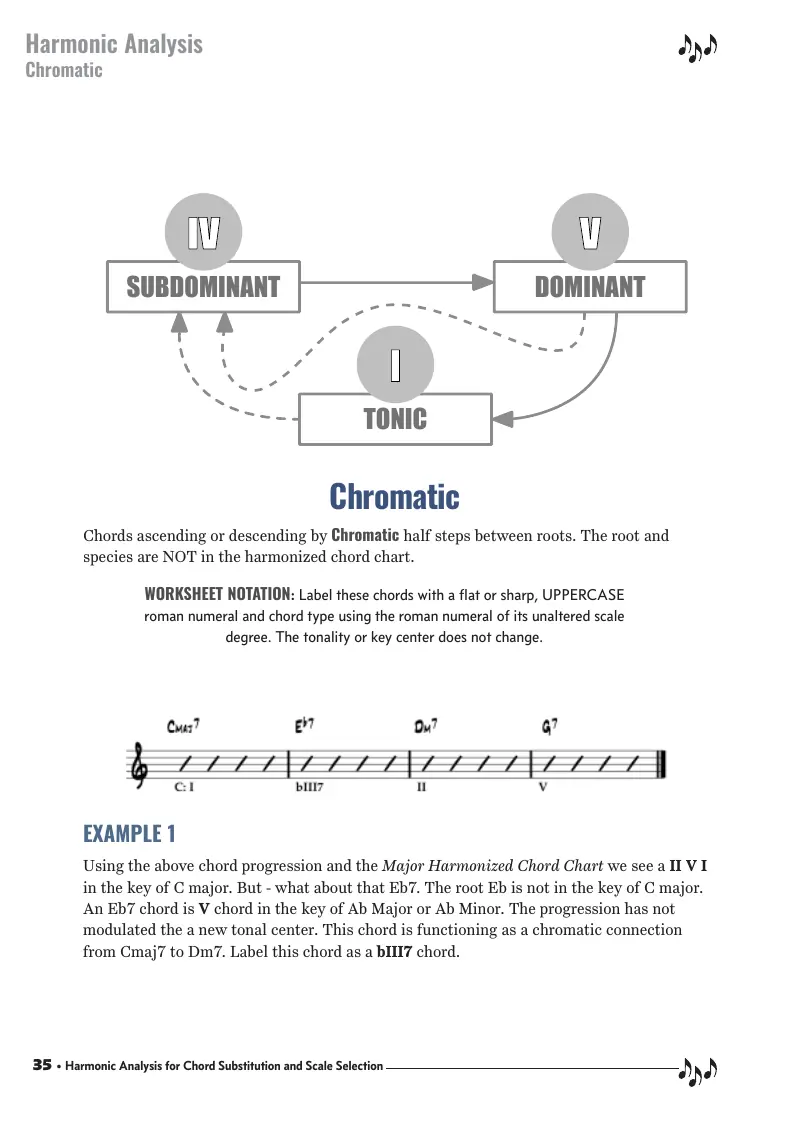
Harmonic Analysis is the understanding of the functional sequence of chords. It is the process used to analyze the harmonic structure of a progression, song, or composition. This analysis is then used to make scale selections for improvisation and chord substitution. This lesson covers the Chromatic harmonic principle.
Harmonic Analysis - Cycles
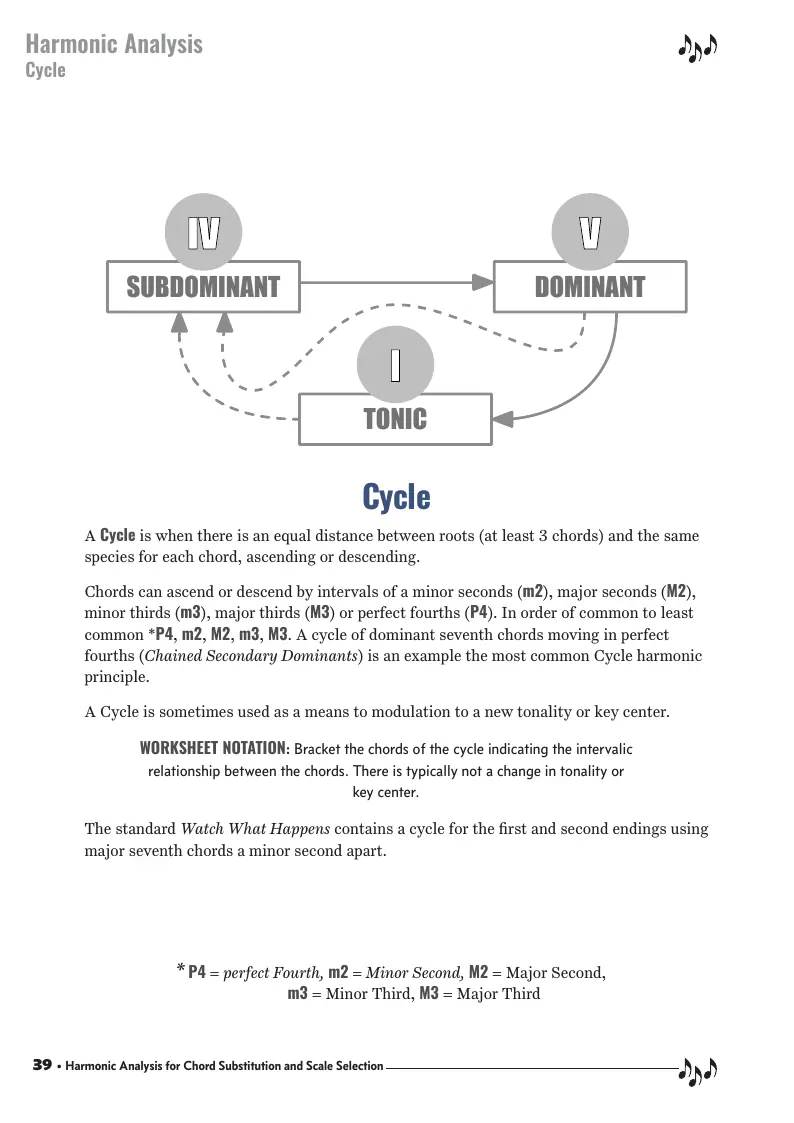
Harmonic Analysis is the understanding of the functional sequence of chords. It is the process used to analyze the harmonic structure of a progression, song, or composition. This analysis is then used to make scale selections for improvisation and chord substitution. This lesson covers the Cycles harmonic principle.
Harmonic Analysis - Full Diatonic
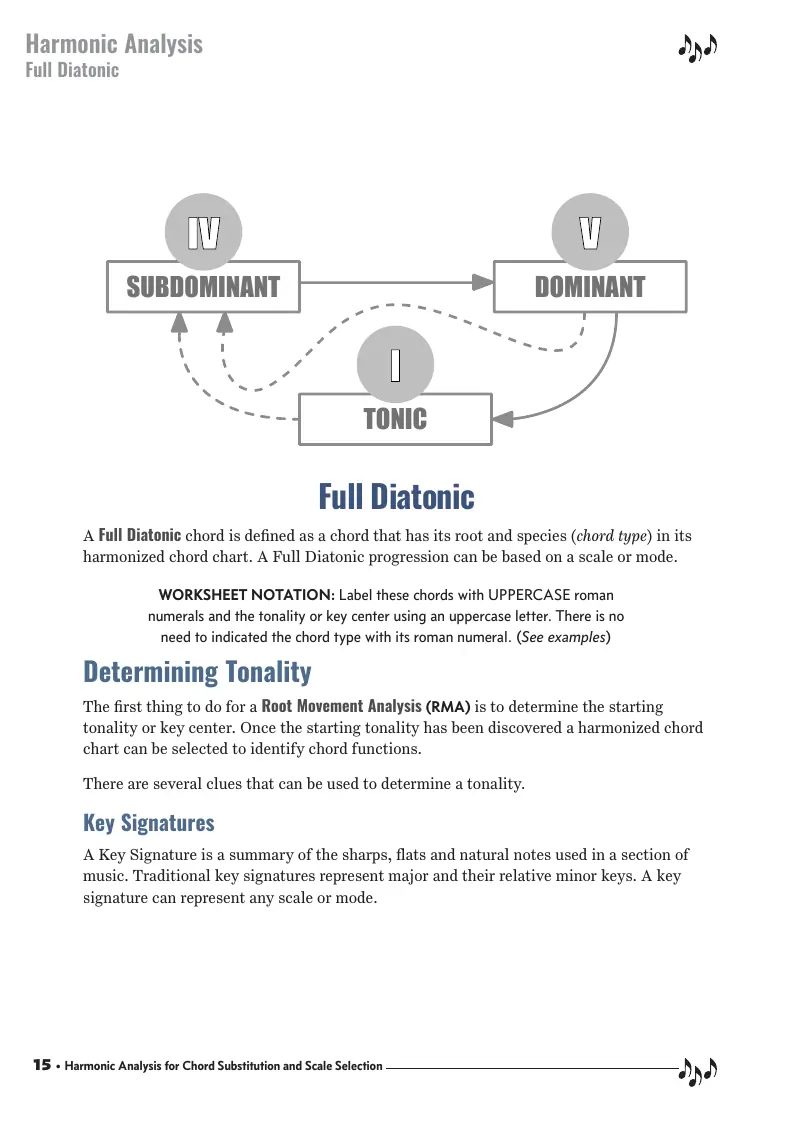
Harmonic Analysis is the understanding of the functional sequence of chords. It is the process used to analyze the harmonic structure of a progression, song, or composition. This analysis is then used to make scale selections for improvisation and chord substitution. This lesson covers the Full Diatonic harmonic principle.
Harmonic Analysis - Internal Modulation
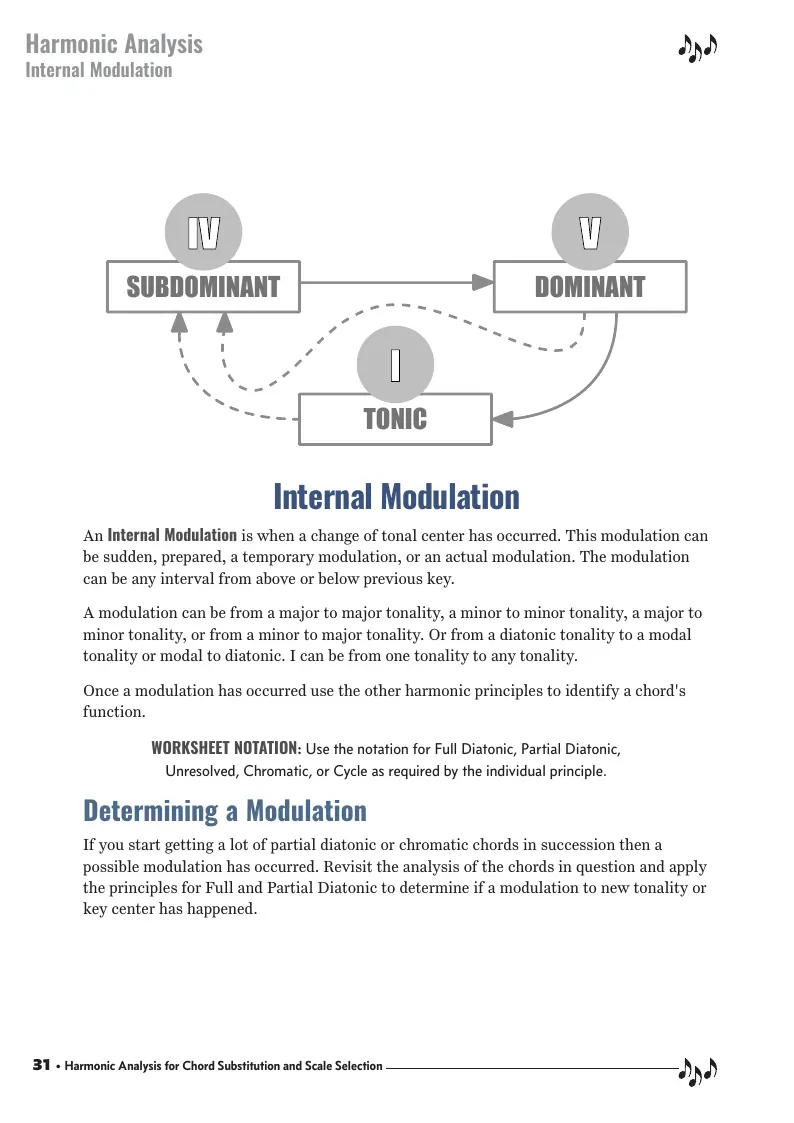
Harmonic Analysis is the understanding of the functional sequence of chords. It is the process used to analyze the harmonic structure of a progression, song, or composition. This analysis is then used to make scale selections for improvisation and chord substitution. This lesson covers the Internal Modulation harmonic principle.
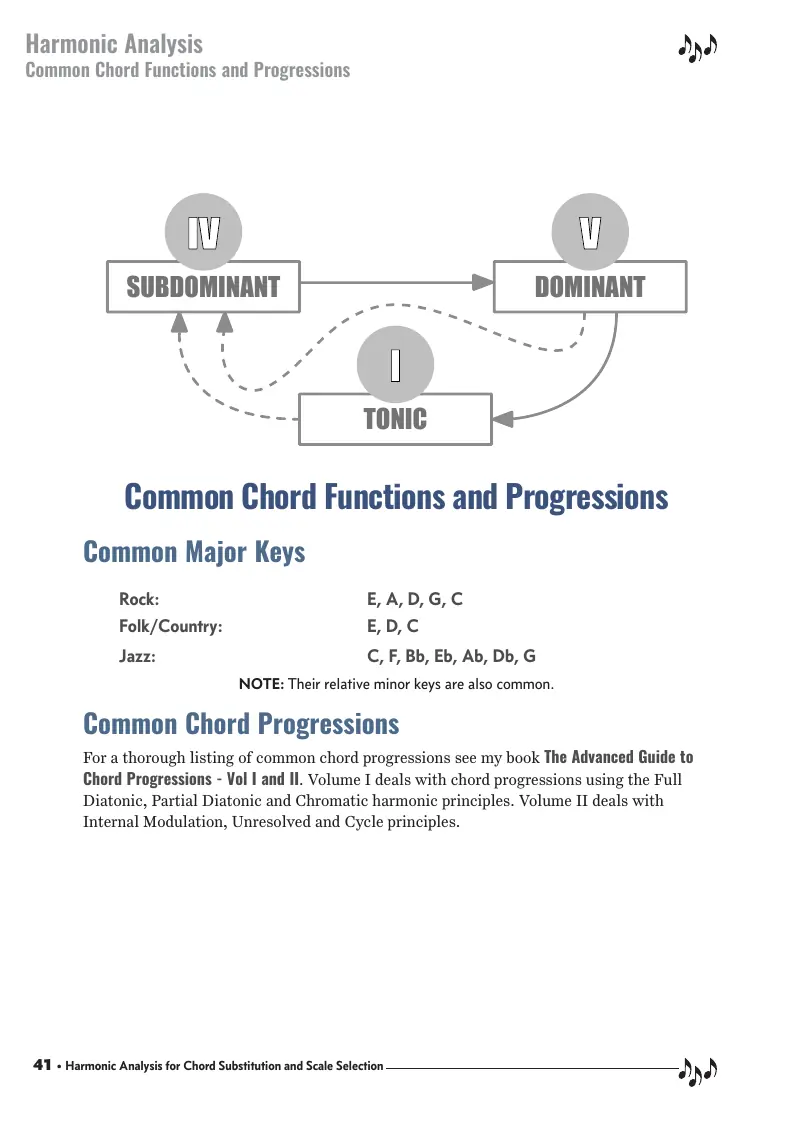
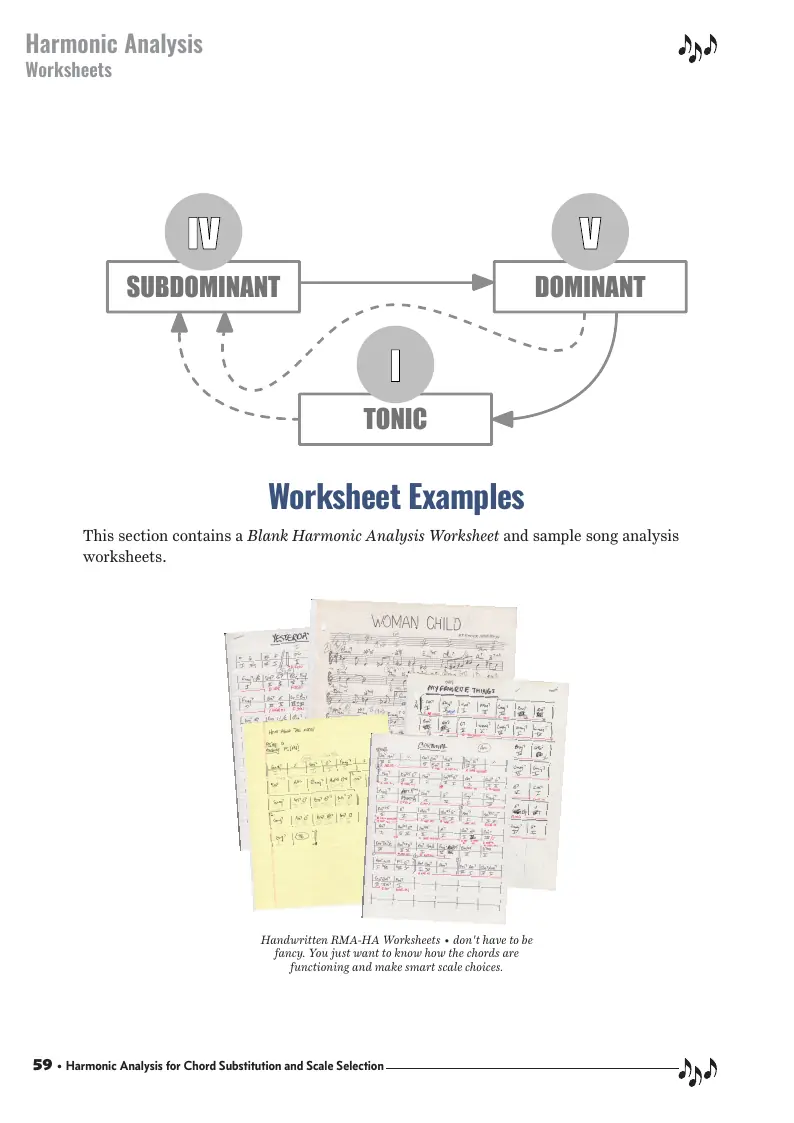
Harmonic Analysis - Worksheet and Examples
Harmonic Analysis is the understanding of the functional sequence of chords. It is the process used to analyze the harmonic structure of a progression, song or composition. This analysis is then used to make scale selections for improvisation and chord substitution. This lesson contains a blank worksheet and several completed examples using standards from the jazz repertoire.
I Ain't Got Nobody (And Nobody Cares For Me)
"I Ain't Got Nobody" (sometimes referred to as "I'm So Sad and Lonely" or "I Ain't Got Nobody Much") is a popular song and copyrighted in 1915. It was first recorded by Marion Harris, and became a perennial standard, recorded many times over the following generations, in styles ranging from pop to jazz to country music.
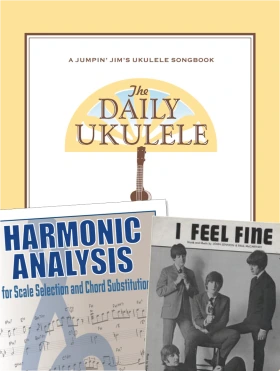
I Feel Fine
"I Feel Fine" is a song by the English rock band the Beatles that was released in November 1964 as the A-side of their eighth single. It was written by John Lennon and credited to the Lennon–McCartney partnership. The recording includes one of the earliest uses of guitar feedback in popular music.
I'll Fly Away
"I'll Fly Away"(Roud 18437) is a hymn written between 1929 and 1932 by Albert E. Brumley and published in 1932 by the Hartford Music Company in a collection titled Wonderful Message. Albert took three years to write the song after getting the idea while picking cotton in 1928. Over the years multiple derivative versions have been created and will be licensed for decades to come. Brumley's writing was influenced by the 1924 secular ballad "The Prisoner's Song".
I'll Follow The Sun
"I'll Follow the Sun" is a song by the English rock band the Beatles. It is a ballad written and sung by Paul McCartney and credited to Lennon–McCartney. It was released in 1964 on the Beatles for Sale album in the United Kingdom and on Beatles '65 in the United States. The band played the song on the BBC radio programm Top Gear, and the track was released on On Air – Live at the BBC Volume 2 in 2013.
If I Had A Hammer (The Hammer Song)
"If I Had a Hammer (The Hammer Song)" is a protest song written by Pete Seeger and Lee Hays. It was written in 1949 in support of the Progressive movement, and was first recorded by the Weavers, a folk music quartet composed of Seeger, Hays, Ronnie Gilbert, and Fred Hellerman.
Imagine
A song by John Lennon from his 1971 album of the same name. The best-selling single of his solo career, the lyrics encourage listeners to imagine a world of peace, beginning with living without religion and its concepts, without economic materialism, and without borders separating nations. Shortly before his death, Lennon said that much of the song's lyrics and content came from his wife, Yoko Ono, and in 2017, she received a co-writing credit.