
Published:
2013-03-22
Updated:
2017-11-18
Learning Ukulele with Curt
Rhythm and Strums Level II Rhythmic Pairs - Lesson Three
Level II Rhythmic Syllables 4 of 6 from the Modular Phonetic Rhythm, The Foundation and Workbook 1 book.
Author(s): Curt Sheller, Chuck Anderson Publisher: Curt Sheller Publications, Anderson Music Publications Code: UL126-MPR-L2-4-of-6
Main Category: Rhythm Main Instrument: Any
Categories: Chords, Rhythm, Strums

2026-08-23
RelatedLessonAssets
Show Series Lessons
Series Home

Number of Pages: 0
If you're a registered site member and have the correct permissions you can view ALL the pages of this PDF at a larger size using the LearningUkulele.com Online PDF Viewer (button below).
Download PDFThis Download is NOT part of your LearningUkulele.com & Learning Ukulele with Curt membership level.
Sign-up for Premium Site Access or Upgrade Your Plan to download this PDF or your can purchase a copy for download
Sign In for Access…Contact Us if there are any issues.
Level II Rhythmic Syllables 4 of 6 from the Modular Phonetic Rhythm, The Foundation and Workbook 1 book.
Rhythm is inseparably linked to strums and can't really repeat that often enough!
Strumming requires a specific set of skills when applied to chords. They are:
- Memorization of chords
- The ability to switch chords smoothly and
- The ability to choose and execute a suitable rhythmic strum. This is where these series of lessons will help.
- Using the Chuck Anderson's Modular Phonetic Rhythm System this series of lessons explore all possible two beat rhythmic syllables.
Using the Chuck Anderson's Modular Phonetic Rhythm System this series of lessons explore all possible two beat rhythmic syllables.


End of Lesson - Thanks, Hope You Enjoyed It!
Related Lessons, Videos, Lesson Series, Songs, Books & Reference Charts, Resources & Assets, Workshops are below.
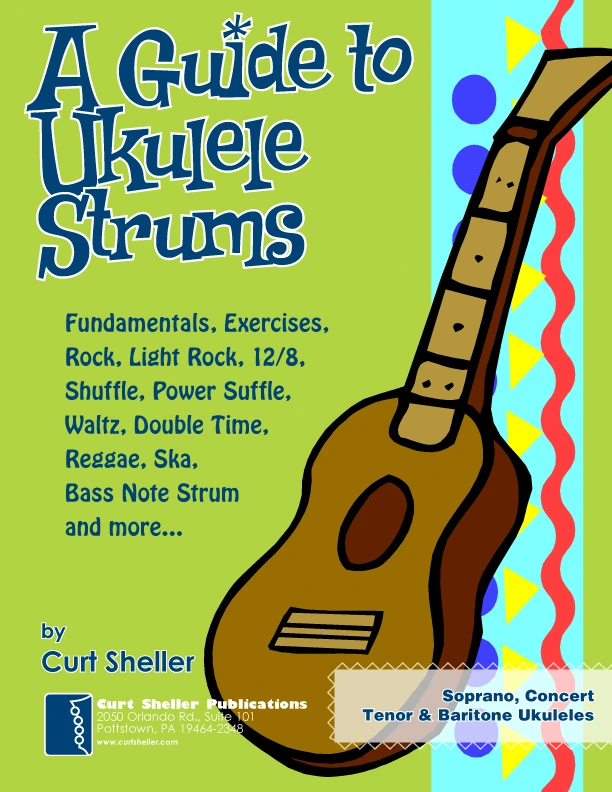
A Guide to Ukulele Strums
Learn a variety of strums and rhythmic patterns in wide range of musical styles. One of the first skills a ukulele player learns is the art and craft of strumming, playing rhythm. This refers to an accompaniment technique suitable for the singer, singer - songwriter or someone who plays a support role for another instrument.
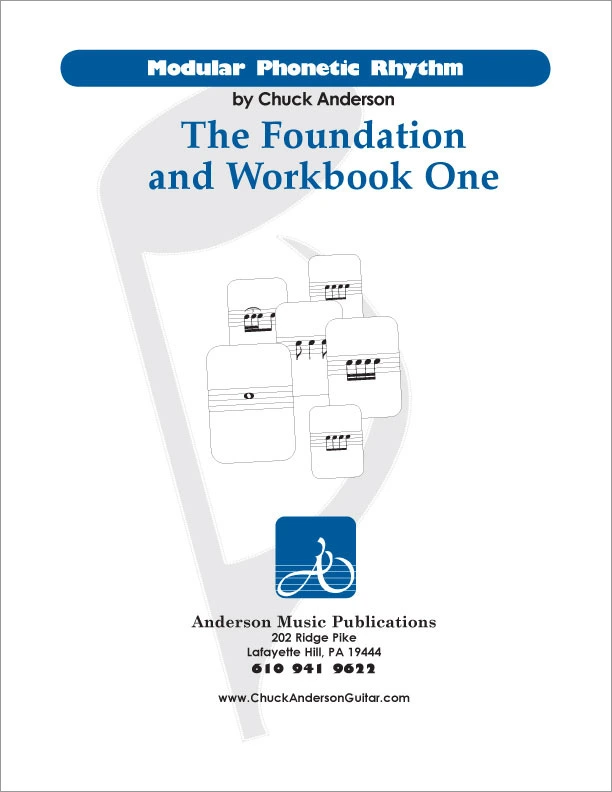
Modular Phonetic Rhythm, The Foundation and Workbook 1
Modular Phonetic Rhythm represents a significant advance in the teaching and application of rhythm. Eliminating many inefficient aspects of rhythm education, Modular Phonetic Rhythm streamlines the traditional educational approach, resulting in a reflexive reaction to rhythm.
Related Related Series
Related Related Series for Rhythm and Strums Level II Rhythmic Pairs - Lesson Three


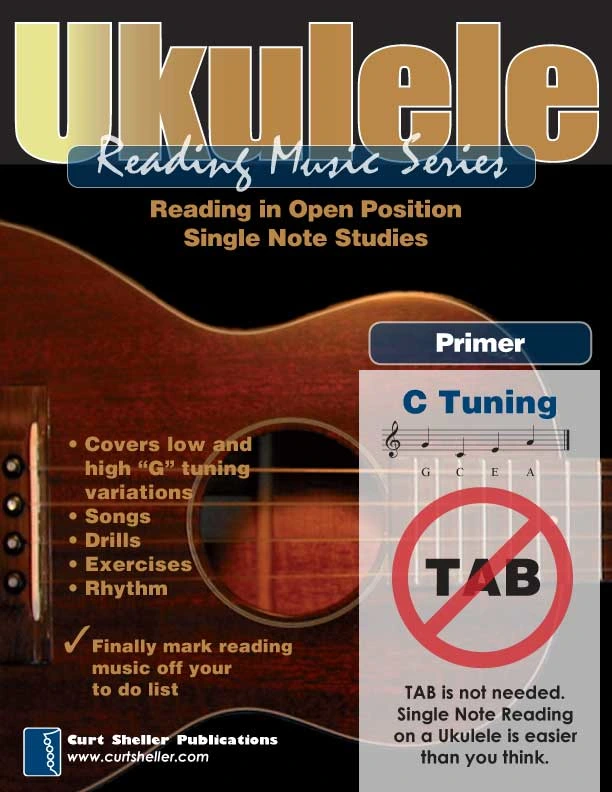
Reading Music on Ukulele - Primer
In the realm of music, there are certain aspects that students and players often tend to avoid. These include skills such as learning to read music and familiarizing themselves with the notes on their instrument. While these tasks may seem challenging, particularly on the fretted string instruments, they are comparatively easier on the ukulele. With the appropriate guidance and a well-defined plan, mastering these skills can be a smooth and achievable process.

Reading for Ukulele - The Next Steps
Reading can be thought of on many different levels. 1) the ability to slowly and painfully work out the written music. 2) the ability to hear the music by looking at the notation. 3) the ability to notate your ideas in standard music notation. 4) the ability to read music as you read a book or an article. 5) the ability to communicate with other musicians in the written language of music. 6) the ability to learn songs that you have never heard.

Rhythm, Avoid at Your Own Peril
The often neglected and taken for granted subject of "Rhythm". Music is Melody, Harmony, and "Rhythm." We are drawn, initially to music by melody at a very early age, with the instrument of our voice. With ukulele you typically learn chords - the harmony and never really dive into learning rhythm. Unless you're a drummer we take rhythm for granted.